
You face many challenges in hot-dip galvanizing plants, but automatic transfer units can help you overcome bottlenecks quickly. Automation gives you real-time monitoring and precise control, which leads to a more reliable coating and less human error. Modern systems track zinc use and manage kettles automatically, increasing efficiency while reducing waste. When you use advanced transfer units, you create a smoother workflow and improve product quality.
Key Takeaways
- Automatic transfer units streamline material movement, reducing delays and improving safety in galvanizing plants.
- Automation minimizes human error, leading to more consistent product quality and higher output.
- These systems synchronize process stages, ensuring a balanced workflow and preventing bottlenecks.
- Investing in automatic transfer units boosts productivity, enhances safety, and saves energy, making operations more efficient.
- Regular maintenance of automatic transfer units is essential for smooth operation and to avoid costly breakdowns.
Common Bottlenecks in Galvanizing Plants

Manual Handling Delays
You may notice that manual handling slows down your production line. Workers must move heavy steel parts from one stage to another. This process takes time and can cause injuries. When you rely on people for every transfer, you risk delays if someone is absent or tired. You also see more mistakes, such as dropped materials or incorrect placement. These problems can stop your workflow and reduce your output.
Process Transfer Inefficiencies
You face more challenges when your process transfers are not efficient. Poor preparation and rough transportation can damage your products. You might see visual defects on galvanized items. These defects can include uneven coatings or scratches. Such problems lower the quality and consistency of your finished goods. If you do not fix these issues, your customers may lose trust in your products.
- Visual defects in galvanized products often result from process transfer inefficiencies.
- Poor preparation and incorrect galvanizing techniques can make these defects worse.
- Rough handling during transportation can also harm the zinc coating.
- These defects reduce the protective qualities of the coating and affect both quality and consistency.
Workflow Imbalances
You may find that some parts of your plant move faster than others. This imbalance creates bottlenecks. For example, if the heating stage works quickly but the cooling stage is slow, materials pile up. You waste time waiting for the next step. This problem can lead to idle machines and frustrated workers. Automatic transfer units help you balance your workflow by moving materials at the right speed and time. You keep your production line steady and efficient.
Solving Bottlenecks with Automatic Transfer Units
Streamlined Material Movement
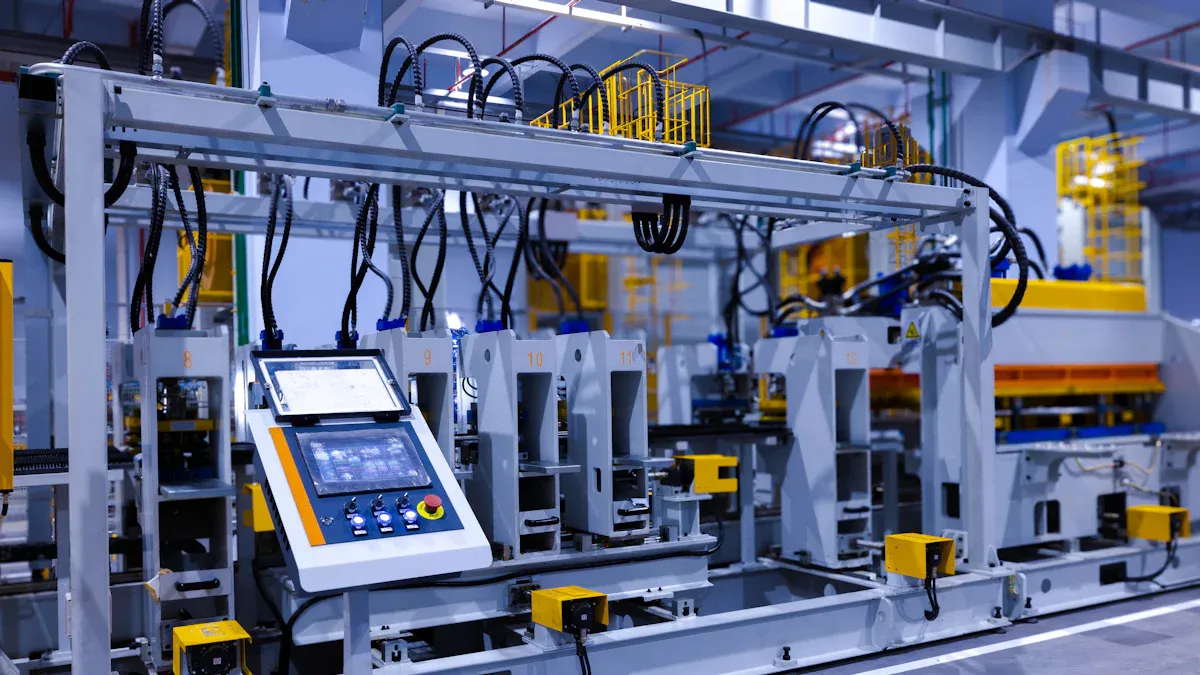
You can move materials faster and more safely when you use automatic transfer units in your galvanizing plant. These units take over the job of moving steel parts between heating furnaces, galvanizing baths, and cooling stations. You do not need to rely on workers to lift or carry heavy items. Instead, the system uses conveyor belts, rollers, and sensors to guide each piece through every stage.
- The transfer units start and stop automatically.
- They adjust speed to match the needs of each process.
- Sensors and control systems ensure every item moves to the right place at the right time.
- You see fewer delays and less risk of damage to your products.
Bonan Tech Ltd’s fully automatic transfer units help you keep your production line moving smoothly. You can trust the system to handle materials with care, which leads to better product quality and higher output.
Reducing Human Error
Manual handling often leads to mistakes. Workers can drop items, place them incorrectly, or miss a step. When you switch to automatic transfer units, you reduce these risks. The system follows programmed instructions and does not get tired or distracted.
Tip: Reducing manual intervention means fewer errors and a more stable process.
Here is how automatic transfer units improve process stability:
- They automate the transfer of materials, so you do not need as many workers for these tasks.
- Less human involvement means fewer chances for mistakes.
- Consistent handling leads to better quality and more products made each day.
You gain confidence in your process because the system works the same way every time. This stability helps you meet customer demands and keep your plant running efficiently.
Synchronizing Process Stages
Keeping each stage of your plant in sync is important. If one part moves too fast or too slow, you get bottlenecks. Automatic transfer units help you avoid this problem by linking every step together. The system uses real-time data to match the speed and timing of each process.
Below is a table that shows how automatic transfer units compare to manual systems when it comes to synchronization:
| Feature | Automatic Transfer Units | Manual Systems |
|---|---|---|
| Data Exchange | Automated, real-time synchronization | Manual input, prone to errors |
| Efficiency | High, reduces manual processes | Low, time-consuming |
| Collaboration | Seamless integration across departments | Limited, often siloed |
| Error Reduction | Significant, minimizes human error | High, due to manual data entry |
| Flexibility | Tailored integration options for unique needs | Rigid, often requires extensive changes |
| Time-to-Market | Faster due to streamlined processes | Slower, due to delays in data handling |
You can see that automatic transfer units make your plant more efficient and flexible. They help you deliver products faster and with fewer mistakes.
Another table shows how different components work together to boost throughput:
| Component | Function | Impact on Throughput |
|---|---|---|
| LineLink Systems | Automates product and data transfer between processing stages | Reduces delays and errors, enhancing efficiency |
| ATC System | Synchronizes line speeds electronically | Maintains consistent throughput across processes |
| Mechanical Techniques | Sets transfer timing mechanically | Ensures reliable operation at high capacity |
| Active Tension Control | Monitors and adjusts forces across the system | Compensates for variations, ensuring smooth operation |
When you use automatic transfer units, you keep every part of your plant working together. This teamwork means you can make more products in less time and keep your customers happy.
Key Benefits of Automatic Transfer Units
Higher Throughput and Productivity
You can boost your plant’s output when you use automatic transfer units. These systems move materials quickly between heating, galvanizing, and cooling stages. You do not need to wait for workers to carry heavy items. The machines handle more material in less time, which means you finish jobs faster.
Here is a table that shows how these units help you reduce production cycle times:
| Benefit | Description |
|---|---|
| Reduction in Labor | Automated transfer equipment lowers the need for manual labor, making your process more efficient. |
| Improved Safety | Automation keeps workers away from dangerous materials, creating a safer workplace. |
| Enhanced Accuracy | Automation gives you precise control, so you get higher quality products. |
| Increased Production Capacity | Faster material handling lets you process more items, raising your total output. |
You can see that automatic transfer units help you get more done with less effort.
Enhanced Safety and Consistency
You improve safety in your plant when you use automation. Workers do not need to handle hot or heavy materials as often. This change lowers the risk of accidents and injuries. You also get more consistent results because machines follow the same steps every time.
- Automation reduces worker exposure to hazardous environments.
- Automated dipping systems and remote-controlled cranes keep workers safe.
- Conveyorized handling systems make your process both efficient and safe.
You can trust the system to deliver steady quality and protect your team.
Energy Efficiency and Cost Savings
You save energy and money when you use automatic transfer units. These systems can connect to waste heat recovery setups. This means you can reuse heat from the galvanizing process, which lowers your energy bills. The units also include advanced cooling features, such as air and water cooling. These features help you control the temperature of steel pipes, which improves product quality.
You also cut costs by reducing downtime and using real-time monitoring. The system alerts you to problems right away, so you can fix them quickly. You spend less on repairs and keep your plant running smoothly.
Tip: When you invest in automation, you create a safer, more efficient, and more profitable operation.
You can solve key bottlenecks in your galvanizing plant with automatic transfer units. These systems boost efficiency, improve safety, and save energy. To find automation opportunities, use industry benchmarks:
| Phase | Description |
|---|---|
| Site Segmentation | Group sites with similar traits to see automation impact. |
| Data Analysis | Gather data to understand your operations. |
| Warehousing Opportunity Impact Assessment | Compare warehousing with industry peers for improvements. |
| Automation Impact Assessment | Rank automation investments by impact and complexity. |
You will see more plants use advanced automation in the future. This trend will help you reach higher productivity and better results.
FAQ

What is an automatic transfer unit in a galvanizing plant?
An automatic transfer unit moves steel parts between heating, galvanizing, and cooling stages. You do not need to move items by hand. The system uses conveyor belts, rollers, and sensors for smooth and safe operation.
How do automatic transfer units improve safety?
You keep workers away from hot and heavy materials. Machines handle dangerous tasks. This reduces the risk of injuries and accidents in your plant.
Can you save energy with automatic transfer units?
Yes! You can connect these units to waste heat recovery systems. This lets you reuse heat from the process. You lower your energy bills and help the environment.
What maintenance do automatic transfer units require?
You should check conveyor belts, rollers, and sensors often. Clean the system and follow the manufacturer’s guidelines. Regular checks help you avoid breakdowns and keep your plant running smoothly.
Post time: Dec-29-2025