
You see major changes in galvanizing operations because of automatic transfer units. Automation and digital monitoring now boost efficiency and product quality. AI helps you streamline your workflow and cut costs. You gain better reliability with predictive maintenance and real-time process control. Sensor integration, advanced cooling, and waste heat recovery help you meet strict quality and environmental standards. These features give you practical tools to solve daily challenges.
Key Takeaways
- Automatic transfer units enhance safety by reducing manual handling of heavy and hot materials, leading to fewer workplace injuries.
- These systems improve efficiency by automating material movement, which minimizes delays and errors in the production process.
- Using automatic transfer units helps maintain high product quality by ensuring consistent coating thickness and reducing defects.
- Energy savings are achieved through waste heat recovery, which lowers costs and supports environmental sustainability.
- Upgrading to automatic transfer units positions your galvanizing operations for growth, allowing you to meet more orders and improve overall productivity.
Galvanizing Challenges in 2026
Manual Handling Issues
You face many risks when you handle materials by hand in galvanizing plants. Workers often deal with chemicals, hot surfaces, and heavy equipment. These tasks can lead to injuries and slow down production. The table below shows the main manual handling issues you might encounter:
| Manual Handling Issue | Description |
|---|---|
| Chemical Exposure | You work with chemicals like hydrochloric acid, which can cause health problems. |
| Heat-Related Hazards | Handling molten zinc can lead to burns and heat stress. |
| Heavy Machinery Operation | Operating cranes and hoists without care can cause injuries. |
| Falls and Slips | Wet surfaces near tanks increase the risk of falling. |
| Ergonomics and Manual Handling | Lifting heavy items the wrong way can hurt your muscles and joints. |
Manual handling does not just affect safety. It also slows down your workflow. Mistakes, such as dropping materials, can stop production and lower output. You may also see more visual defects in galvanized products when workers move items by hand.
Process Delays
You often see delays in galvanizing operations. These delays can come from equipment maintenance, coating thickness problems, or the need for regular inspections. The table below lists common causes of process delays:
| Cause of Delay | Explanation |
|---|---|
| Equipment Maintenance Issues | Machines need cleaning and repairs to keep running smoothly. |
| Variations in Coating Thickness | Uneven coatings require adjustments, which take time. |
| Need for Regular Inspections | You must check equipment often to catch problems early. |
| Lack of Skilled Workforce | Not enough trained workers can slow down problem-solving. |
| Predictive Maintenance Techniques | Using smart tools helps you find issues before they cause breakdowns. |
When you rely on manual processes, these delays become more common. Production lines slow down, and you risk missing deadlines.
Quality Control Concerns
You want every galvanized product to meet high standards. However, you may face several quality control concerns:
- Inconsistent coating thickness can reduce corrosion resistance.
- Surface defects like dross or scale can appear if you do not prepare surfaces well.
- Zinc dross can lower coating quality and process efficiency.
- Poor adhesion may cause the coating to peel or flake.
- Uneven coating appearance can result from changes in application or cooling.
- Equipment failures can stop production and hurt quality.
- Environmental and safety issues can arise from emissions and hazardous materials.
You need strong post-dip handling and final inspections to keep quality high. Many plants now look for solutions like automatic transfer units to reduce these challenges and improve results.
Solving Challenges with Automatic Transfer Units
Material Handling with Automatic Transfer Units
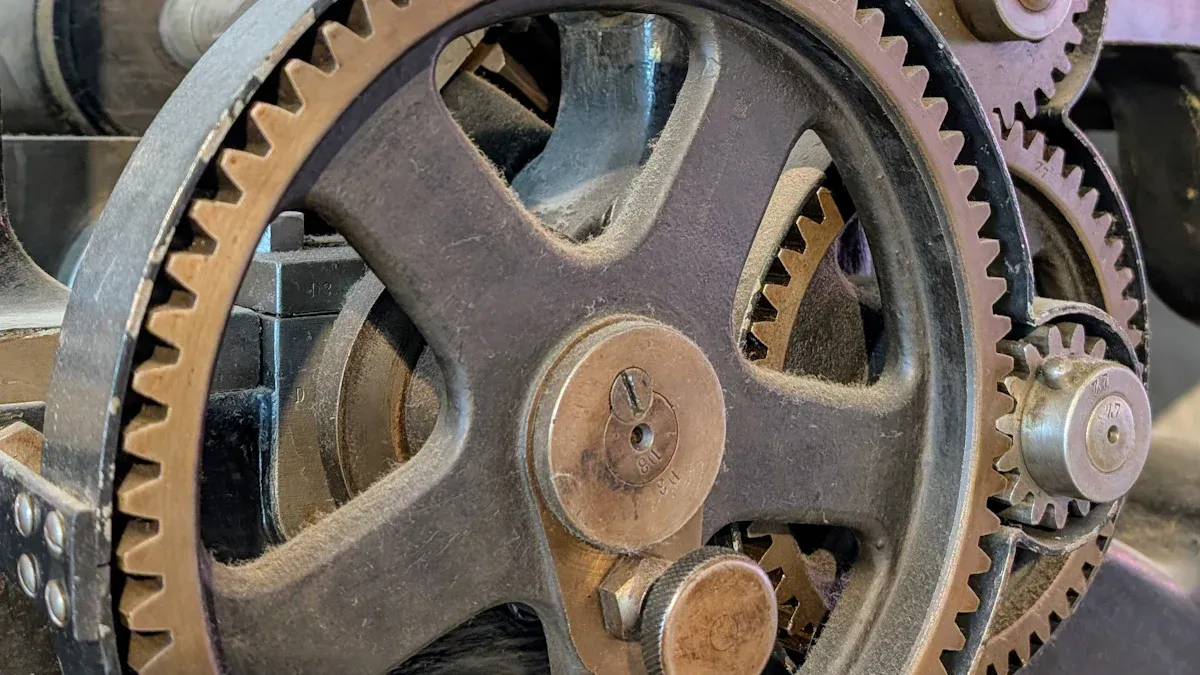
You can transform your galvanizing plant by using automatic transfer units. These systems move steel parts between heating, dipping, and cooling stages without the need for workers to lift or carry heavy items. You see conveyor belts and rollers guide materials smoothly from one process to the next. Sensors help the units start, stop, and adjust speed at the right moments. This means you do not have to worry about workers getting hurt by hot surfaces or chemicals.
- You reduce the risk of accidents because workers do not handle hot or heavy materials.
- You see fewer delays since materials move quickly and safely.
- You get a balanced workflow because the system synchronizes each stage of production.
Automatic transfer units also connect with waste heat recovery systems. You can reuse heat from the process, which lowers your energy costs and helps the environment. With these units, you rely less on manual labor and more on smart machines that keep your plant running smoothly.
Reducing Delays and Errors
You want your production line to run without stops or mistakes. Automatic transfer units help you reach this goal. The units use advanced sensors and control systems to monitor every step. If something goes wrong, the system reacts right away. For example, if a part is not in the right place, the sensors adjust the movement or stop the line until the problem is fixed.
Tip: You can trust these systems to catch errors early, which saves you time and money.
When you use automatic transfer units, you see fewer errors and less downtime. In other industries, software tools like these have cut errors almost in half and saved hundreds of hours each year. You do not need to rely on workers to spot every problem. The system learns and improves, adapting to changes in your workflow. This means you avoid bottlenecks and keep your production moving.
Enhancing Quality and Consistency
You want every galvanized product to meet high standards. Automatic transfer units help you achieve this by keeping the process stable and controlled. The units use cooling boxes and air or water cooling systems to make sure steel parts cool at the right rate. This prevents defects like uneven coatings or surface cracks.
| System Type | Function |
|---|---|
| Cooling Tower | Cools hot water to keep temperatures safe and steady. |
| Gas-Liquid Heating System | Uses waste heat to heat water, giving you precise temperature control. |
| Tank Heating System | Melts zinc and keeps it at the right temperature for coating. |
| Heat Exchanger | Removes extra heat to keep the process efficient and stable. |
You also benefit from waste heat recovery. The system captures heat from the galvanizing process and uses it to save energy. This not only lowers your costs but also helps you meet environmental goals. With automatic transfer units, you get products with consistent coating thickness and fewer defects. You can trust the process to deliver high quality every time.
Benefits of Automatic Transfer Units
Efficiency and Productivity Gains
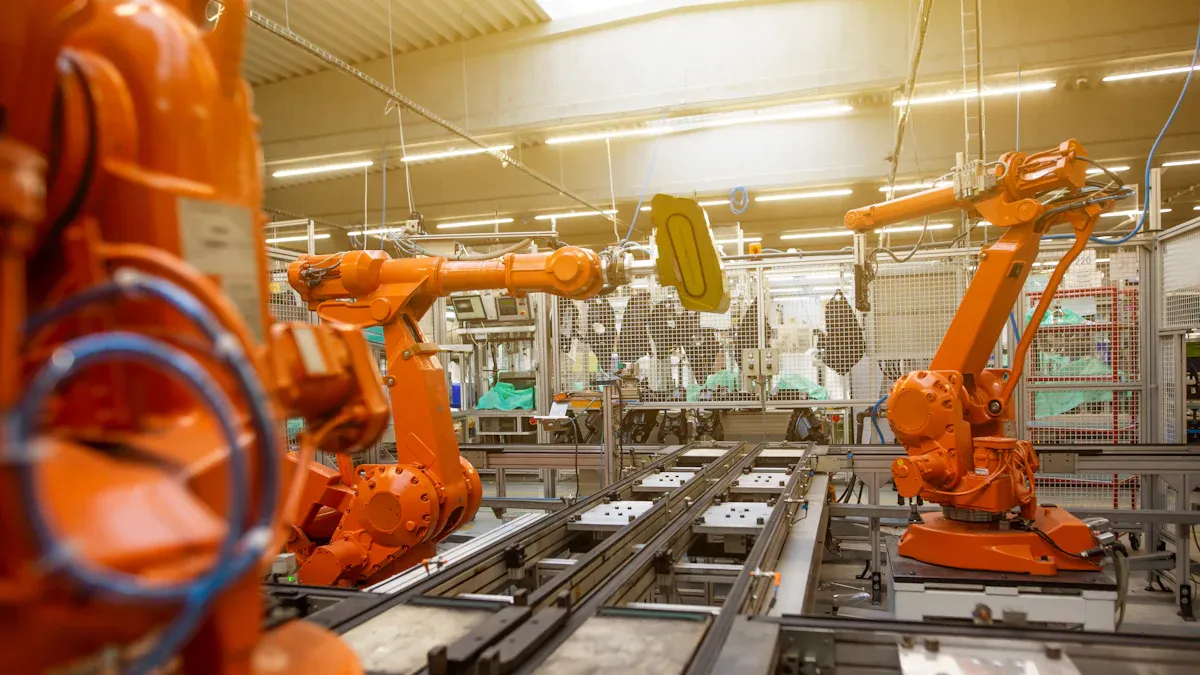
You can boost your plant’s output with automatic transfer units. These systems move materials quickly and accurately between each stage. You do not need to stop production for manual checks or adjustments. Touch-screen controls let you monitor and adjust the process in real time. You see fewer errors and less downtime. Your team spends less time fixing problems and more time producing quality products. Increased throughput means you can meet more orders and grow your business.
Safety Improvements
You want a safe workplace for your team. Automatic transfer units help you reach this goal by reducing manual lifting and handling. Motorized work positioners handle heavy loads, so your workers avoid strain and fatigue. This leads to fewer injuries and a happier workforce. You also get advanced safety features that protect your team:
| Safety Feature | Description |
|---|---|
| Locking Arrangement | Holds the spreader securely before lowering materials. |
| Synchronized Hoist Operation | Keeps lifting and lowering level and safe. |
| Double Chain Lead-offs | Adds backup support if one chain fails. |
| Secondary Safety Features | Uses a double brake system for extra reliability. |
| Compliance with Regulations | Meets strict safety standards for safe operation. |
Note: A safer environment means lower costs from workplace injuries and less downtime.
Energy Savings and Sustainability
You can lower your energy use and help the environment with automatic transfer units. These units automate material movement, which cuts down on wasted energy and reduces errors. Bonan Tech Ltd’s customizable waste heat recovery system captures and reuses heat from the process. You save money and reduce your carbon footprint. Touch-screen controls make it easy to manage energy-saving features. By using less energy and creating less waste, you support a greener future for your business and your community.
You see how automatic transfer units change your galvanizing operations. These systems help you boost product quality, extend shelf life, and improve consumer appeal. You also gain better protection and performance for your products. Bonan Tech Ltd’s advanced units give you reliable automation, energy savings, and safer workplaces. Now is the time to upgrade your plant. Choose smart solutions that keep you ahead in the industry.
Post time: Feb-24-2026