
You need to match your hot-dip galvanizing production line to your business’s exact needs. Many companies make mistakes by using poor welding practices or ignoring the chemical composition of steel, which leads to brittle coatings. Others fail to control temperature, causing uneven coating thickness. Product designs that do not consider galvanizing can trap air or create rough surfaces. Consider production capacity, technology, customization, compliance, and after-sales support before starting the sale of hot-dip galvanizing production line process. A careful approach helps you avoid costly errors.
Key Takeaways
- Identify your production needs by understanding the types of products you will galvanize. Match your production line to your product specifications for optimal results.
- Consider capacity and scalability when selecting a production line. Choose a line that can grow with your business to save time and money in the future.
- Ensure your facility meets the requirements for a hot-dip galvanizing production line. Plan for space, utilities, and safety features to support smooth operations.
- Select a supplier based on their reputation and after-sales support. A reliable supplier will help you avoid costly issues and ensure your production line runs efficiently.
- Focus on safety and environmental compliance. Choose equipment that meets safety standards to protect your workers and maintain your business’s reputation.
Define Production Needs
Product Types and Specifications
You need to start by identifying the types of products you plan to galvanize. Hot-dip galvanizing production lines handle many product types in the global market. These include:
- General Galvanizing
- Continuous Galvanizing
- Sheet Galvanizing
- Wire Galvanizing
- Batch Galvanizing
Each type serves different industries and product shapes. You should match your production line to the products you want to process. For example, sheet galvanizing works best for flat steel sheets, while wire galvanizing suits long, thin wires.
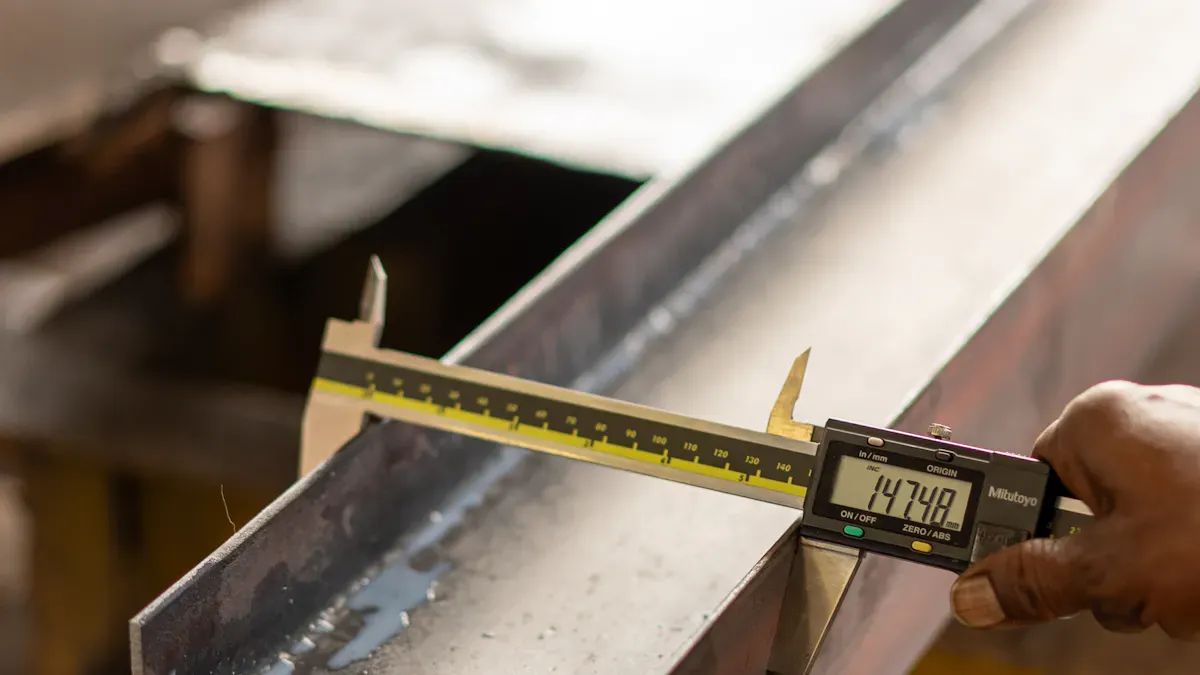
Product specifications also play a big role in your decision. You must consider the size, shape, and weight of your products. These factors affect which production line will work best for you. Here is a simple way to think about it:
- Production Needs: Know your company’s output goals. This helps you choose a line with the right capacity and flexibility.
- Product Compatibility: Check if the line can handle your product’s size, shape, and weight.
- Type Selection: Pick a line that matches your product type. For example, use centrifugal lines for small parts and hanging plating lines for large items.
Tip: Always review your product range before choosing a production line. This step helps you avoid costly mistakes later.
Capacity and Scalability
You should also think about how much you want to produce now and in the future. Capacity means how many products your line can handle in a given time. Scalability means how easily you can increase production as your business grows.
The scale of your operation affects your investment and how quickly you see returns. Here is a quick comparison:
| Scale of Operation | Initial Investment | Payback Period | ROI Timeframe |
|---|---|---|---|
| Small-scale facilities | Approx. $2 million | 18-24 months | 2-3 years |
| Large industrial plants | Approx. $2 million | 12-18 months | 2-3 years |
You should plan for growth. If you expect your business to expand, choose a production line that can scale up. This approach helps you save money and time in the long run.
Check Facility and Resources
Plant Space and Infrastructure
You need to make sure your facility can support a hot-dip galvanizing production line. The right building and utilities help your line run smoothly and safely. Most businesses need a large, strong building with special features. Here is a table that shows the most common requirements:
| Requirement | Details |
|---|---|
| Building Size | At least 40,000 to 50,000 square feet with high ceilings. |
| Building Type | Steel-framed buildings are recommended for durability against corrosive fumes. |
| Utilities | Heavy-duty electrical supply, high-pressure natural gas lines, and wastewater treatment facilities are essential. |
| Future Expansion | Design should allow for additional kettles and storage as output grows. |
| Space for Operations | Ample space for raw material storage, finished product storage, and truck access. |
You also need to install special equipment and systems to keep your plant safe and efficient:
- High-quality galvanizing kettles with temperature controls and automated zinc feeding systems.
- Heavy-duty handling equipment like cranes, hoists, and conveyors.
- Proper ventilation and emissions control systems, including industrial exhaust fans and filters.
Tip: Plan your layout so you can add more kettles or storage in the future. This helps your business grow without major changes.
Workforce Readiness
Your team must know how to operate the new equipment safely and efficiently. Training is key for smooth production and safety. You should make sure your workers can:
- Safely load and unload materials.
- Adjust machine settings for different materials.
- Troubleshoot common issues during production.
- Stay updated on safety protocols through ongoing training.
A well-trained workforce reduces mistakes and keeps your operation running. Regular training sessions help your team stay sharp and safe.
Review Equipment and Technology
Quality and Compliance Standards
You need to make sure your production line meets the highest quality and compliance standards. These standards help you produce strong, long-lasting galvanized products. When you follow these rules, you protect your business from costly mistakes and product failures.
Some of the most widely recognized standards for hot-dip galvanizing include:
- ASTM A123: Sets rules for coating thickness, surface preparation, and inspection.
- ASTM D6386: Focuses on preparing galvanized surfaces for painting.
- ASTM A780: Covers how to repair galvanized coatings.
- ASTM A385: Gives best practices for high-quality zinc coatings and prevents cracking.
- ISO 1461: Used outside North America, this standard covers requirements for galvanized coatings.
Note: Meeting these standards is not just about passing inspections. It also means your products will last longer and perform better in tough environments.
Here is how key requirements affect your product’s durability and performance:
| Requirement | Impact on Durability and Performance |
|---|---|
| Zinc Content | Gives strong protection against rust and corrosion. |
| Adhesion | Makes sure the coating sticks well, so it lasts longer. |
| Environmental Resistance | Shields products from moisture and sunlight, keeping them effective . |
Automation and Efficiency
Modern hot-dip galvanizing lines use advanced technology to boost efficiency and cut costs. Automation lets you coat steel at speeds over 100 meters per minute. This speed reduces production time and helps you meet large orders quickly.
Automated systems also lower your operating costs. You can save up to 30% on expenses compared to manual lines. Digital monitoring tools and predictive maintenance help you spot problems early. This means less downtime and better use of your resources.
- Automation increases your output without needing more workers.
- You can scale up production as your business grows.
- Predictive maintenance keeps your equipment running smoothly.
Tip: Investing in automation may cost more at first, but you will save money and time in the long run.
Customization and Flexibility
Every business has unique needs. Customization lets you adjust your production line to fit your products and market demands. You can choose options like production capacity, line speed, and zinc coating thickness.
| Customization Option | Details |
|---|---|
| Production Capacity | Up to 600,000 tons per year |
| Line Speed | Adjustable from 30 to 120 meters per minute |
| Zinc Coating Thickness | Ranges from 40 to 275 grams per square meter |
Flexibility in your equipment design helps you adapt quickly when the market changes. You can switch between different product types or sizes without major delays. This ability lets you respond faster to customer orders and keeps your business competitive.
- Flexible equipment allows you to change production paths as needed.
- You can improve product quality even when conditions are uncertain.
- Fast response times lead to higher customer satisfaction.
Remember: Customization and flexibility are key if you want to stay ahead in a changing market.
Evaluate Cost and Value
Investment and Operating Costs
You need to look closely at both the upfront investment and the ongoing costs of running a hot-dip galvanizing production line. The initial investment covers equipment, installation, and facility upgrades. You may also need to budget for staff training and safety systems. These costs can add up quickly, especially if you choose advanced automation or custom features.
Operating costs include energy, labor, maintenance, and raw materials like zinc. Automated lines often use less labor but may require more skilled workers. Energy costs can be high because the process needs heat and special ventilation. You should also plan for regular maintenance to keep your equipment running smoothly.
Here is a simple table to help you compare typical costs:
| Cost Type | Typical Range (USD) |
|---|---|
| Equipment | $1,000,000 – $5,000,000 |
| Installation | $200,000 – $800,000 |
| Staff Training | $20,000 – $50,000 |
| Annual Operation | $500,000 – $1,500,000 |
Tip: Always ask suppliers for a detailed cost breakdown. This helps you avoid hidden expenses.
Return on Investment
You want your investment to pay off as soon as possible. Most businesses in construction and automotive see a payback period between 18 to 24 months. Projects with capital investments over $5 million often recover costs within 2 years. This quick return makes hot-dip galvanizing lines attractive for many industries.
- Average payback period: 18–24 months
- Construction and automotive sectors often meet this timeline
- Projects over $5 million usually recover costs within 2 years
A short payback period means you start making profits sooner. You can reinvest these profits to grow your business or upgrade your equipment. Always calculate your expected return before making a final decision. This step helps you choose the best line for your budget and goals.
Remember: A careful cost and value analysis protects your business and supports long-term success.
Sale of Hot-dip Galvanizing Production Line & Supplier Selection
Choosing the right partner for the sale of hot-dip galvanizing production line can shape your business’s future. You need to look beyond just the price. Focus on the supplier’s reputation, the quality of their support, and their commitment to safety and the environment. This approach helps you avoid problems and ensures your production line runs smoothly for years.
Supplier Reputation and Support
You should always research suppliers before making a decision. A strong supplier gives you confidence during the sale of hot-dip galvanizing production line. Here are the most important criteria to consider:
- Experience and reputation in the industry.
- Quality of equipment and materials used.
- Technical support and after-sales services.
- Compliance with industry standards and regulations.
Ask for references from other customers. Check if the supplier has completed similar projects. Review their track record for delivering on time and providing reliable equipment. A supplier with a good reputation will help you avoid costly delays and technical issues.
Tip: Choose a supplier who offers clear communication and fast responses to your questions. This support makes the sale of hot-dip galvanizing production line much easier.
After-sales Service and Maintenance
After the sale of hot-dip galvanizing production line, you need strong after-sales service. Good support keeps your equipment running and protects your investment. Most leading suppliers offer these services:
- Installation and commissioning supervision. You get on-site help to set up and start your line.
- Operator training. Your staff learns how to use and maintain the equipment safely.
- Technical support. You can reach out for help with troubleshooting or questions.
- Spare parts supply. You have access to critical replacement parts when needed.
- Maintenance services. Some suppliers offer contracts for routine and preventive maintenance.
Regular maintenance prevents breakdowns and costly downtime. You keep your production schedule on track. Proper upkeep also ensures your products meet customer expectations. A proactive approach extends the life of your production line and keeps it efficient.
| Service Type | Benefit to Your Business |
|---|---|
| Installation Supervision | Smooth setup and fewer startup problems |
| Operator Training | Safer, more skilled workforce |
| Technical Support | Fast solutions to technical issues |
| Spare Parts Supply | Less downtime, quick repairs |
| Maintenance Services | Longer equipment life, better performance |
Note: Always ask about after-sales service before the sale of hot-dip galvanizing production line. Good support saves you money and stress over time.
Safety and Environmental Compliance
Safety and environmental rules matter in every sale of hot-dip galvanizing production line. You must choose equipment that meets strict safety standards. Look for features like emergency shut-off systems, proper ventilation, and clear safety labels. These features protect your workers and reduce the risk of accidents.
Environmental compliance is just as important. Your production line should control emissions and manage waste safely. Suppliers who follow industry standards help you avoid fines and protect your company’s reputation. Make sure your supplier provides documentation that proves compliance with local and international regulations.
Remember: Safety and environmental compliance are not optional. They are key factors in every sale of hot-dip galvanizing production line. You protect your workers, your community, and your business by making the right choice.
Choosing the right supplier for the sale of hot-dip galvanizing production line takes time and research. Focus on reputation, after-sales support, and compliance. This careful approach helps your business succeed and grow.
You can select the best hot-dip galvanizing production line by following these steps:
- Choose protective gear and set up safe work areas.
- Hire skilled staff and maintain your equipment.
- Work with trusted suppliers and plan for long-term needs.
Always align your production line with your business goals. Consulting industry experts helps you design your plant, select equipment, and manage costs:
| Service Offered | Benefit |
|---|---|
| Plant design and layout | Fits your unique needs |
| Equipment selection | Boosts efficiency |
| Project management | Guides you from start to finish |
Focus on quality, technology, and flexibility to keep your business strong.
Post time: Mar-30-2026