
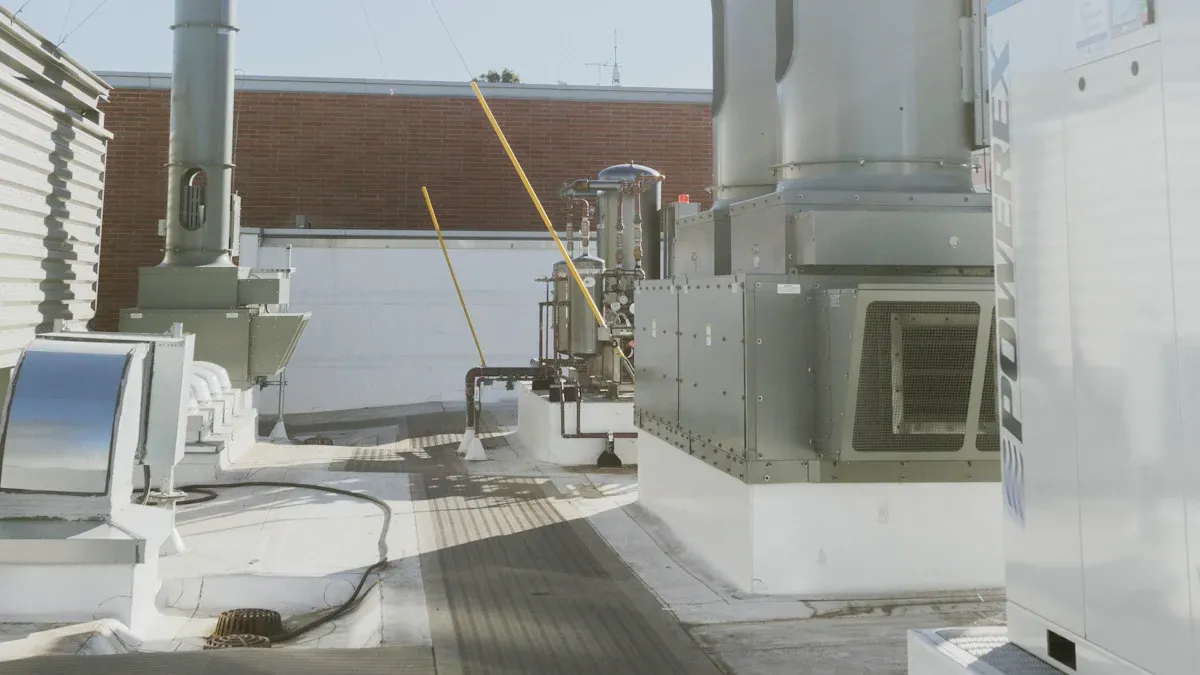
You face major air quality challenges in your industry. White fume enclosure systems give you a reliable way to capture and filter harmful fumes at the source. In 2026, stricter air regulations and a strong focus on worker safety demand better solutions. Industries like chemical plants, metal processing, welding, and galvanizing see the greatest impact from white fume emissions. You can take control of your workplace air and meet new standards with the right technology.
Key Takeaways
- White fume enclosure systems capture harmful fumes at the source, improving air quality and worker safety.
- Regular maintenance of filters and hoods is essential for optimal performance and cleaner air.
- Investing in these systems helps meet stricter air quality regulations and avoid potential fines.
- Cleaner air leads to fewer health complaints, boosting worker morale and productivity.
- Using advanced technology supports environmental goals by reducing emissions and promoting sustainability.
White Fume Enclosure System Overview
Core Components and Design
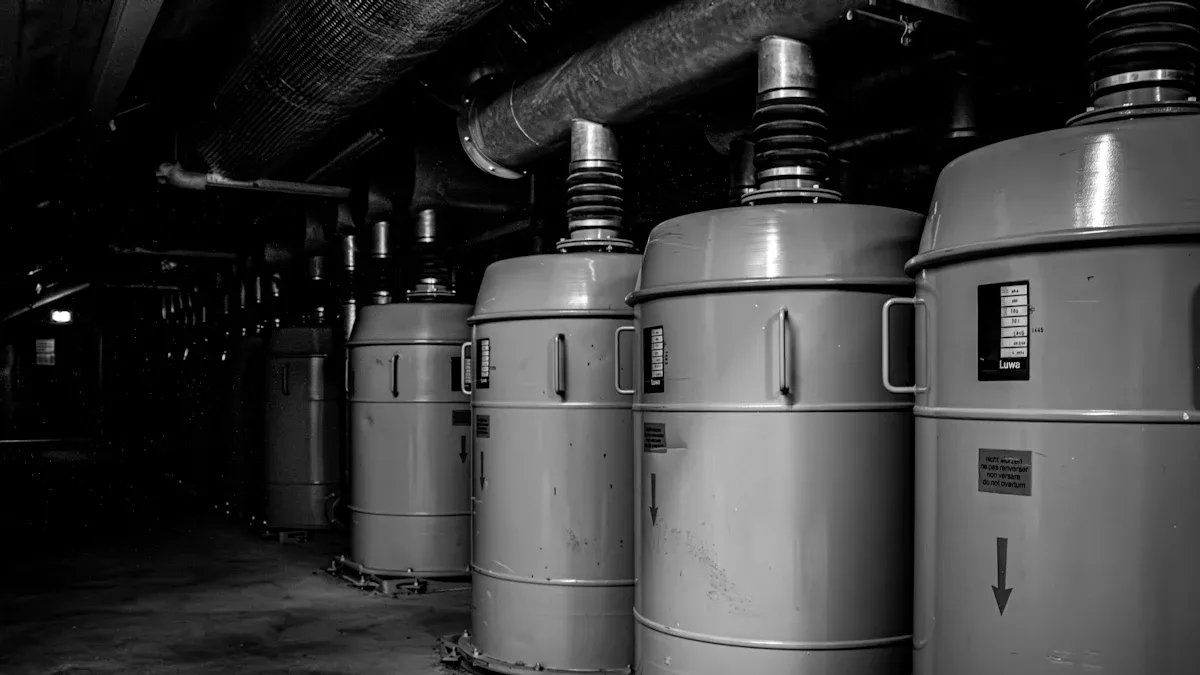
You need to understand the main parts of a white fume enclosure system to see how it protects your workplace. The system uses a closed enclosure to surround the equipment or process that creates white fumes. This design keeps harmful smoke from escaping into the air. You get better control over emissions compared to open systems.
Tip: A closed enclosure captures more fumes and dust, making your air cleaner and safer.
Here is a table showing the main components and their functions:
| Component | Function |
|---|---|
| Fume extraction hood | Pulls in fumes and dust from the source. |
| Dust suction hood | Collects dust and heavy particles before they spread. |
| Bag dust remover | Filters out fine particles using a large surface area. |
| Fan | Moves air through the system and keeps fumes from leaking out. |
| Exhaust funnel | Directs filtered air safely outside. |
| Sack filter | Traps solid particles and keeps them from entering the environment. |
| Exhaust chimney | Releases clean air after filtration. |
The closed enclosure works with these parts to give you a strong barrier against pollution. You can adjust the system to fit different machines or processes. This flexibility helps you meet your air quality goals.
How the System Works
You will see that the white fume enclosure system uses several steps to clean the air. First, the fume extraction hood pulls in smoke and dust right where they form. The dust suction hood and cyclone settle heavy ash particles. The system then uses a bag dust remover and sack filter to catch fine dust and solid particles.
Some systems use a zinc fume wet scrubber. This part uses water to wash out toxic particles before the air leaves the system. You can choose from different extraction methods, like lip type, fixed, or crane-mounted hoods, to match your process.
Here is a table that explains the technical process:
| Process Type | Description |
|---|---|
| Fume extraction hood | Collects fumes and dust at the source. |
| Dust collecting cyclone | Settles heavy ash particles. |
| Zinc fume wet scrubber | Uses water to absorb toxic particles before air release |
| Bag filter | Removes fine dust and solid particles. |
| Centrifugal fan | Moves large volumes of air through the system. |
| Exhaust chimney | Discharges clean, filtered air into the atmosphere. |
You can also use side suction with slots or end blowing methods. These options help you collect fumes from both sides or ends of a machine. The closed recycling hood connects to an external bag filter for even better dust removal.
The white fume enclosure system gives you high efficiency, easy maintenance, and reliable operation. You protect your workers and the environment by using this advanced technology.
Air Quality Benefits
Fume and Dust Containment
You need strong protection from harmful fumes and dust in your facility. The white fume enclosure system gives you this protection by trapping smoke and particles right at the source. The closed design surrounds your equipment and keeps dangerous emissions from spreading into the air you breathe. The system uses a combination of hoods, filters, and fans to pull in fumes and dust before they escape. You can see the difference in air clarity when you use this technology. Your workspace stays cleaner, and you reduce the risk of buildup on surfaces and machinery.
Tip: Regularly check the filters and hoods to keep your system working at its best.
Worker Safety and Health
You want to keep your team safe and healthy. White fume enclosure systems help you do this by lowering the amount of toxic fumes and dust in the air. When you reduce exposure to harmful substances, you protect your workers from breathing problems and long-term health issues. Clean air means fewer sick days and higher morale. Your team can focus on their work without worrying about invisible dangers. You also show that you care about their well-being, which builds trust and loyalty.
Here is a quick look at how these systems support worker health:
| Benefit | How It Helps Your Team |
|---|---|
| Lower exposure to toxins | Reduces risk of lung and skin issues |
| Cleaner air | Improves comfort and focus |
| Fewer health complaints | Boosts productivity and morale |
Environmental Impact
You play a key role in protecting the environment when you use a white fume enclosure system. These systems help you meet your sustainability goals in several ways:
- Energy-efficient fume hoods lower your facility’s energy use.
- You cut down on carbon emissions by capturing and filtering fumes before they reach the atmosphere.
- The system contains hazardous fumes, which keeps the air and surrounding area safer for everyone.
You also help your company meet strict environmental standards. Cleaner operations mean you avoid fines and show your commitment to responsible business practices. When you invest in this technology, you support a healthier planet for future generations.
Compliance in 2026

Meeting Air Quality Standards
You must keep up with changing air quality standards to protect your business and your team. In 2026, new rules set lower limits for particulate matter in the air. You see stricter targets for PM2.5, which means you need better control over fine dust and fumes. The table below shows how the standards have changed:
| Standard Type | Previous Value | New Value |
|---|---|---|
| PM2.5 Annual | 12.0 µg/m3 | 9.0 µg/m3 |
| PM2.5 24-hour | Existing | Retained |
| PM10 | Existing | Retained |
You can meet these standards by using a white fume enclosure system. This technology captures and filters harmful particles before they reach the air outside your facility. You get cleaner air and a safer workplace. You also show your commitment to following the law.
Regulatory Risks and Solutions
You face risks if you do not follow the new air quality rules. States that do not meet the new particulate matter standards by 2032 could face penalties. You might see fines, legal action, or limits on your operations. You can avoid these problems by using the right equipment and keeping it in good shape.
Here is how you can stay compliant:
| Evidence Type | Description |
|---|---|
| Compliance Standards | You need efficient fume extraction systems to meet air quality discharge limits. |
| Filtration Requirements | You should use HEPA and activated carbon filters to remove more harmful particles. |
| Certification and Maintenance | You must certify your system and follow a regular maintenance schedule, including filter changes. |
Note: You should keep records of your system’s performance and maintenance. This helps you prove compliance during inspections.
You protect your business and your workers when you follow these steps. You also help your community by keeping the air clean.
Implementation and Maintenance
Installation Best Practices
You want your white fume enclosure system to work at its best. Start with a strong design. Use continuous exterior insulation to keep humidity out. Make sure the air barrier covers all surfaces. This stops leaks and keeps the air clean. Keep the enclosure under negative pressure. This helps prevent condensation and improves air quality. Direct airflow over windows to reduce fogging. Always check the construction for changes to the air barrier. Test for airtightness to find and fix leaks.
Here are steps you should follow for installation:
- Plan the design early with insulation and air barriers.
- Install insulation with few gaps or holes.
- Seal all surfaces for a tight air barrier.
- Keep negative pressure inside the enclosure.
- Manage airflow to prevent condensation.
- Check construction quality and test for leaks.
Bonan Tech Ltd offers systems that meet these standards and help you get the most from your investment.
Filter Cleaning and Replacement
You need to keep your filters clean for the system to work well. Check the filters every day for alerts or alarms. Inspect the extraction devices and hoses each week. Look for blockages and dust every month. Have a skilled engineer check the system every year. Many systems use reusable filters. Heat-blowing and vibration features help keep filters clear of zinc smoke and dust. This makes maintenance easier and saves money.
Tip: Clean filters often to keep air quality high and extend the life of your system.
Monitoring Results
You can see real savings when you use a white fume enclosure system. Companies report lower costs for health and safety, personal protective equipment, and contamination control. You also improve product yield and meet regulations. The table below shows typical annual savings:
| Benefit Category | Typical Annual Value |
|---|---|
| Occupational Health & Safety | $50,000 – $250,000 |
| Reduced PPE Costs | $20,000 – $60,000 |
| Cross-Contamination Prevention | $100,000 – $500,000+ |
| Yield Improvement | $50,000 – $300,000 |
| Regulatory Compliance | $75,000 – $1,000,000+ |
Some companies reach payback in less than two years. You get a cleaner workplace and save money over time.
You gain many benefits when you use white fume enclosure systems in your facility:
- You protect workers by removing harmful odors and fumes.
- You keep equipment safe from damage.
- You create a cleaner, more comfortable workspace.
- You meet emission laws and avoid fines.
- You help the environment with no extra waste.
Proactive investment in these systems boosts air quality and keeps your business ready for future rules. To check your current setup, follow these steps:
| Step | Description |
|---|---|
| 1 | Set clear air quality goals for your workplace. |
| 2 | Use smart designs and the latest technology. |
| 3 | Improve working conditions all the time. |
If you want the best results, talk to experts about the right system for your needs.
FAQ
What industries benefit most from white fume enclosure systems?
You see the biggest benefits in chemical plants, metal processing, welding, and galvanizing. These industries often create harmful white fumes. Using an enclosure system helps you keep your air clean and your workers safe.
How often should you clean or replace the filters?
You should check filters daily and clean them as needed. Most systems use reusable filters. Replace filters if you see damage or reduced airflow. Regular maintenance keeps your system working well.
Can you install a white fume enclosure system on existing equipment?
Yes, you can add these systems to most existing machines. You may need to adjust the enclosure size or shape. A professional can help you design the best fit for your process.
What makes white fume enclosure systems cost-effective?
You save money by reusing filters and reducing health risks. The system lowers your need for personal protective equipment. You also avoid fines for air quality violations.
How do you know if your system meets air quality standards?
You should monitor air quality with sensors and keep records. Regular inspections and maintenance help you stay compliant. Ask your provider for certification and testing support.
Post time: Feb-03-2026