
Have you ever wondered how to keep steel pipes from rusting, even in harsh weather? Steel pipe hot-dip galvanizing equipment gives you a strong shield against rust. When you cover steel pipes with a zinc layer, you get powerful protection:
- The zinc blocks water, air, and dirt from touching the steel.
- If the coating gets scratched, the zinc reacts first and protects the steel underneath.
- The zinc can even seal small scratches by forming protective compounds.
Key Takeaways
- Hot-dip galvanizing protects steel pipes by applying a thick zinc layer that blocks rust and corrosion.
- The process involves cleaning, dipping in molten zinc, and cooling to ensure a strong bond and long-lasting protection.
- Galvanized pipes can last up to 50 years in dry conditions, making them a cost-effective choice for various applications.
- Regular inspections and quality control ensure that each pipe meets high standards for durability and performance.
- Using galvanized pipes helps reduce maintenance costs and supports environmental sustainability through recyclability.
What is hot-dip galvanizing?
Process overview
Hot-dip galvanizing is a method that protects steel pipes from rust and damage. You immerse steel or iron pipes in molten zinc. The zinc forms a strong, protective layer on the pipe. This layer keeps water, air, and dirt away from the steel. The process creates a thick, chemically bonded coating that lasts for many years. You can use steel pipe hot-dip galvanizing equipment to make sure the pipes get a uniform zinc layer.
You follow several steps to get the best results:
- Clean the steel pipe to remove oil and rust.
- Heat the pipe so the zinc sticks better.
- Dip the pipe in molten zinc to form the coating.
- Cool the pipe to harden the zinc layer.
- Inspect and package the finished pipes.
Each step helps the zinc bond tightly to the steel. The cleaning and heating steps make sure the pipe is ready for the zinc. The dipping step creates the protective layer. Cooling locks the zinc in place. Inspection checks for any problems before the pipes go out for use.
Tip: The zinc layer not only covers the pipe but also reacts with the steel, making the coating even stronger.
Why steel pipes need it
Steel pipes face tough conditions in many places. Rain, humidity, and pollution can cause rust and weaken the pipes. Hot-dip galvanizing stops these problems before they start. You get pipes that last longer and stay strong.
| Benefit | Description |
|---|---|
| Prevents Structural Failures | The zinc coating keeps the steel strong and safe, avoiding dangerous breaks or leaks. |
| Prevents Aesthetic Failures | Pipes look new for years, which helps your projects stay attractive and professional. |
| Saves Time & Money | You spend less on repairs and replacements, saving money and reducing waste. |
| Protection From Vandalism | Some finishes make it easier to clean graffiti, keeping pipes in public spaces protected. |
Steel pipe hot-dip galvanizing equipment gives you pipes that resist rust, look good, and save you money over time. You can trust galvanized pipes for outdoor, industrial, and high-traffic areas.
Steel pipe hot-dip galvanizing equipment
Main components
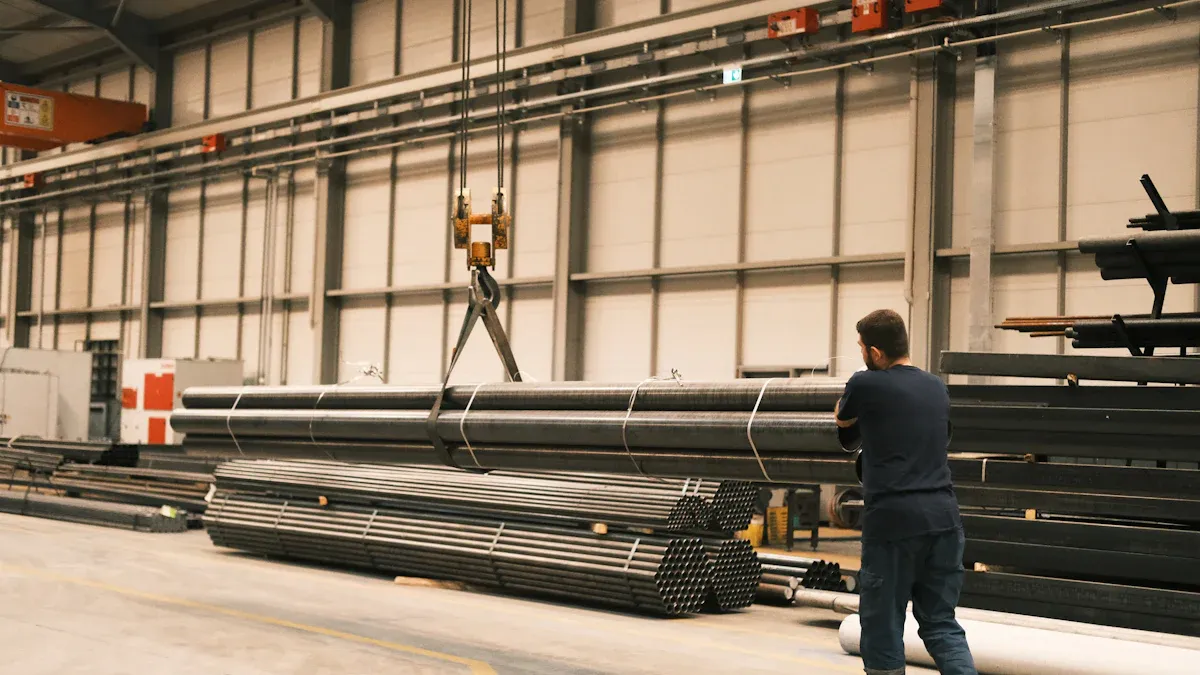
Steel pipe hot-dip galvanizing equipment uses several important parts to protect steel pipes. You see each part working together to create a strong zinc coating. The main components include:
- Cleaning units: These units remove dirt, oil, and rust from the steel pipes. You start with an acid degreasing bath or caustic solution to get rid of oil and grease. After rinsing, the pipes go through an acid treatment called pickling. This step uses hydrochloric or sulfuric acid to clean the surface. Another rinse follows, making sure the pipes are dry. The last cleaning step applies a flux, usually zinc ammonium chloride, which stops the steel from oxidizing and helps the zinc stick.
| Step | Description |
|---|---|
| 1 | Oil Removal: Immerse pipes in a degreasing bath or caustic solution to remove oil and grease. Rinse with water. |
| 2 | Surface Cleaning: Pickle pipes in dilute acid to clean the surface. |
| 3 | Rinsing: Rinse pipes to prepare for zinc coating. |
| 4 | Flux: Apply zinc ammonium chloride to prevent oxidation and help zinc adhere. |
- Zinc bath: This bath holds molten zinc at a temperature between 445°C and 455°C. You dip the cleaned pipes into the bath. The zinc reacts with the steel, forming several layers. These layers include the Zeta Layer (ζ) and the Eta Layer (η). The Zeta Layer contains mostly zinc and a small amount of iron. The Eta Layer is almost pure zinc. These layers make the coating strong and resistant to rust.
- Cooling station: After the pipes leave the zinc bath, you cool them quickly. Cooling hardens the zinc layer and stops further reactions. This step keeps the coating smooth and tough.
- Inspection station: You check the pipes for defects. Visual inspections help you spot surface problems. You measure the thickness of the zinc layer with a Magnetic Thickness Gauge. Adhesion tests, like the Tape Test, show how well the zinc sticks. Salt Spray Tests reveal if the pipes resist rust after exposure to saltwater.
Equipment function
Steel pipe hot-dip galvanizing equipment works by moving pipes through each station in order. You see the cleaning units prepare the steel for coating. The zinc bath creates a metallurgical bond between zinc and steel. This bond forms because zinc and iron react at high temperatures. The diffusion reaction builds zinc-iron alloy layers, which improve adhesion and corrosion resistance. The Zeta Layer forms near the end of the dipping process, while the Eta Layer solidifies as you pull the pipe out of the zinc bath.
The cooling station locks the zinc in place. You get a smooth, durable coating. Inspection stations make sure every pipe meets quality standards. You check for uniform thickness and strong adhesion. If you find defects, you can fix them before the pipes go out for use.
Steel pipe hot-dip galvanizing equipment gives you pipes that last longer and resist rust. You rely on this equipment for strong, safe pipes in construction, industry, and outdoor projects.
Galvanizing process steps
Preparation and cleaning
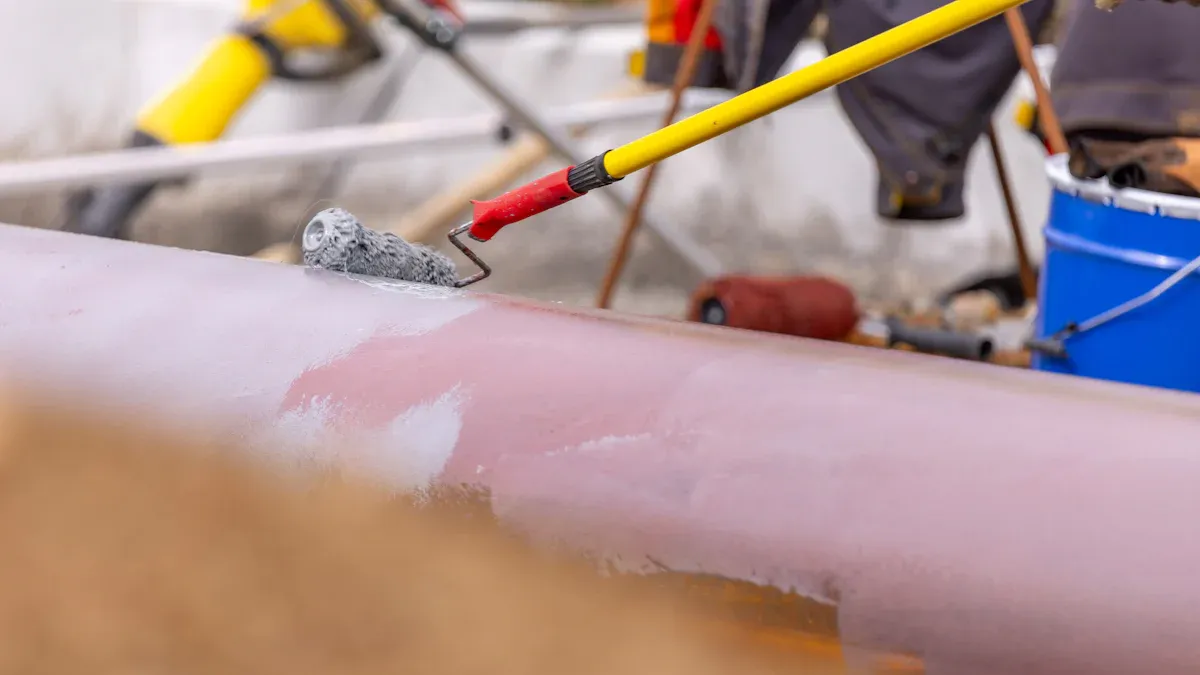
You start the galvanizing process by preparing and cleaning the steel pipes. This step matters because any dirt, oil, or rust left on the pipe can stop the zinc from sticking. You use several methods to make sure the pipes are spotless.
| Step | Description |
|---|---|
| Cleaning | Remove dirt, oil, and mill scale from pipes using alkaline solutions and surfactants. |
| Surface Preparation | Pickle pipes in acid solutions to eliminate rust and oxides. |
| Neutralization and Washing | Use a weak alkaline solution to neutralize acids, then rinse with clean water. |
You follow these steps in order:
- Degreasing: Remove oil and grease with an alkaline solution.
- Rinsing: Wash pipes with clean water.
- Pickling: Use diluted hydrochloric or sulfuric acid to dissolve rust and mill scale.
- Rinsing After Pickling: Neutralize the surface and rinse again.
- Pre-Fluxing: Dip pipes in zinc ammonium chloride solution to prevent oxidation.
- Drying: Dry or preheat pipes so no steam forms during zinc immersion.
Note: Proper cleaning helps the zinc bond tightly to the steel. If you skip this step, the coating may not protect the pipe well.
Immersion in molten zinc
After cleaning, you immerse the pipes in molten zinc. You use steel pipe hot-dip galvanizing equipment to control this step. The zinc bath stays between 830°F and 850°F (about 450°C to 460°C). This temperature lets the zinc react with the steel and form a strong, uniform coating.
You dip each pipe in the zinc bath for 30 to 60 seconds. The zinc covers the pipe and starts a diffusion reaction. Zinc and iron mix at the surface, creating a metallurgical bond. This bond forms several layers, including zinc-iron alloys, which make the coating tough and resistant to rust.
If the temperature is too low, the zinc may not stick well. If it is too high, the zinc can burn off and lose its protective power. You must keep the temperature just right for the best results.
Tip: The zinc bath creates a shiny, spangled finish on the pipe. This look shows the coating is thick and uniform.
Cooling and inspection
Once you pull the pipes out of the zinc bath, you cool them quickly. Cooling solidifies the zinc layer and stops further reactions. You can use air cooling or water quenching. Slow cooling helps avoid thermal stress and keeps the coating smooth.
| Cooling Method Description |
|---|
| After diffusion, cool the pipes to solidify the zinc-iron alloy coating. |
| Immediately after coating, cool the steel to harden the zinc layer. |
| Slow cooling prevents thermal stress and keeps the coating uniform. |
You inspect each pipe to check the coating quality. You measure the thickness with a magnetic gauge. You look for a bright, uniform zinc coating with a spangle pattern. You check for defects like black spots, white rust, or incomplete coverage. You pay special attention to threaded ends and joints.
| Inspection Aspect | Details |
|---|---|
| Coating Thickness | Minimum thickness ranges from 2.0 to 3.9 mils based on pipe size and use. |
| Measurement Method | Use magnetic thickness gauges at several points. |
| Surface Appearance | Look for a bright, uniform zinc coating with spangle pattern. |
| Defects to Look For | Surface should be free from black spots, white rust, and incomplete coverage. |
| Visual Inspection | Inspect the whole pipe, especially ends and joints. |
You finish by smoothing minor zinc runs and preparing the pipes for handling. These steps make sure the pipes are ready for use and will last a long time.
Callout: Careful cooling and inspection help you get pipes that resist rust and stay strong for years.
Quality control and benefits
Uniform coating
You rely on quality control to make sure every steel pipe gets a consistent zinc coating. The equipment uses several testing methods to check the thickness and strength of the zinc layer. These tests help you spot any problems early and fix them before the pipes leave the factory.
| Testing Method | Description |
|---|---|
| Magnetic Induction Method | Measures zinc thickness using magnetic flux. |
| Eddy Current Testing | Checks coating thickness, especially for non-ferrous materials. |
| Micrometer | Measures thickness manually, best for small samples. |
| Bend Test | Bends the pipe to see if the coating cracks or breaks. |
| Impact Test | Tests toughness against sudden force. |
| Corrosion Resistance Test | Uses salt spray and aging tests to see how well the coating protects. |
| Documentation and Certification | Keeps records and certificates for each batch. |
You also inspect pipes for common defects. Look for small bumps, pinholes, scratches, marks from chains, distortion, and drainage spikes. Check for oil or grease, severe corrosion, thick stains, rough surfaces, and low zinc bath temperature. You examine the surface for rough zinc particles, thick edges, air knife marks, and gray coatings.
Tip: Careful inspection and testing help you deliver pipes that meet high standards and last longer.
Corrosion resistance
The zinc layer acts as a shield. You need a minimum thickness of 6 micrometers to get strong protection. This barrier stops water and air from reaching the steel. The zinc also provides cathodic protection, which means it reacts first and keeps the steel safe.
Hot-dip galvanizing gives you a thick, tough coating. The bond between zinc and steel resists peeling and damage. You get pipes that work well in harsh outdoor conditions. Compared to other methods, hot-dip galvanizing lasts longer and protects better.
| Method | Coating Thickness | Adhesion Strength | Durability |
|---|---|---|---|
| Hot-Dip Galvanizing | Thick | Strong | Long-lasting |
| Electro-Galvanizing | Thin | Weaker | Limited lifespan |
| Zinc-Rich Coatings | Thin | Weaker | Limited lifespan |
You save money because galvanized pipes need less maintenance. The pipes can last up to 50 years in dry places and 20–25 years in humid or coastal areas. Zinc and steel are recyclable, so you help the environment and future generations.
Callout: Hot-dip galvanizing gives you pipes that stay strong, resist rust, and support a sustainable future.
You protect steel pipes from rust and damage by using hot-dip galvanizing equipment, which covers them with a thick zinc layer. This process gives you pipes that last for decades and perform well in tough conditions.
| Key Takeaway | Description |
|---|---|
| Protective Capabilities | Zinc coating blocks rust and corrosion. |
| Long-term Durability | Pipes can last up to 50 years. |
| Reliable Performance | Works in many environments. |
You see galvanized pipes in construction, agriculture, and everyday products like furniture and fencing. Choose hot-dip galvanizing to save money, reduce repairs, and keep your steel strong.
Post time: Mar-02-2026