
Introduction
The global demand for galvanized steel continues to grow as industries seek durable, corrosion-resistant materials for infrastructure, construction, energy, transportation, and manufacturing. From transmission towers and highway guardrails to structural steel, solar mounting systems, and industrial pipelines, hot-dip galvanized products have become an essential part of modern engineering.
As market demand increases, manufacturers are under greater pressure to improve production efficiency, reduce operating costs, and comply with increasingly stringent environmental regulations. As a result, investing in advanced galvanizing equipment is no longer simply about increasing production capacity—it is about building a smarter, more sustainable, and more competitive business.
Choosing the right Galvanizing Equipment Manufacturer is therefore a strategic decision. Beyond supplying machinery, an experienced manufacturer can provide customized engineering solutions, process optimization, technical training, and long-term after-sales support that directly influence production quality and return on investment.
This guide explores the key factors to consider when selecting a galvanizing equipment supplier, highlights the major industry trends shaping 2026,
Key Takeaways
Before investing in a galvanizing production line, keep these essential points in mind:
- • Prioritize manufacturers with proven expertise in hot-dip galvanizing technology.
- • Look for intelligent automation and PLC-controlled systems that improve productivity while reducing labor costs.
- • Choose equipment designed for energy efficiency and environmental compliance.
- • Evaluate equipment quality, production capacity, and customization capabilities.
- • Consider the manufacturer’s technical support, spare parts availability, and after-sales service.
- • Compare the total cost of ownership rather than focusing only on the initial purchase price.
Making the right decision today can significantly reduce operating costs while improving production efficiency for many years.
Selecting a Galvanizing Equipment Manufacturer involves much more than comparing quotations. Since galvanizing equipment is a long-term investment with a service life often exceeding 20 years, buyers should evaluate suppliers from both technical and commercial perspectives.
1 Technical Expertise and Industry Experience
Experience is one of the strongest indicators of a manufacturer’s capabilities. Companies that have designed and installed numerous galvanizing plants are generally better equipped to solve complex engineering challenges and deliver reliable production lines.
Experienced manufacturers can also provide valuable recommendations for:
- Plant layout optimization
- Zinc kettle design
- Material handling systems
- Pickling and fluxing processes
- Furnace efficiency improvements
- Production workflow optimization
Instead of offering standardized equipment, reputable manufacturers typically provide customized solutions tailored to different production capacities, product sizes, and customer requirements. For businesses planning large-scale production, working with an experienced supplier helps minimize project risks while shortening installation and commissioning time.
2 Equipment Quality and Manufacturing Standards
Equipment quality has a direct impact on production efficiency, maintenance costs, and product consistency.
High-quality galvanizing equipment is generally manufactured using premium steel structures, durable refractory materials, and reliable electrical components from internationally recognized brands. Critical equipment such as zinc kettles, heating systems, cranes, and conveying equipment should be designed to withstand continuous operation under high-temperature conditions.
When evaluating equipment quality, consider questions such as:
- What materials are used for the zinc kettle?
- Are internationally recognized electrical components used?
- Is the equipment tested before delivery?
- Can the production line operate continuously with minimal downtime?
- Does the manufacturer comply with international quality standards?
Reliable equipment reduces unexpected failures, minimizes maintenance costs, and extends the overall service life of the production line.
3 Automation and Smart Manufacturing
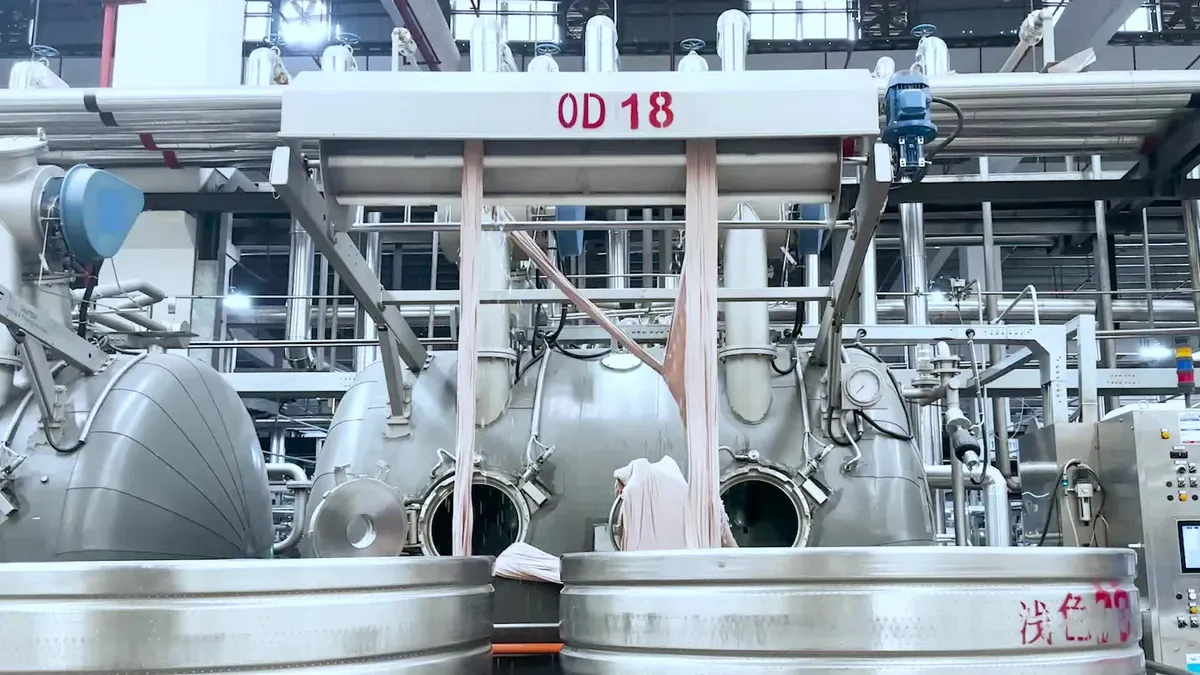
Automation has become one of the defining features of modern galvanizing plants. Today’s advanced production lines integrate PLC control systems, intelligent sensors, automated cranes, and centralized monitoring platforms to improve operational efficiency and product consistency.
Key automation features may include:
- Automatic material transportation
- Digital temperature control
- Zinc level monitoring
- Real-time production data collection
- Automated process parameter adjustment
- Remote fault diagnosis
These technologies reduce human error while ensuring consistent coating thickness and product quality. For manufacturers facing labor shortages or rising operating costs, automation can significantly improve productivity while lowering long-term expenses.
4 Energy Efficiency and Environmental Performance
Environmental regulations continue to become more stringent worldwide, making sustainability an increasingly important purchasing factor.
Leading manufacturers now integrate numerous energy-saving technologies into their galvanizing equipment, including:
- High-efficiency combustion systems
- Heat recovery technology
- Insulated furnace structures
- Closed-loop water recycling systems
- Acid regeneration systems
- Advanced fume extraction and filtration
These improvements not only reduce emissions but also lower fuel consumption and operating costs. Many companies are also investing in intelligent energy management systems that monitor power consumption in real time, helping operators identify opportunities for further efficiency improvements.
Choosing environmentally friendly equipment is not only beneficial for regulatory compliance but also strengthens a company’s reputation among global customers increasingly focused on sustainable manufacturing.
5 Customization Capabilities
Every galvanizing plant has unique production requirements. Some facilities specialize in steel structures, while others manufacture guardrails, transmission towers, pipes, fasteners, or fabricated steel components. Production capacity, product dimensions, and workflow requirements vary considerably between projects.
For this reason, customization is often more valuable than purchasing standard equipment.
A qualified manufacturer should be able to customize:
Customized solutions improve workflow efficiency, maximize factory space utilization, and reduce unnecessary operational costs.
6 After-Sales Service and Technical Support
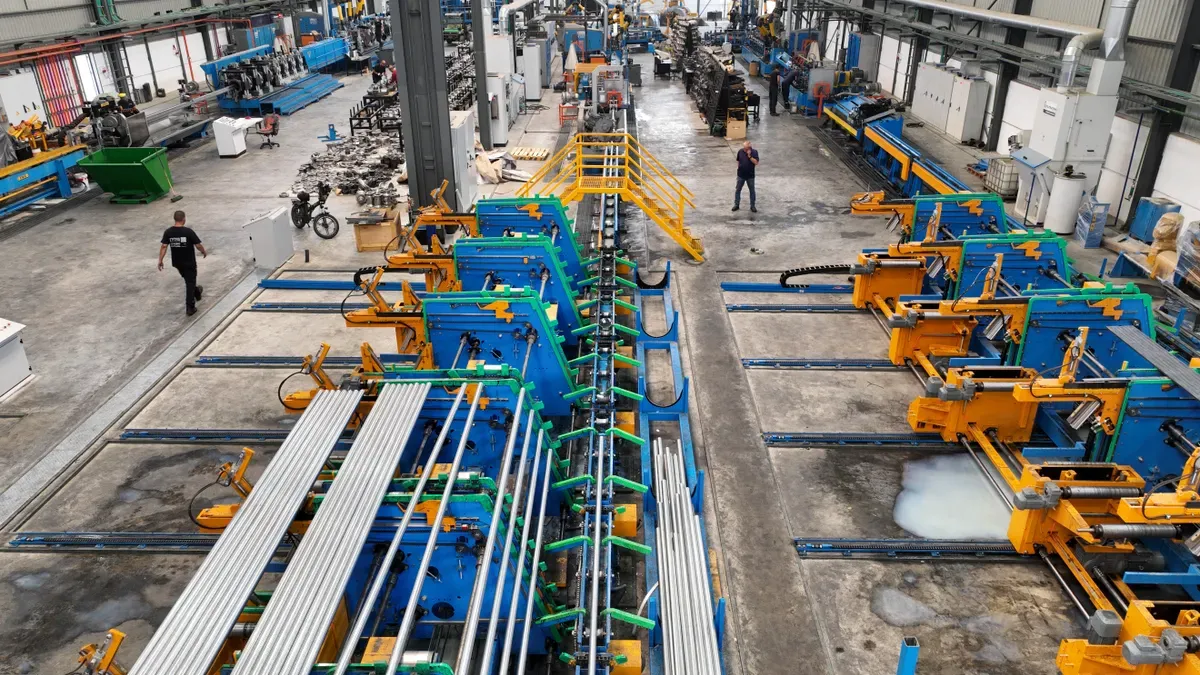
The relationship with a galvanizing equipment supplier does not end once installation is complete. Reliable after-sales support is essential for maintaining stable production throughout the equipment’s lifecycle.
Comprehensive technical support should include:
- Installation supervision
- Equipment commissioning
- Operator training
- Preventive maintenance programs
- Spare parts supply
- Emergency troubleshooting
- Software upgrades
- Process optimization services
Fast response times are particularly important when unexpected equipment failures occur, as production downtime can result in substantial financial losses. Many leading manufacturers now provide remote diagnostic services, allowing engineers to identify and resolve technical issues without requiring immediate on-site visits. This significantly reduces maintenance time and improves production continuity.
Post time: Jul-07-2026