
Structural component galvanizing plants rely on several essential equipment types. You use high-efficiency furnaces to heat zinc evenly, which helps create a smooth finish. White fume enclosures capture harmful fumes and keep the air clean. Kettles withstand extreme heat and maintain the quality of zinc layers. Acid fume scrubbers protect workers from corrosive vapors and support safety standards. Each piece of structural component galvanizing equipment plays a critical role in making your plant efficient, safe, and able to produce high-quality results.
Key Takeaways
- · Invest in high-efficiency furnaces and kettles to ensure even heating and quality zinc layers.
- · Build a strong foundation using reinforced concrete and steel reinforcements to support heavy equipment.
- · Utilize advanced machinery to automate processes, increase safety, and improve production rates.
- · Implement thorough pre-treatment steps with degreasing, pickling, and rinsing tanks to ensure proper zinc adhesion.
- · Regularly monitor and maintain equipment to enhance safety, efficiency, and product quality.
Foundation and Modern Machinery
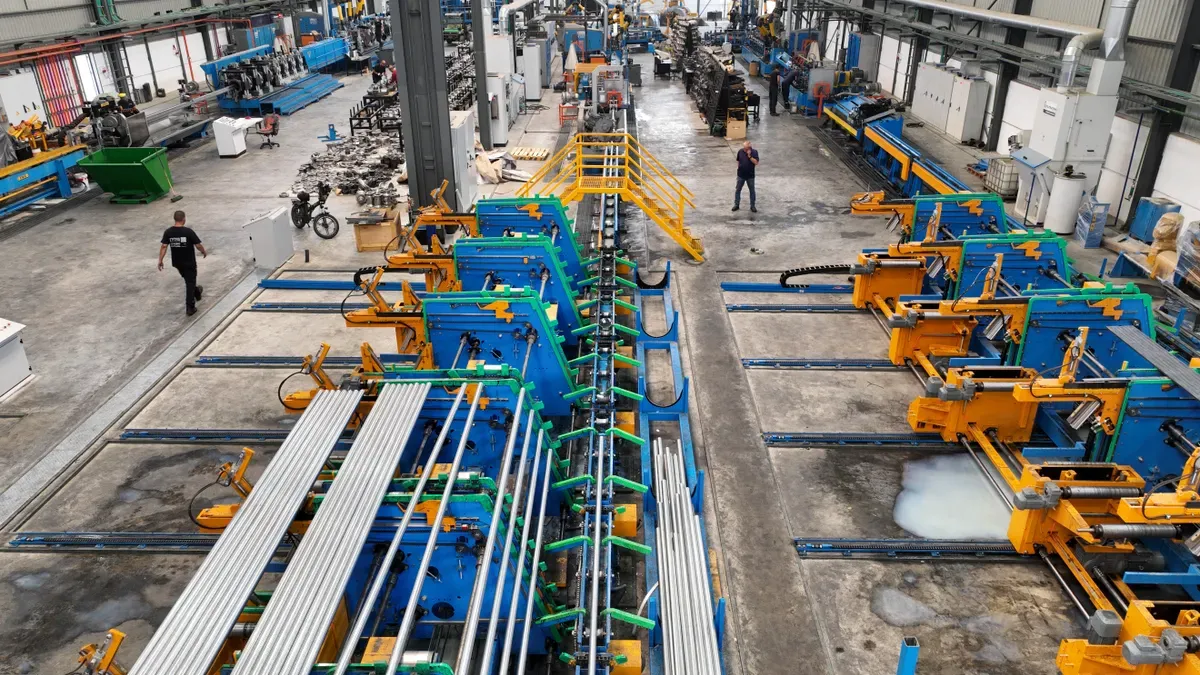
Plant Foundation
You need a strong foundation to support the heavy equipment in your galvanizing plant. The right foundation keeps your plant safe and stable. It also helps your equipment work well for a long time. You should always consult a structural engineer before building your foundation. An expert can help you design a base that spreads the weight and stands up to stress from the environment.
Here are some key points to consider for your plant foundation:
- · Use reinforced concrete for heavy loads. This material gives your foundation strength and durability.
- · Add steel reinforcements to make the foundation even stronger.
- · Include gravel beds under the foundation to help with drainage and prevent water damage.
- · Choose the right type of foundation for your site:
- o Slab foundations work well on stable ground and cost less.
- o Pier and beam foundations fit uneven land and allow for better air flow.
- o Perimeter footings give steady support for large buildings.
Tip: A well-built foundation protects your investment and keeps your plant running smoothly.
Advanced Machinery
Modern machinery changes how you run your galvanizing plant. You can use machines to handle tough jobs, which means you do not need as much manual labor. This makes your plant safer and more efficient.
Some benefits of advanced machinery include:
- · Faster production rates, so you can finish more work in less time.
- · Consistent, high-quality treatment for every metal piece.
- · Robots can automate handling, dipping, and timing. This leads to better coating quality and fewer mistakes.
- · Automation reduces manual errors and keeps workers safe from high temperatures.
- · Advanced sensors and real-time data help you control the process with precision.
- · Machine learning can predict when you need maintenance, so you avoid costly downtime.
You get higher productivity and better results when you invest in modern equipment. Your plant becomes safer, more reliable, and ready for future growth.
Pre-Treatment Equipment
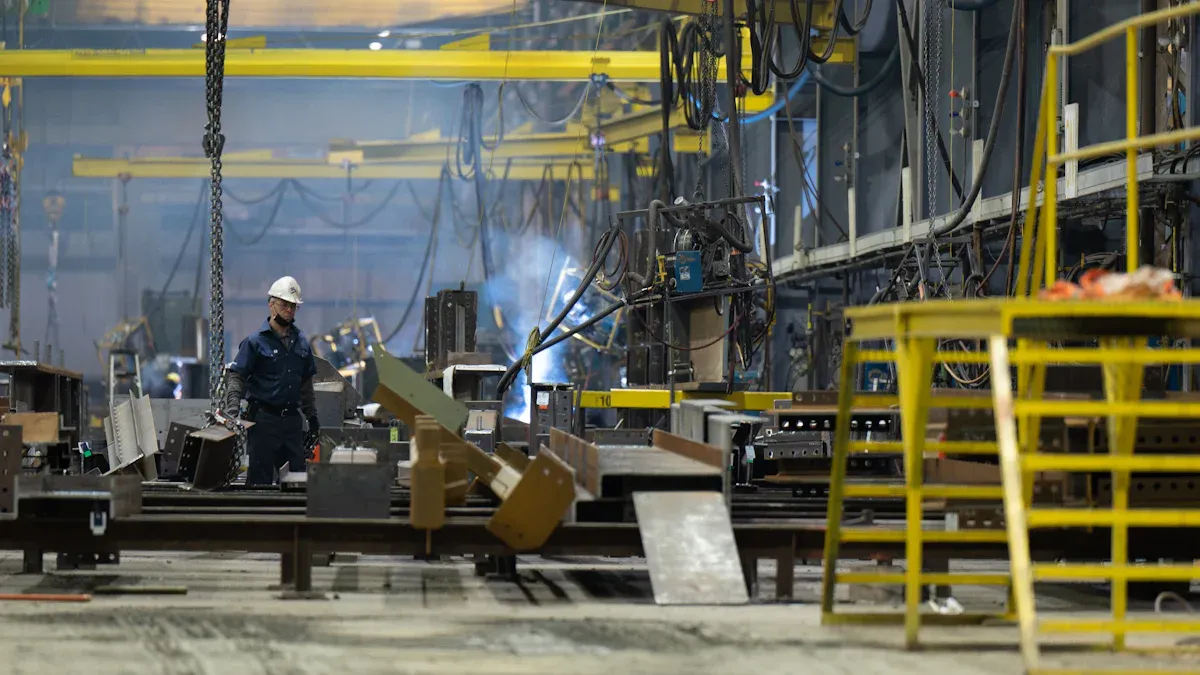
Before you galvanize steel, you must clean and prepare every component. Pre-treatment equipment removes oil, rust, and dirt from the surface. This step ensures the zinc coating sticks well and lasts longer. You will use a sequence of tanks and systems to get the steel ready for galvanizing.
| Equipment | Function |
| Degreasing tank | Alkaline cleaning of steel surfaces |
| Pickling tanks | HCl or H₂SO₄ acid treatment |
| Rinsing tanks | Water washing to remove chemicals |
Degreasing Tanks
You start with degreasing tanks. These tanks use special cleaners to remove oil, grease, and dirt from steel. Most plants use aqueous-based cleaners at temperatures between 140°F and 170°F. This temperature range helps the chemicals work better and clean faster. You should always check the chemical concentration. For example, a common cleaner like Turco 4215 NCLT works best at 4-6 ounces per gallon. To see if the steel is clean, you can use a water break test. If water flows smoothly over the surface, the steel is ready for the next step.
| Parameter | Details |
| Optimal Temperature Range | 140-170°F (60-77°C) |
| Chemical Concentration | 4-6 oz/gal for common cleaners |
| Cleaning Effectiveness | Water break test: continuous sheeting means clean surface |
Tip: Always monitor tank temperature and chemical levels for best results.
Pickling Tanks
After degreasing, you move the steel to pickling tanks. These tanks use acids to remove rust and scale. Most plants use hydrochloric acid (HCl) or sulfuric acid (H₂SO₄). Some special jobs may need nitric acid. The tanks themselves must resist strong chemicals. You often see tanks made from fiberglass-reinforced plastic (FRP), high-density polyethylene (HDPE), polypropylene (PP), or PVC. Each material offers different levels of chemical and temperature resistance.
| Type of Acid | Description |
| Hydrochloric Acid (HCl) | Common for cleaning metal parts |
| Sulfuric Acid (H₂SO₄) | Removes oxides and scale |
| Nitric Acid (HNO₃) | Used for special cleaning tasks |
Safety Note: Always use leak-proof tanks, acid-resistant drains, and fume extraction systems. Follow OSHA and ISO 9001 rules for chemical handling.
Rinsing Tanks
You finish pre-treatment with rinsing tanks. These tanks use clean water to wash away leftover chemicals from the steel. Rinsing stops acid from damaging the steel and prepares it for the next step. You should use enough water and check that all acid traces are gone. Clean rinsing helps you get a strong, even zinc coating later.
Good rinsing protects your equipment and improves the quality of your galvanized products.
Fluxing and Drying Systems
Fluxing System
You need a reliable fluxing system to prepare steel for galvanizing. The flux solution covers the steel and helps zinc stick to the surface. This step is important because it stops the steel from oxidizing before you dip it in molten zinc. If you skip this, the zinc coating may not bond well, and the final product will not last as long.
A good fluxing system includes several key parts:
- · The flux solution, which promotes strong adhesion between zinc and steel.
- · Temperature control mechanisms that keep the flux at 60–80 °C. This range prevents dross from forming and ensures a smooth zinc layer.
- · Heating systems that help the flux stay at the right temperature. These systems make sure the flux is fully molten and ready to work.
- · Tanks or baths made from materials that resist corrosion.
Tip: Always check the temperature of your flux bath. If it gets too cold or too hot, you may see dross build up. Dross can ruin the finish and lower the quality of your galvanized steel.
When you keep the flux at the right temperature, it floats on the zinc surface and removes oxidation. This process gives you a cleaner, stronger bond during galvanizing. You get better results and fewer defects in your finished products.
Drying Oven
After fluxing, you must dry the steel before dipping it in zinc. The drying oven removes any water left on the surface. If you skip this step, water can cause dangerous splashing when the steel enters the hot zinc kettle.
You set the drying oven to a temperature that quickly evaporates moisture but does not damage the flux layer. Most ovens use forced air or radiant heat. You place the steel inside for a short time, just long enough to dry it completely.
A well-designed drying oven gives you:
- · Faster drying times, so you keep production moving.
- · Even heat distribution, which protects the flux coating.
- · Lower risk of zinc splatter, making your plant safer.
Dry steel helps you get a smooth, even zinc coating every time. This step also keeps your workers safe and your equipment in good shape.
Structural Component Galvanizing Equipment
Galvanizing Kettle

You depend on the galvanizing kettle as the heart of your plant. This kettle holds the molten zinc and lets you dip steel components for coating. The kettle must handle extreme heat and heavy loads every day. You need to choose the right size and material for your kettle to match your production needs.
| Parameter | Standard Value / Range | Notes |
| Kettle material | XG08 special low-alloy steel | Best available kettle steel in China |
| Carbon content (C) | ≤ 0.08% | Reduces Fe–Zn reaction rate |
| Silicon content (Si) | ≤ 0.10% | Controls wall wear rate |
| Operating temperature | 438–460 °C (820–860 °F) | Zinc remains fully molten |
| zinc kettle purity | ≥ 98% (ASTM B6) | Customer-supplied zinc |
You select kettle dimensions based on the size of your structural components. Larger kettles let you galvanize bigger beams and columns. Smaller kettles suit hardware and small parts. The table below shows common kettle sizes and their applications.
| Internal Length (mm) | Internal Width (mm) | Internal Depth (mm) | Wall Thickness (mm) | Zinc Capacity (t) | Max Workpiece Length | Typical Application |
| 3,000 | 800 | 1,000 | 30–40 | 20–30 | ≤ 2.8 m | Small plant / hardware |
| 4,000 | 1,000 | 1,500 | 35–45 | 40–55 | ≤ 3.8 m | Small–medium plant |
| 6,000 | 1,200 | 2,000 | 40–50 | 90–120 | ≤ 5.8 m | Medium general-purpose |
| 8,000 | 1,400 | 2,200 | 45–55 | 150–180 | ≤ 7.8 m | Medium–large plant |
| 10,000 | 1,500 | 2,500 | 50–60 | 210–260 | ≤ 9.8 m | Large structural plant |
| 12,000 | 1,600 | 2,600 | 55–65 | 270–320 | ≤ 11.8 m | Heavy structural / bridge steel |

A larger kettle increases your throughput and lets you handle bigger structural components. You must balance kettle size with your plant’s space and production goals.
zinc kettle
The zinc kettle is where you create the protective coating on steel. You keep the zinc molten and pure to ensure a strong bond. You add high-purity zinc ingots as you use up zinc during production. You monitor the chemistry of the bath to keep the coating consistent and meet industry standards.
You must maintain zinc purity at or above 98%. You use customer-supplied zinc that meets ASTM B6 standards. You check for elements like copper, which can affect coating quality. You control the bath’s chemistry to get a smooth, durable finish on every structural component.
You need to add zinc regularly and manage dross to keep the bath clean. This practice helps you produce high-quality galvanized steel every time.
Heating System
You rely on the heating system to keep the kettle at the right temperature. Precise temperature control is essential for quality and safety. You use advanced sensors and controllers to monitor the zinc kettle. You avoid overheating, which can damage the kettle and cause defects.
| Product Category | Recommended Temperature (°C) | Reasoning |
| General Structural Steel | 445 - 455 | Excellent balance between coating growth rate and quality. |
| Reactive Steels (High Silicon/Phosphorus) | 440 - 445 | Slows reaction to manage coating thickness. |
| Thin Sheet and Delicate Fabrications | 440 - 445 | Prevents excessive reaction and coating buildup. |
| Castings and Forgings | 450 - 465 | Ensures better zinc fluidity for complete coverage. |
| Fasteners (Bolts, Nuts, Washers) | 440 - 450 | Achieves a ductile coating that does not fill threads. |
- · Maintain stable zinc kettle temperature within the recommended range.
- · Ensure uniform heating across the kettle to avoid thermal stress.
- · Prevent localized overheating near the kettle wall.
- · Implement accurate temperature monitoring and control systems.
- · Maintain proper zinc level and dross management.
You must keep the temperature steady to avoid coating defects and extend kettle life. You use modern heating systems to make your plant safer and more efficient.
Dross Removal Tools
You need dross removal tools to keep the zinc kettle clean. Dross forms when impurities react with zinc. If you leave dross in the bath, it can ruin the coating and lower product quality. You use several methods to remove dross and maintain your structural component galvanizing equipment.
| Evidence Type | Description |
| Electromagnetic Fields | Regulate molten metal flow and help remove dross by moving zinc dross. |
| Manual/Robotic Approaches | Common but can disturb zinc levels and have suboptimal performance. |
| Non-contact Control | Allows precise and efficient removal of dross from the zinc kettle. |
- · Skim top dross regularly during natural pauses in production.
- · Schedule maintenance for bottom dross removal when the bath cools to enhance settling.
You can use a Pneumatic Dross Grab to remove dross efficiently. This tool combines automation with minimal manual interaction. You improve safety and speed in your galvanizing operations.
Clean zinc kettles help you get consistent coatings and protect your structural component galvanizing equipment. You must remove dross often to keep your plant running smoothly.
You see that structural component galvanizing equipment plays a central role in the hot-dip process. You depend on the kettle, zinc kettle, heating system, and dross removal tools to produce high-quality galvanized steel. You must control temperature and remove dross to keep your plant efficient and your products strong.
Post-Treatment and Quality Control
Quenching Tank
You use a quenching tank to cool galvanized steel quickly after it leaves the zinc kettle. This rapid cooling step helps improve the hardness and strength of the metal. You can choose from several cooling media, depending on your needs:
- · Air
- · Oil
- · Water
- · Brine
Water and brine are the most common choices in structural galvanizing plants. Quick cooling also helps prevent unwanted reactions on the surface.
Tip: Always monitor the temperature of your quenching tank to avoid thermal shock or uneven cooling.
Cooling System
A well-designed cooling system protects the quality of your galvanized coating. You need to cool steel to 600°F or below within 5–10 minutes after removing it from the zinc kettle. This fast temperature drop prevents problems like the Kirkendall Effect, which can cause the coating to peel. Rapid cooling also keeps the coating smooth and strong.
- · Rapid cooling avoids metallurgical issues.
- · Quick temperature reduction improves coating appearance and durability.
- · Consistent cooling ensures every piece meets your quality standards.
Material Handling
You must move heavy steel parts safely through each stage. Material handling equipment helps you do this without damaging the coating or risking worker safety.
| Equipment Type | Description |
| Overhead Cranes | Move materials throughout the plant and lower them into baths. |
| Chains and Wire | Hang steel components for processing. |
| Racking Fixtures | Support large assemblies during galvanizing. |
| Hoists | Lift and move steel through cleaning and zinc kettles. |
| Special Jigs & Racks | Galvanize multiple similar items at once. |
| Perforated Baskets | Hold small items like fasteners and anchors. |
Use the right equipment to prevent scratches and ensure even coating.
Inspection Equipment
You need to check every galvanized part for quality and compliance. Inspection equipment helps you measure coating thickness, check adhesion, and make sure you meet industry standards.
| Inspection Method | Description |
| Magnetic Thickness Gauge | Measures coating thickness without damaging the part. |
| Optical Microscopy | Checks the thickness of the zinc layer. |
| Stout Knife Test | Tests how well the zinc sticks to the steel. |
| ASTM D4541 | Measures pull-off strength of coatings. |
| ASTM D3359 | Rates adhesion using a tape test. |
| ASTM D6677 | Evaluates adhesion by knife. |
| Type 2 DFT Gauges | Uses magnetic and eddy current to measure coating thickness. |
You also perform final inspections, including visual checks and adhesion tests, to ensure every batch meets ASTM standards. Regular quality control steps, such as salt spray and coating thickness tests, help you deliver durable, corrosion-resistant products.
You build a safer, more efficient galvanizing plant when you select the right equipment. Foundational tools keep basic operations steady, while advanced machines boost precision and quality. Automation and optimized layouts help you control costs and improve product results.
| Feature | Benefit |
| Energy-saving equipment | Reduces consumption and supports sustainability |
| Fully automatic pickling | Ensures efficiency and cleanliness |
| Rational layout | Enhances operational flow |
You should always plan, consult experts, and monitor performance to keep your plant running smoothly.
FAQ
What safety equipment do you need in a galvanizing plant?
You need safety goggles, gloves, aprons, and steel-toed boots. You should also use fume extraction systems and emergency showers. These items protect you from chemicals, heat, and sharp edges.
How often should you inspect galvanizing equipment?
You should inspect your equipment daily for visible damage. Schedule a full maintenance check every month. Regular inspections help you catch problems early and keep your plant running safely.
Can you automate the galvanizing process?
Yes, you can automate many steps. Use robots for dipping, sensors for temperature control, and conveyors for material handling. Automation helps you improve safety, speed, and product quality.
Why is temperature control important in galvanizing?
Precise temperature control keeps zinc molten and ensures even coating. If you let the temperature drop or rise too much, you risk poor adhesion or damaged equipment. Always monitor your heating system closely.
Post time: Jul-16-2026