
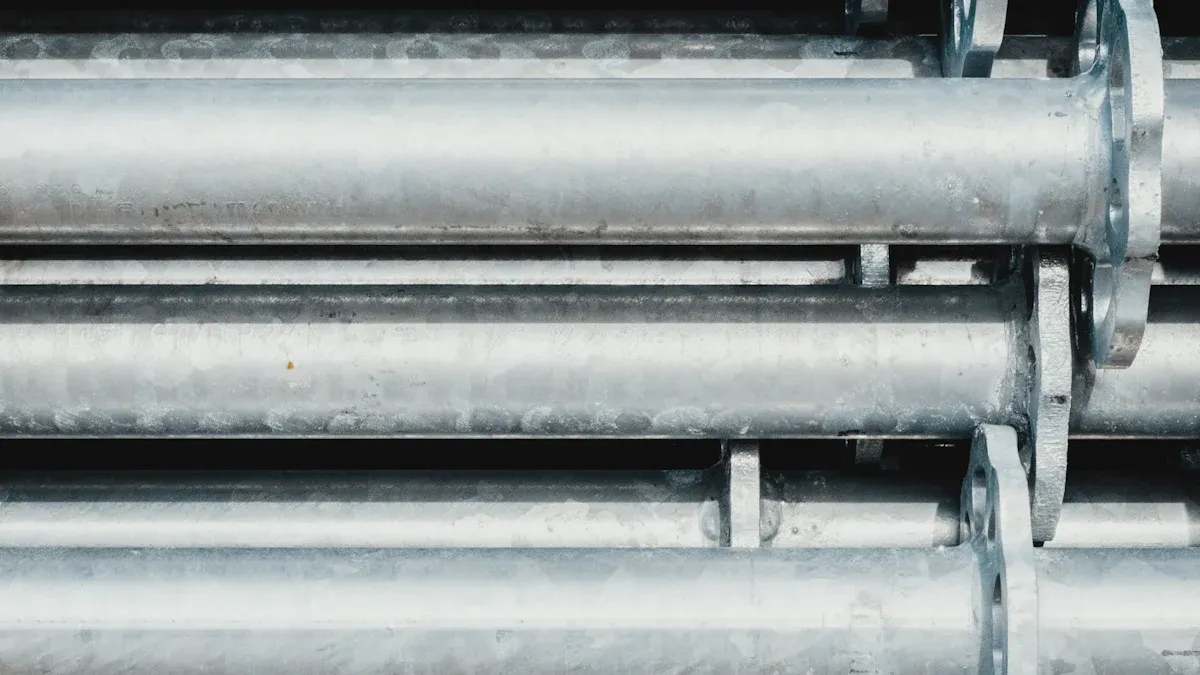
Industries such as construction, oil and gas, water supply, automotive, renewable energy, agriculture, and telecommunications rely on a pipe galvanizing plant for strong and reliable pipes. Galvanized pipes last between 40 and 100 years with proper care. Their zinc coating protects against rust, making them ideal for moist environments and reducing maintenance costs.
| Feature | Galvanized Pipes | Carbon Steel Pipes |
|---|---|---|
| Corrosion Resistance | Excellent | Needs extra protection |
| Cost | More affordable | Higher initial cost |
| Maintenance | Low | Requires regular upkeep |
The pipe galvanizing plant supports these industries with cost-effective, durable solutions for many applications.
Key Takeaways
- Galvanized pipes last between 40 and 100 years, making them a durable choice for many industries.
- The zinc coating on galvanized pipes protects against rust, reducing maintenance costs and extending lifespan.
- Industries like construction and oil and gas benefit from lower repair costs and improved safety with galvanized pipes.
- Galvanized pipes are ideal for water supply systems, ensuring safe delivery of clean water with minimal upkeep.
- Using galvanized pipes in renewable energy and agriculture supports sustainability and reduces environmental impact.
Construction And Infrastructure
Durability In Building Projects
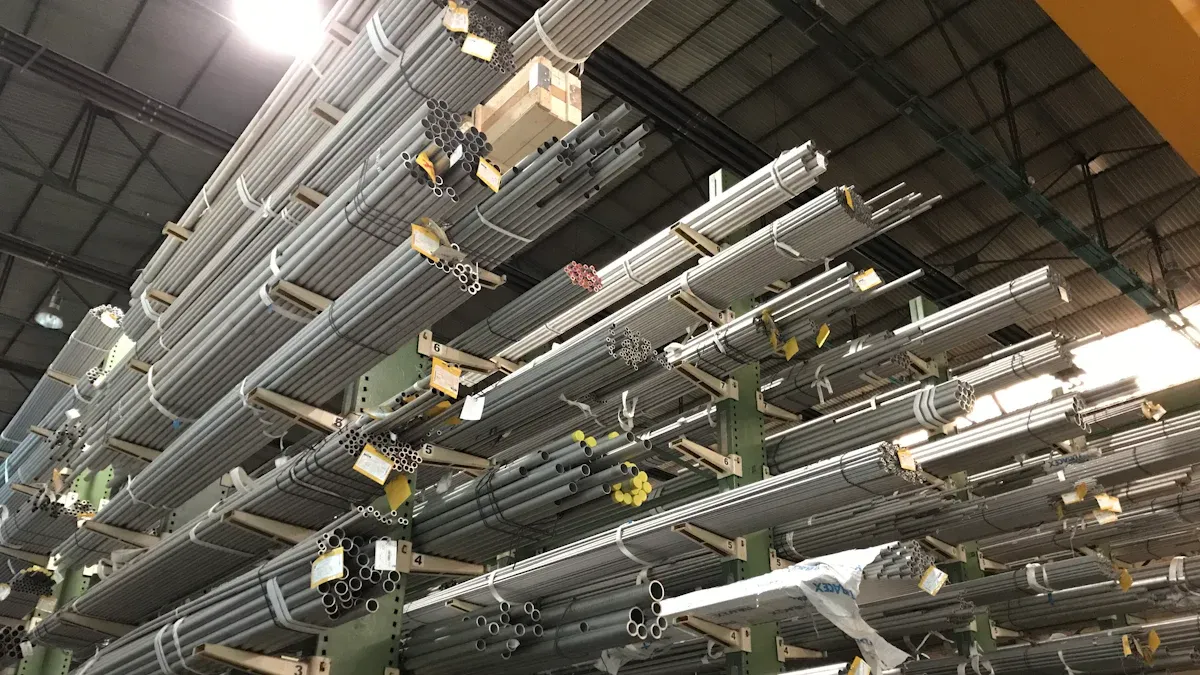
Construction professionals depend on strong, long-lasting materials for safe and reliable buildings. Galvanized pipes, produced by a pipe galvanizing plant, offer impressive durability in a wide range of building projects. These pipes often last between 25 and 50 years, depending on environmental conditions, quality, and maintenance. Under ideal circumstances, galvanized pipes can reach up to 50 years of service life. However, factors like hard water may shorten their lifespan.
- The typical lifespan of galvanized steel is 25 to 40 years.
- In the best conditions, galvanized pipes last 40 to 50 years.
- Water quality and usage patterns can affect longevity.
| Material | Average Lifespan (Years) | Factors Affecting Lifespan |
|---|---|---|
| Galvanized Pipes | 25 to 50 | Environmental conditions, quality, usage, maintenance |
| GI Steel Pipes | 20 to 50 | Environmental conditions, quality, usage, maintenance |
A pipe galvanizing plant ensures that each pipe receives a uniform zinc coating, which helps extend its lifespan. Builders and engineers choose galvanized pipes for their ability to withstand daily wear and tear in both residential and commercial projects.
Corrosion Resistance For Structural Pipes
Structural pipes face constant exposure to moisture, chemicals, and changing weather. Galvanized pipes resist corrosion, which protects buildings from leaks and structural damage. This resistance leads to lower maintenance costs and fewer repairs over time.
| Benefit | Impact on Maintenance Costs |
|---|---|
| Corrosion Resistance | Reduces leakage risk and structural degradation |
| Lower Maintenance Requirements | Leads to lower maintenance budgets |
| Improved Operational Continuity | Minimizes system downtime, enhancing service reliability |
Despite their many advantages, galvanized iron pipes may have a higher failure rate than cast iron or steel pipes. This means that regular inspections remain important for long-term safety. Still, the protection provided by a pipe galvanizing plant makes galvanized pipes a top choice for construction and infrastructure projects. Their combination of durability and corrosion resistance supports safer, more cost-effective buildings.
Oil And Gas Industry
Pipe Galvanizing Plant For Pipeline Protection
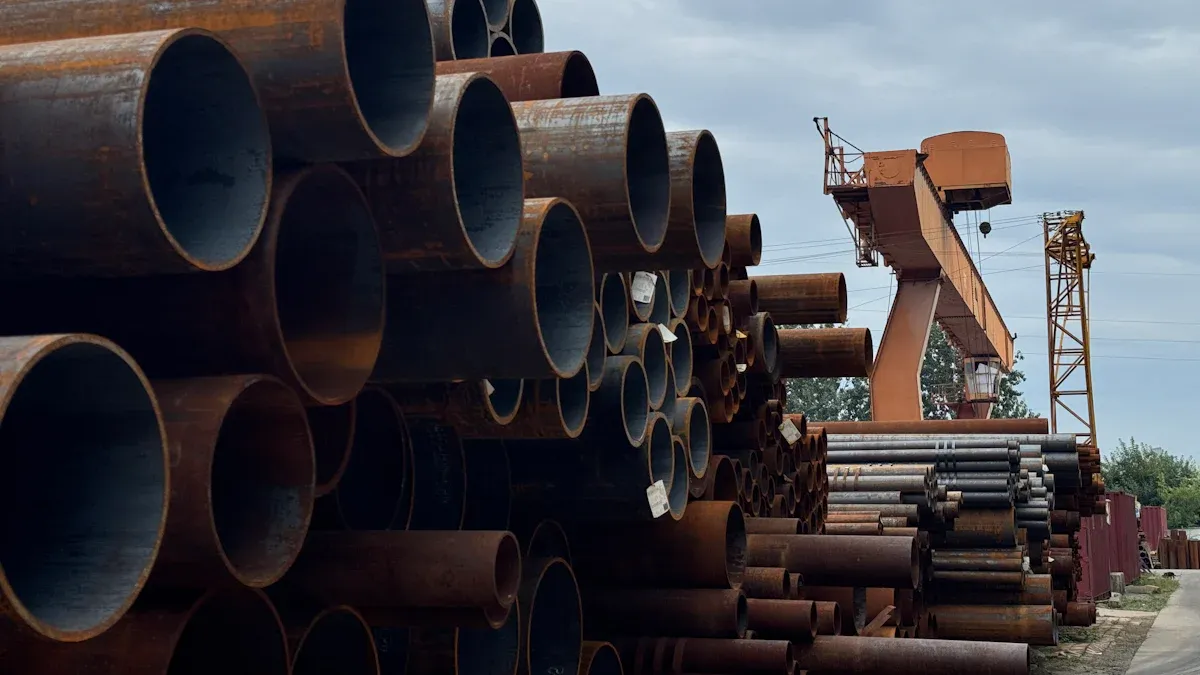
Oil and gas companies face tough challenges when protecting pipelines from corrosion and damage. Galvanized steel pipes provide a strong solution for these needs. The zinc coating shields the steel, even if the surface gets scratched or exposed. This protection works well in places with high humidity, heavy rainfall, coastal salt air, or aggressive chemicals.
A pipe galvanizing plant, such as the one operated by Bonan Tech Ltd, uses advanced processes to ensure every pipe meets strict quality standards. The hot-dip galvanizing method creates a durable layer that stands up to harsh conditions.
- Galvanized steel pipes offer excellent corrosion resistance.
- The zinc coating continues to protect exposed steel, even when damaged.
- Hot-dip galvanized pipes can last 30 to 50 years under normal conditions.
- In mild environments, these pipes may last even longer.
- Reliable pipes reduce the need for frequent repairs and replacements.
Industry standards require pipelines to last for decades. Galvanized pipes often meet or exceed these expectations. In non-corrosive environments, hot-dip galvanized pipes can last up to 70 years without major deterioration.
Reducing Maintenance In Harsh Environments
Oil and gas pipelines often run through areas with extreme weather and tough terrain. Galvanized seamless steel pipes resist corrosion, which helps them last longer in these settings. Companies report lower maintenance costs after switching to galvanized pipes.
Galvanized pipes stay strong against outside factors, so oil and gas companies spend less on repairs. The long-term reliability of these pipes leads to stable operation and improved safety.
Tip: Choosing galvanized steel pipes from a trusted pipe galvanizing plant helps oil and gas companies save money and reduce downtime.
Water Supply And Plumbing
Safe Water Delivery With Galvanized Pipes
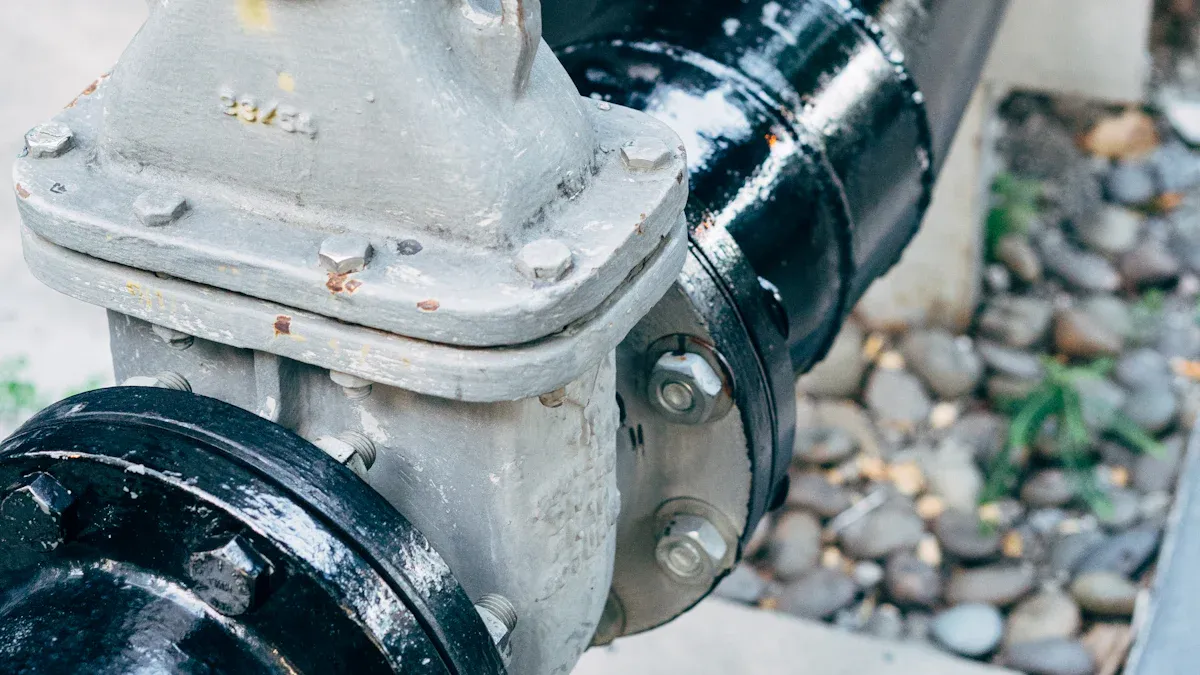
Water utilities and plumbing professionals depend on reliable materials to deliver clean water to homes and businesses. Galvanized pipes, produced by a pipe galvanizing plant, offer a protective zinc coating that helps prevent rust and corrosion. This coating extends the lifespan of pipes and supports safe water delivery in many public water systems.
- Public water systems treat water to reduce corrosion, which lowers the risk of contaminants leaching from galvanized pipes.
- Regular monitoring and testing ensure that water remains safe for consumption.
- Galvanized pipes can corrode over time, especially if the water is highly corrosive, so ongoing inspections are important.
- Lead and cadmium may leach from older galvanized pipes, posing health risks, especially for children and pregnant women.
- Testing for lead content in water is essential, particularly in older buildings with galvanized plumbing.
Water providers use these practices to maintain water quality and protect public health. Galvanized pipes remain a common choice in many regions due to their durability and cost-effectiveness.
Lower Utility Maintenance Costs
Galvanized pipes help utilities and property owners manage maintenance costs. The zinc coating reduces the risk of rust, which means fewer repairs and less frequent pipe replacements. Many galvanized steel pipes last between 40 and 60 years, depending on water quality and pipe maintenance.
- Galvanized pipes resist rust better than uncoated steel, which extends their service life.
- Over time, rust can still build up inside the pipes, leading to lower water pressure and possible leaks, especially at joints.
- Utilities must inspect and maintain pipes regularly to prevent blockages and ensure steady water flow.
- Compared to older materials, galvanized pipes require fewer repairs, but modern materials like copper now offer even longer lifespans and lower corrosion risk.
A pipe galvanizing plant provides the industry with pipes that balance durability and affordability. Utilities benefit from reduced maintenance budgets and improved reliability, making galvanized pipes a practical solution for many water supply networks.
Automotive And Aerospace
Enhanced Component Lifespan
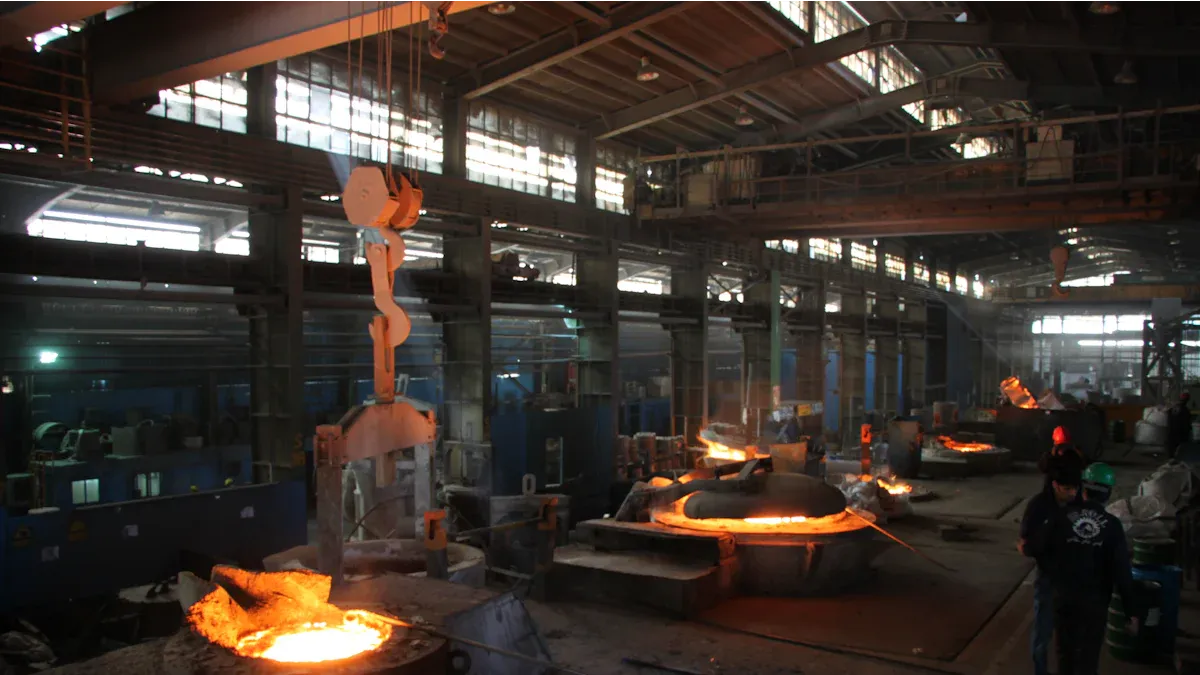
Automotive and aerospace manufacturers require materials that can withstand demanding environments. Galvanized pipes play a vital role in these industries by providing strong resistance to corrosion and wear. Engineers select galvanized steel for exhaust systems, chassis components, and hydraulic lines. The zinc coating protects metal surfaces from moisture, chemicals, and temperature changes. This protection helps vehicles and aircraft maintain performance over time.
A pipe galvanizing plant delivers consistent quality for these critical components. Manufacturers rely on uniform zinc coatings to ensure every part meets safety and durability standards. Galvanized pipes often last longer than untreated steel, reducing the risk of unexpected failures. The extended lifespan of these components supports safer vehicles and aircraft.
Note: Galvanized steel parts help reduce the frequency of replacements, which improves reliability for both automotive and aerospace applications.
Cost Savings In Manufacturing
Cost control remains a top priority for automotive and aerospace companies. Galvanized pipes offer a cost-effective solution for many manufacturing needs. The galvanization process reduces the need for expensive maintenance and repairs. Companies save money by using materials that resist rust and corrosion.
| Manufacturing Benefit | Impact on Operations |
|---|---|
| Lower Material Costs | Reduces overall expenses |
| Fewer Repairs Needed | Minimizes downtime |
| Longer Component Lifespan | Improves asset value |
A pipe galvanizing plant supports efficient production by supplying pipes that meet strict industry requirements. Manufacturers can streamline assembly processes and reduce waste. Galvanized pipes also help companies meet environmental standards by extending product life cycles and lowering resource consumption.
Automotive and aerospace industries benefit from the reliability and affordability of galvanized pipes. These advantages make galvanized steel a preferred choice for many critical applications.
Renewable Energy And Agriculture
Pipe Galvanizing Plant In Solar And Wind Projects
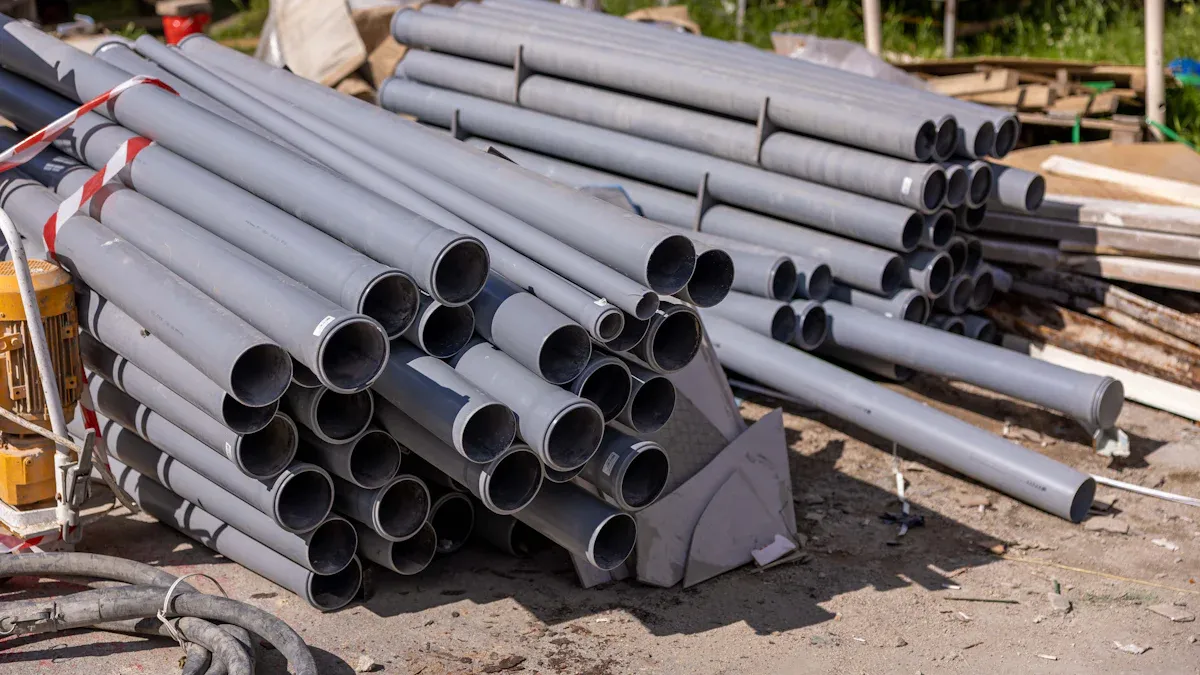
Solar and wind energy projects demand materials that can withstand harsh outdoor conditions. Galvanized pipes, produced by a pipe galvanizing plant, offer a zinc coating that protects against moisture, salt, and chemicals. This layer shields the pipes from corrosion, even in acidic or alkaline environments. As a result, solar panel frames and wind turbine supports remain strong for many years.
The long service life of galvanized pipes means fewer replacements and less maintenance. Project managers save on construction and upkeep costs. These savings make renewable energy installations more cost-effective over time. The environmental impact also decreases because fewer resources are needed for repairs or replacements.
Note: The versatility of a pipe galvanizing plant allows it to produce pipes in different diameters and lengths, meeting the unique needs of solar farms and wind parks.
Long-Lasting Irrigation Solutions
Farmers rely on irrigation systems to deliver water efficiently to crops. Galvanized pipes play a key role in these systems. Their corrosion resistance and strength help them endure tough agricultural environments. This durability ensures that water flows smoothly, supporting healthy crop growth and better yields.
Galvanized pipes require less maintenance than untreated steel pipes. Their strong zinc coating prevents rust, which keeps irrigation systems running reliably. Farmers benefit from fewer breakdowns and lower repair costs. Over time, this reliability leads to improved water management and higher productivity.
| Benefit | Impact on Agriculture |
|---|---|
| Corrosion Resistance | Fewer leaks and failures |
| Strength | Withstands field stresses |
| Low Maintenance | Reduces downtime |
A pipe galvanizing plant supports both renewable energy and agriculture by providing durable, versatile, and environmentally friendly piping solutions.
Industries such as construction, oil and gas, water supply, automotive, renewable energy, and agriculture gain measurable value from a pipe galvanizing plant. These sectors benefit from extended pipe lifespan, low maintenance, and reliable corrosion resistance.
| Advantage | Description |
|---|---|
| Extended Life Span | Pipes last over 50 years in rural areas |
| Cost Savings | Minimal upkeep and lower total cost |
| Complete Protection | Zinc coating covers all surfaces, even corners |
| Environmental Benefit | Pipes are recyclable and meet green standards |
Industry leaders report improved performance and lower costs after adopting advanced galvanizing technology. As demand grows in infrastructure and renewable energy, Bonan Tech Ltd offers solutions that support durability, efficiency, and sustainability.
FAQ
What is the main benefit of using galvanized pipes?
Galvanized pipes resist corrosion. The zinc coating protects the steel, which extends the pipe’s lifespan. Many industries choose galvanized pipes for their durability and low maintenance needs.
How long do galvanized pipes typically last?
Most galvanized pipes last between 40 and 100 years. The actual lifespan depends on the environment, water quality, and maintenance practices.
Can a pipe galvanizing plant handle different pipe sizes?
Yes. Modern pipe galvanizing plants, like those from Bonan Tech Ltd, process a wide range of pipe diameters. This flexibility supports many industry applications.
Are galvanized pipes safe for drinking water?
Galvanized pipes remain safe for most water supply systems. Regular testing and maintenance help ensure water quality. Utilities monitor for any potential contaminants.
Which industries use galvanized pipes the most?
Construction, oil and gas, water supply, automotive, renewable energy, and agriculture rely on galvanized pipes for strength and reliability.
Post time: Jan-19-2026