
Waste acid water treatment equipment helps you clean acidic wastewater from your facility. You use this system to neutralize harmful acids and make water safe before release. Proper treatment protects your workers and the environment. Many industries need this equipment, such as:
- Leather manufacturing
- Metal working
- Chemical manufacturing
- Petroleum refining
- Food industry
By using the right equipment, you meet safety rules and avoid pollution.
Key Takeaways
- Waste acid water treatment equipment cleans acidic wastewater, making it safe for release and protecting the environment.
- Key components like pH sensors and automated dosing systems ensure accurate treatment and compliance with safety regulations.
- Proper treatment reduces harmful substances, helping facilities avoid pollution and meet environmental standards.
- Using advanced technologies like ceramic membranes improves efficiency and reduces maintenance costs over time.
- Regular monitoring and maintenance of the treatment system enhance safety and operational effectiveness, preventing costly issues.
Waste Acid Water Treatment Equipment Overview
What It Is
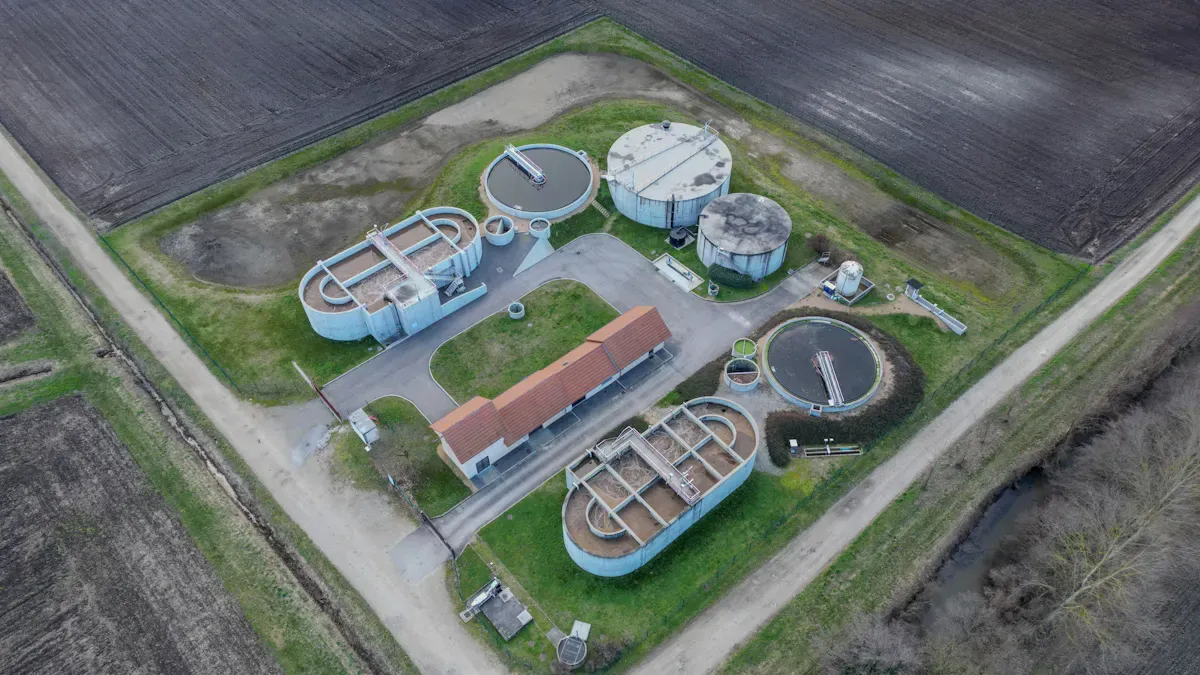
Waste acid water treatment equipment helps you manage acidic wastewater in your facility. You use this system to clean water that contains harmful acids. The equipment includes several important parts that work together to make the water safe. Here is a table showing the main components you will find in most systems:
| Component | Description |
|---|---|
| pH Sensors & Monitoring | Continuously track wastewater acidity and alkalinity to determine precise chemical adjustments. |
| Automated Chemical Dosing | Injects neutralizing agents in real-time to balance pH levels. |
| Batch or Continuous Flow Options | Customizable to specific operational needs, whether handling large volumes or point-of-use requirements. |
| Corrosion-Resistant Materials | Built with durable, high-performance materials to withstand harsh chemical environments. |
| Effluent Compliance Control | Ensures treated water meets local and federal environmental regulations. |
You rely on these parts to keep your system running smoothly and safely.
Main Functions
Waste acid water treatment equipment performs several key tasks. You use it to remove dangerous substances from wastewater. The process happens in stages. Each stage has a special job. The table below explains these functions:
| Treatment Stage | Functions |
|---|---|
| Primary Treatment | Reduces total suspended solids (TSS) and removes some BOD; addresses dissolved contaminants. |
| Secondary Treatment | Targets dissolved and colloidal organic material; employs biological treatment methods. |
| Tertiary Treatment | Final refinement stage; uses advanced technologies for stringent discharge limits and emerging contaminants. |
You can see that each stage helps make the water cleaner and safer for release.
Why Treatment Is Needed
You must treat acidic wastewater to protect the environment and public health. Untreated acidic water, especially from mining, causes acid mine drainage. This drainage contaminates rivers and groundwater. Toxic metals enter the water when sulfide minerals oxidize. You prevent these risks by using waste acid water treatment equipment. Proper treatment keeps your facility in line with environmental rules and avoids pollution.
Tip: Always monitor your system to ensure you meet safety standards and protect your community.
How It Works
pH Monitoring and Neutralization
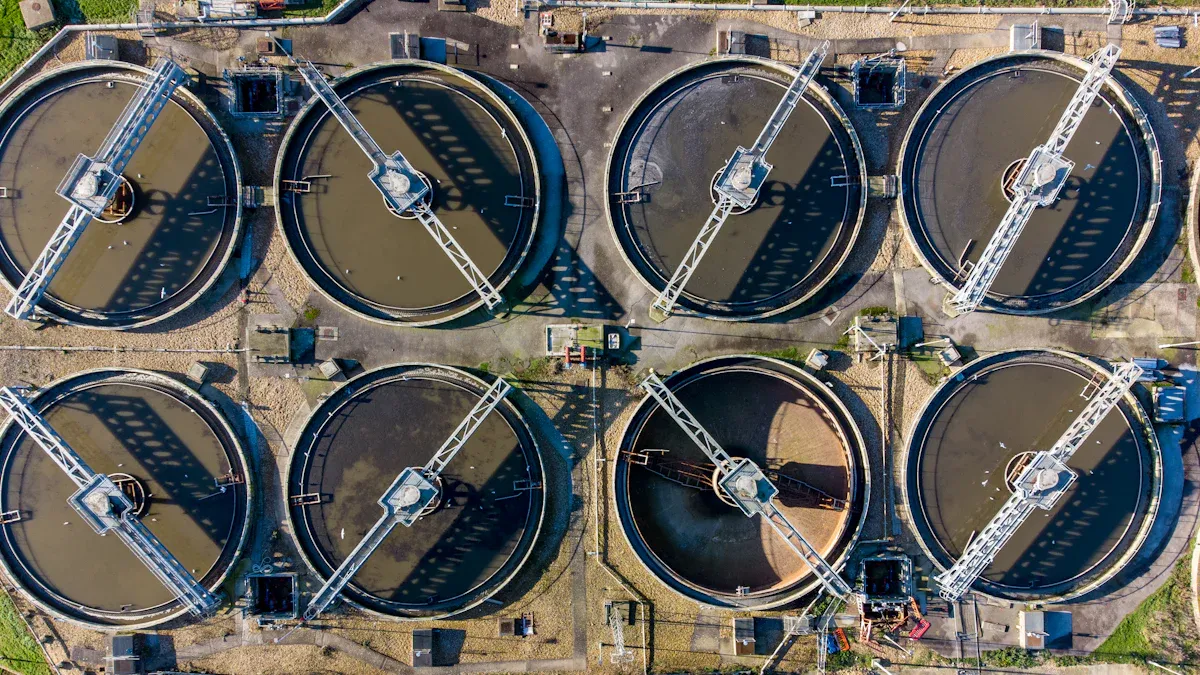
You start the treatment process by checking the acidity of your wastewater. pH sensors give you real-time data, so you always know the exact pH level. These sensors help you keep the treatment process stable and efficient. When the pH drops too low, your system adds neutralizing chemicals automatically. This closed-loop control means you use only the amount of chemicals you need, which saves money and keeps your water within safe limits.
Maintaining the right pH is important. It helps chemical reactions work as they should, protects helpful bacteria, and stops your equipment from corroding. Automated dosing systems make sure your pH stays in the safe range at all times.
You can use different chemicals to adjust the pH. Here are some common options:
- Hydroxide of Sodium (NaOH): Raises the pH of acidic water.
- Sulfuric Acid (H2SO4): Lowers the pH if your water is too alkaline.
- Lime (Ca(OH)2): Neutralizes acids and helps remove heavy metals.
- Carbonic Acid (H2CO3): Used in rare cases to lower pH.
- Citric Acid: Makes small, precise pH adjustments.
Filtration with Chemical-Resistant Membranes
After neutralization, you need to filter out solids and dissolved metals. Waste acid water treatment equipment often uses ceramic flat sheet membranes for this step. These membranes work well with aggressive acid streams because they resist harsh chemicals and last a long time.
Here is a comparison of ceramic and polymeric membranes:
| Feature | Ceramic Membranes | Polymeric Membranes |
|---|---|---|
| Chemical Stability | High | Lower, prone to degradation |
| Mechanical Strength | High | Decreases over time |
| Cleaning Efficiency | More aggressive chemical cleaning possible | Limited by material degradation |
| Fouling Potential | Lower | Higher, especially with pre-coagulated waters |
| Maintenance Requirements | Lower due to durability | Higher due to mechanical degradation |
Ceramic membranes give you better long-term performance. You can clean them with strong chemicals without damaging them. This means you spend less time and money on maintenance. Polymeric membranes, on the other hand, break down faster and need more frequent replacement.
De-carbonation and Sludge Handling
De-carbonation is the next important step. You need to remove carbonic acid and gases like CO2 from your treated water. This process uses special tanks that stir or aerate the water. As the water moves, CO2 escapes into the air. A well-designed decarbonator can remove almost all the CO2, making your water safer for discharge.
Several factors affect how well de-carbonation works. The speed of water flow, the temperature, and the amount of CO2 in the water all play a role. Aeration tanks use slow-moving paddles or surface aerators to help gases escape. During this step, iron in the water changes form and becomes easier to remove as a solid.
After filtration and de-carbonation, you have to deal with sludge. This sludge often contains toxic metals. You can handle it safely in several ways:
- Recycling and Recovery: Some systems let you extract valuable metals from the sludge, turning waste into a resource.
- Stabilization and Solidification: You can add chemicals to make the sludge safer and less likely to leak harmful substances.
- Advanced Filtration: New filtration methods help you separate metals more efficiently, which reduces the amount of sludge you need to manage.
By following these steps, you make sure your waste acid water treatment equipment works efficiently and keeps your facility safe and compliant.
Key Technologies in Waste Acid Water Treatment Equipment
pH Sensors and Control Systems
You rely on pH sensors and control systems to keep your treatment process accurate. Modern pH sensors give you better accuracy and last longer because of new materials and designs. Many sensors now work without regular calibration, so you spend less time on maintenance. You can even get sensors made for your specific industry. Companies often work with you to design custom sensors that fit your needs.
- Enhanced accuracy and reliability
- Longer operational life
- Calibration-free operation
- Custom solutions for different industries
Automated control systems help you keep the right pH balance. These systems watch your water in real time and make quick adjustments. You do not have to worry about mistakes because the system handles chemical dosing for you. Metering pumps add the right amount of chemicals, so you get the same results every time. Smart sensors and IoT monitoring give you instant feedback, making your job easier and helping you follow environmental rules.
Ceramic Membrane Filtration
Ceramic membrane filtration is a key part of waste acid water treatment equipment. You use these membranes because they last a long time and resist harsh chemicals. The table below shows why ceramic membranes work better than traditional filters:
| Advantage | Description |
|---|---|
| Resistance | Excellent resistance to oxidation and acidity |
| Pore Size | Narrow pore-size dispersion and fine separability |
| Longevity | Very extended working life |
| Rejection Layer | Thicker layer for better separation, affects water permeability |
| Resilience | Outstanding thermal and chemical resilience |
Ceramic membranes often last over 10-20 years. This long life makes them a smart choice for treating tough waste streams.
Chemical Dosing Systems
Chemical dosing systems help you neutralize acidic water with precision. These systems use metering pumps, mixing tanks, and sensors to make sure chemicals mix well and react fully. You can choose from continuous, batch, or hybrid setups to match your needs. Automated controls, like PLC or SCADA, keep your water quality steady.
| Mechanism/Feature | Description |
|---|---|
| Process Flow and Equipment | Feed control, metering pumps, and mixing tanks for efficient neutralization |
| Automation and Monitoring | pH and ORP sensors for real-time data and stable operations |
| Chemical Dosing and Reaction Control | Metering pumps for complete dispersion and reaction |
| Safety and Compliance Features | Built-in protections and data logging for safety and compliance |
| System Configurations | Continuous, batch, and hybrid systems for flexibility |
| Automated Control | Real-time pH control for consistent effluent quality |
Safety is important. Your system may include backflow prevention, leak detection, bunded tanks, and emergency shut-off protocols. These features protect you and your facility from chemical accidents.
Effectiveness and Benefits
Acid and Metal Removal Efficiency
You need to remove acids and metals from wastewater to protect your facility and the environment. Waste acid water treatment equipment uses advanced filters and neutralization steps to achieve high removal rates. Ceramic membranes trap tiny particles and dissolved metals. Automated dosing systems add the right chemicals to balance pH and help metals settle out. You get cleaner water and less sludge to manage.
Tip: Regular maintenance of your system keeps removal efficiency high and prevents unexpected problems.
Environmental Compliance
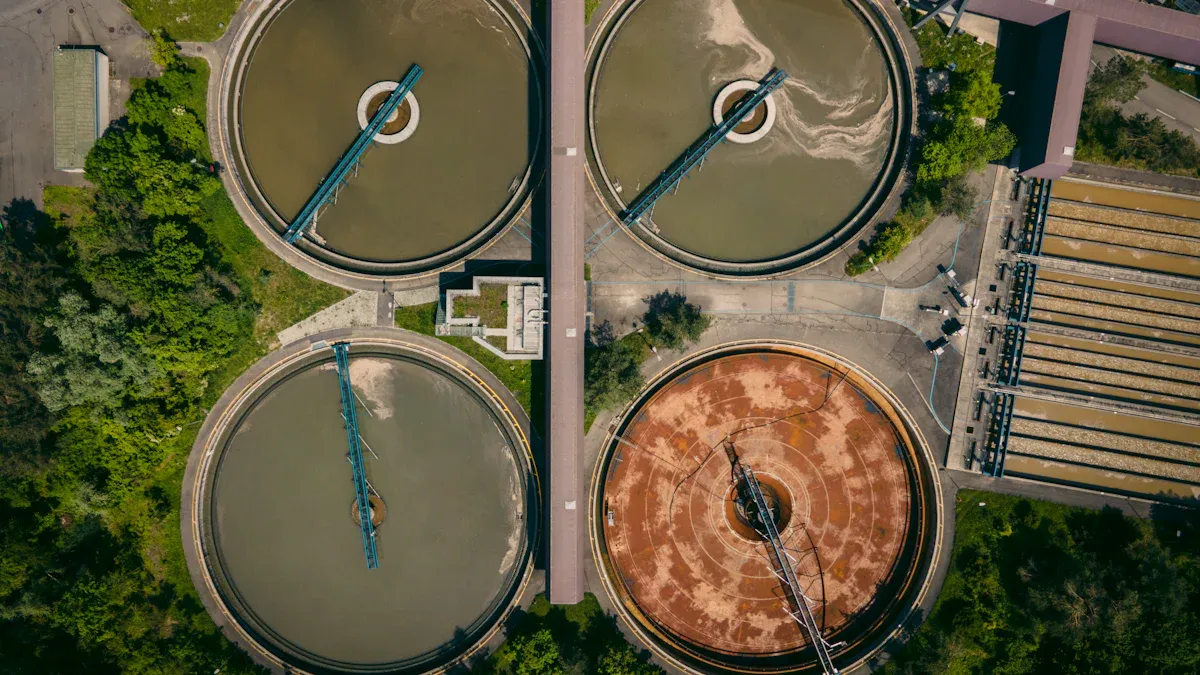
You must follow strict rules for wastewater discharge. Modern treatment equipment helps you meet these standards. Outdated systems often fail to remove enough contaminants, which can lead to violations and fines. Upgrading your equipment reduces this risk. The table below shows how equipment type affects compliance:
| Equipment Type | Impact on Compliance |
|---|---|
| Advanced Technology | Enhances contaminant removal and compliance with effluent standards |
| Outdated Equipment | Increases likelihood of regulatory violations and penalties |
You can see that advanced technology gives you better results. Many facilities with aging infrastructure struggle to keep up with current rules. Upgrading to modern systems is essential for staying compliant and avoiding costly penalties.
Safety and Operational Advantages
You improve safety when you use advanced waste acid water treatment equipment. New systems offer better leak detection and stronger containment materials. Automated controls reduce the need for manual handling of dangerous chemicals. You also benefit from:
- Early warning systems for leaks or vapor releases
- Durable tanks and pipes that resist corrosion
- Automated acid feed and remote monitoring to keep workers safe
- Safer storage solutions for hazardous acids
- Improved personal protective equipment (PPE) and handling tools
Automated operation reduces human error. Smart sensors and AI-powered controls watch your system and alert you before problems happen. These features help you prevent accidents and keep your team safe every day.
You use waste acid water treatment equipment to clean acidic wastewater and protect your facility. This system adjusts pH, removes harmful metals, and uses advanced technologies like pH sensors and ceramic membranes. These tools help you meet strict environmental rules and keep water safe for reuse.
- Acidic wastewater has a pH below 7 and can damage equipment.
- Treatment methods include pH adjustment and filtration.
- Cleaner water supports sustainability and protects aquatic life.
| Benefit | Description |
|---|---|
| Improved Effluent Quality | Water is safer for reuse and discharge. |
| Lower Waste Volumes | Less sludge makes disposal easier. |
| Infrastructure Protection | Equipment lasts longer and needs less repair. |
FAQ
What is the main purpose of waste acid water treatment equipment?
You use this equipment to clean acidic wastewater. It helps you remove harmful acids and metals. This keeps your facility safe and protects the environment.
How often should you check the pH sensors?
You should check your pH sensors every week. Regular checks help you catch problems early. This keeps your system working well and your water safe.
Can you reuse water after treatment?
Yes, you can reuse treated water for cleaning or cooling. Make sure you test the water first. Safe reuse saves you money and reduces waste.
What safety features should you look for?
You should look for leak detection, emergency shut-off, and strong tanks. These features protect you and your workers from chemical accidents
Post time: May-14-2026