
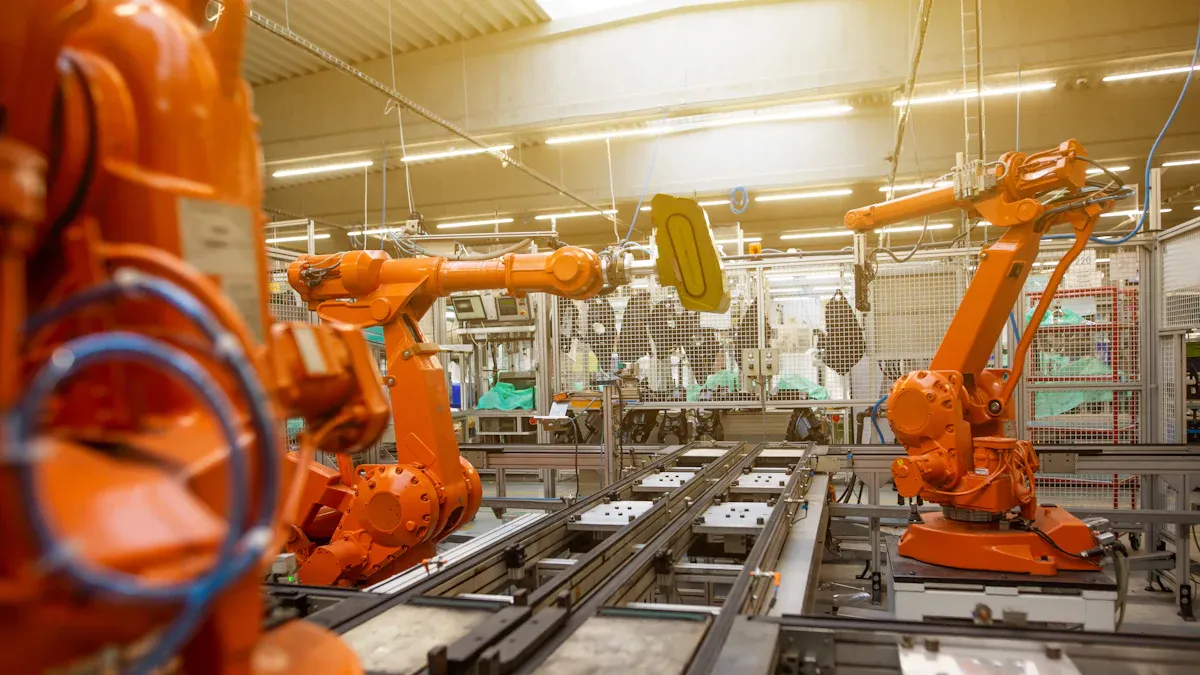
You rely on the Zinc Kettle for melting and storing zinc in your industrial operations. This equipment supports hot-dip galvanizing, which strengthens steel structures and prevents rust. Durability matters because high temperatures and harsh environments can challenge your process. By choosing the right Zinc Kettle, you protect your workflow and maintain high-quality results.
Key Takeaways
- Choose high-purity low-carbon low-silicon steel for your Zinc Kettle. This material resists corrosion and extends the kettle’s service life.
- Use quality refractory bricks and alloys for the inner lining. These materials protect against high temperatures and chemical damage.
- Implement regular maintenance and inspections. Routine checks help catch issues early and keep your kettle running efficiently.
- Select the right heating method. Electric heating offers precision, while gas heating is cost-effective. Hybrid models provide flexibility.
- Ensure proper installation techniques. Allow for metal expansion to prevent warping or cracking during heating and cooling.
Zinc Kettle Materials
Steel Types for Durability
You need a Zinc Kettle that can handle extreme heat and resist corrosion. The best choice for this is high-purity low-carbon low-silicon steel. This type of steel keeps your kettle strong and reliable during hot-dip galvanizing. The table below shows how the steel’s composition helps your kettle last longer:
| Evidence Description | Key Points |
|---|---|
| Steel with low silicon, phosphorous, and carbon limits interaction with zinc. | This limitation is crucial for reducing wear on the kettle wall, thus improving durability. |
| Low silicon content keeps the coating stable and reduces corrosion. | This stability is crucial for the longevity of zinc kettles, enhancing their durability. |
| Impurities like copper or phosphorus affect zinc adhesion and kettle lifespan. | High-purity steel minimizes these impurities, leading to better performance and durability. |
| The composition helps maintain structural integrity under high temperatures. | This is essential for the kettle’s performance during galvanizing processes. |
When you choose steel with low levels of silicon, phosphorus, and carbon, you help your Zinc Kettle resist damage from molten zinc. This means less wear and a longer service life for your equipment.
Refractory Bricks and Alloys
You also need to think about the inner lining of your Zinc Kettle. Refractory bricks play a big role here. These bricks can handle very high temperatures without breaking down. They protect the steel shell from direct contact with molten zinc. This extra layer keeps the kettle safe from rapid temperature changes and chemical attacks.
Special alloys add even more strength. Some kettles use alloy linings or coatings to boost resistance to corrosion. These alloys help your kettle stay strong, even after many heating and cooling cycles. You get a kettle that works well for a long time.
Tip: Always check that your kettle uses high-quality refractory bricks and alloys. This will help you avoid early failures and costly repairs.
Material Impact on Service Life
The materials you choose for your Zinc Kettle have a big effect on how long it will last. Here are some important points to remember:
- Hot-dip galvanizing gives a thick, tough coating. This means your kettle can last for decades, even in harsh industrial settings.
- Electroplated zinc creates a thinner layer. This works best indoors or in mild outdoor conditions. It does not last as long in tough environments.
- The American Galvanizers Association says hot-dip galvanized coatings can protect steel for over 70 years in normal industrial use. Electroplated zinc may start to rust in just a few months if exposed to bad weather.
When you pick the right materials, you make sure your Zinc Kettle stands up to daily use. You get better performance and fewer problems over time.
Design Features for Durability
Welded Steel Plate Construction
You want your Zinc Kettle to last through years of heavy-duty use. Welded steel plate construction gives your kettle the strength it needs. The steel plates are joined with strong welds that hold up under high temperatures and heavy loads. These welds help the kettle resist cracking and warping when you heat and cool it during the galvanizing process. Choosing the right welding electrodes also protects the kettle from corrosion caused by molten zinc.
The thickness of the steel plates matters for durability. Thicker walls mean more protection against wear and tear. The table below shows common wall thicknesses used in welded steel plate construction:
| Thickness |
|---|
| 30mm |
| 50mm |
Thicker steel plates help your kettle stand up to the stress of daily use. You get a kettle that keeps its shape and holds zinc safely.
Insulation and Corrosion Resistance
Insulation keeps your Zinc Kettle working efficiently. Good insulation stops heat from escaping, which saves energy and keeps the zinc at the right temperature. You can use different types of insulation to protect your kettle. Here are some effective options:
- Insulated covers like ceramic fiber blankets, refractory lids, or sand seals can cut heat loss by 70-90%.
- Without a cover, your kettle can lose about 200-250 kW of heat at 450 °C.
- With an insulated cover, heat loss drops to 20-50 kW. This saves 150-200 kW and reduces surface heat loss by 75-85%.
Insulation also helps prevent rapid temperature changes that can damage your kettle. Corrosion resistance is another key feature. Using materials like stainless steel or corrosion-resistant alloys protects your kettle from the harsh effects of molten zinc. These materials lower maintenance costs and keep your kettle clean.
Structural Reinforcement
You need structural reinforcement to keep your kettle safe and reliable. Reinforced walls and supports help the kettle handle the weight of molten zinc and the pressure from heating. Strong construction prevents leaks and keeps zinc from contaminating your workspace.
Design features like thicker walls and reinforced joints stop zinc from leaking out. The table below shows how different materials help prevent contamination and leakage:
| Material Type | Benefits | Drawbacks |
|---|---|---|
| Stainless Steel | Superior resistance to zinc erosion and thermal fatigue | Higher initial cost |
| Corrosion-resistant | Reduces long-term maintenance costs and minimizes contamination | May require specific welding |
Routine cleaning and regular inspections also help keep your kettle in good shape. You should clean out dross and slag often, use approved detergents after draining zinc, and check for signs of wear or corrosion. These steps keep your kettle working well and prevent safety problems.
Tip: Strong design and regular care help your Zinc Kettle last longer and work better. You protect your investment and keep your operation running smoothly.
Heating Methods and Performance
Electric vs. Gas Heating
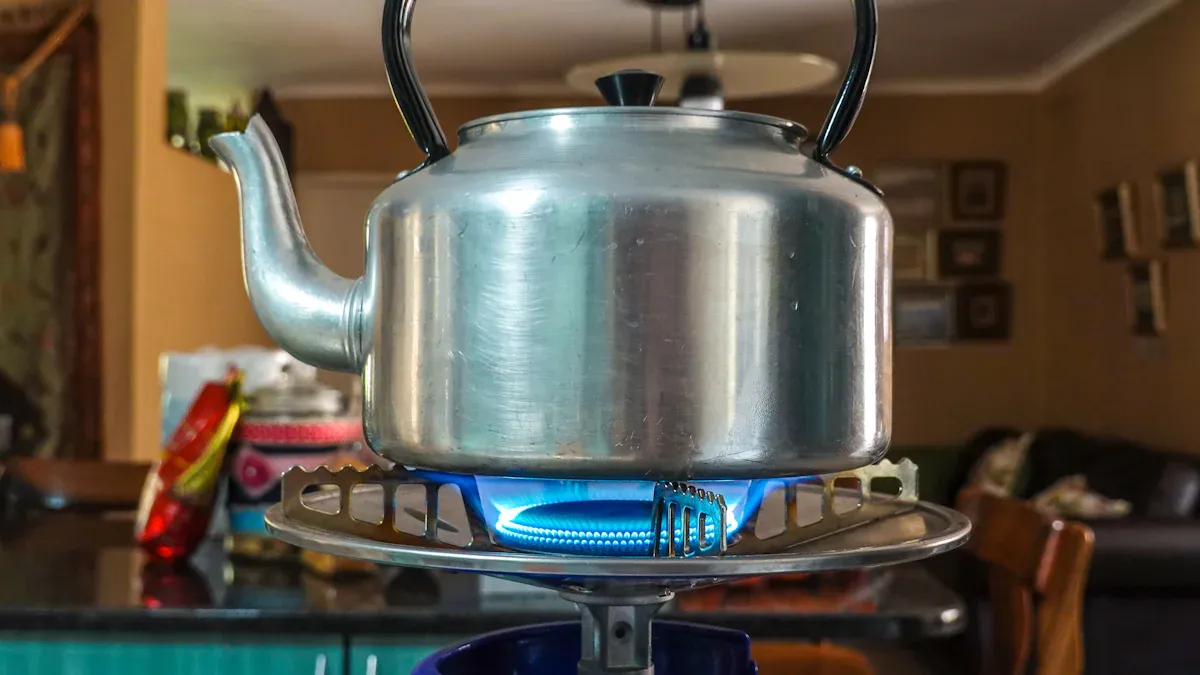
You have several choices for heating your Zinc Kettle. Electric heating gives you precise control over temperature, which helps you keep zinc at the right melting point. However, electric kettles often cost more to operate. Gas heating systems heat up faster and usually lower your energy bills. Some factories use hybrid models that combine both methods. These hybrids balance efficiency and flexibility, making them a smart choice for different production needs.
- Electric kettles offer accurate temperature control but higher operating costs.
- Gas systems heat quickly and save on energy expenses.
- Hybrid models provide both efficiency and adaptability.
Temperature Control Benefits
Temperature control plays a big role in keeping your kettle durable. Modern kettles use advanced technologies to help you manage heat and safety. The table below shows some features that improve performance and protect your equipment:
| Feature | Description |
|---|---|
| Heating Technology | High-speed pulse nozzle gas heating ensures even temperature distribution . |
| Temperature Control | Automatic systems keep temperature within ±2°C tolerance. |
| Monitoring | Full-time monitoring with alarms and failure diagnosis. |
| Efficiency | Zinc liquid stays between 435-450°C; furnace chest below 650°C. |
| Safety | Furnace wall temperature remains under 50°C for operator safety. |
You can also find fully closed, energy-saving furnaces with program-controlled electric power adjustment. These models save over 500,000 KW of energy each year because of good insulation. Maintenance is easy with heat-resistant stainless steel plates. Some equipment runs for 10 years without failure, giving you a long service life.
Effect on Zinc Kettle Longevity
Heating methods and temperature control affect how long your kettle lasts. High temperatures can speed up corrosion and aging. Precise control helps you manage coating thickness and dross formation. Many kettles use multiple thermocouples for automatic adjustments. This keeps the temperature uniform and reduces cold spots.
The table below explains how heating and temperature control protect your kettle:
| Evidence Description | Details |
|---|---|
| Importance of Uniform Heating | The heating surface must be even to avoid high-temperature damage. |
| Temperature Control | Keep furnace chamber below 750°C and zinc temperature under 460°C. |
| Temperature Rise | Increase temperature less than 10°C per hour for safe operation. |
Tip: You should always monitor your heating system and adjust temperatures carefully. This helps your Zinc Kettle last longer and work safely.
Maintenance and Installation
Anti-Corrosion Practices
You must protect your new kettle from corrosion before you use it. Good anti-corrosion practices help your equipment last longer and work better. The table below shows the main steps you should follow before using a new kettle:
| Step | Description |
|---|---|
| 1 | Surface preparation: Clean the surface with degreasing, acid pickling, and fluxing. This helps zinc stick well. |
| 2 | Immersion in molten zinc: Dip the steel in molten zinc to form a strong protective layer. |
| 3 | Finishing: Remove extra zinc and cool the kettle. |
| 4 | Inspection: Check the kettle for quality and make sure the coating is even. |
If you store your kettle for a long time, keep it dry and clean. Cover it to stop dust and moisture from causing rust.
Proper Installation for Expansion
You need to install your kettle the right way to prevent deformation during heating and cooling. When you heat the kettle, the metal expands. If you do not allow for this, the kettle can warp or crack. The table below lists the best installation techniques:
| Technique | Description |
|---|---|
| Staggered Intermittent Welding | Use short, spaced welds to let heat escape and reduce stress. |
| Balanced Welding Technique | Weld both sides evenly to spread out heat and avoid bending. |
| Temporary Symmetry Creation | Put uneven parts together to balance the kettle during installation. |
| Immersion Orientation | Place the kettle in the right position to control how it expands. |
| Modular Fabrication | Galvanize thick and thin parts separately to stop uneven stretching . |
Tip: Always follow these methods to keep your kettle in good shape and avoid costly repairs.
Routine Inspection and Cleaning
You should check and clean your kettle often to keep it working well. Regular maintenance stops small problems from becoming big ones. Here are some important steps:
- Take samples and check aluminum levels in the bath. This prevents surface problems.
- Keep immersion time short to avoid flaking.
- Make sure all holes in parts are large enough. This stops clogging and helps zinc flow.
- Remove trapped zinc with active fettling.
- Watch for roughness, dross, lumps, or stains. These can show up if you do not clean often.
- Skim off ash and flux to keep the surface smooth.
- If you see peeling or flaking, check your process and adjust as needed.
A thick coating can last over 70 years before you need major maintenance, even in tough environments. Following ASTM A123 standards means you start with a strong zinc layer and keep your kettle in top shape.
Regular care helps your Zinc Kettle last longer and keeps your operation safe and efficient.
You can boost the durability of your Zinc Kettle by focusing on the right materials, strong design, and smart heating methods. The table below highlights the most important factors:
| Factor | Description |
|---|---|
| Material Selection | Low-carbon steel prevents dross and extends service life. |
| Structure Integrity | Strong construction protects against leaks and failures. |
| Maintenance | Regular checks and cleaning keep your kettle running smoothly. |
- Schedule routine maintenance.
- Train your staff on best practices.
- Use efficient heating and real-time monitoring for better performance.
These steps help you get the most from your equipment.
Post time: Feb-05-2026