
You need a smart plan when you think about the sale of hot-dip galvanizing production line. Many buyers overlook key details that affect success. Common mistakes include poor surface cleaning, ignoring welding quality, and not checking chemical makeup. Other problems come from bad temperature control, tricky product shapes, rough handling, or skipping final inspections. Use these points to avoid costly errors and make better choices.
- Poor surface preparation leads to weak coatings.
- Bad welding stops zinc from sticking.
- Wrong steel chemistry causes flakes.
- Unsteady temperatures ruin finishes.
- Complex shapes trap air or zinc.
- Rough handling damages coatings.
- Skipping checks hides defects.
Key Takeaways
- Assess your current and future production needs to ensure your galvanizing line can grow with your business.
- Choose a production line that matches your goals, whether it’s energy efficiency, environmental protection, or high output.
- Ensure your line meets industry standards for quality and safety to avoid costly compliance issues.
- Invest in automation and customization options to improve efficiency and adapt to changing market demands.
- Select a reliable supplier who offers strong after-sales support to maintain your production line’s performance.
Production Capacity and Scalability
Assessing Current and Future Output
You need to know how much steel you want to galvanize now and in the future. The hot-dip galvanizing market keeps growing because more people need galvanized steel for buildings and new technology. Cities are getting bigger, and renewable energy projects are on the rise. This means you may need to make more products as your business grows. You should look at your current orders and think about how they might increase.
To measure your output needs, you can use different methods. The table below shows some ways to check your current and future production:
| Method | Description | Limitations |
|---|---|---|
| Collaborative Assessment | Work with galvanizers early to review key factors. | Needs good communication. |
| Chemistry Database | Track steel chemistry and coating results over time. | Needs regular updates and data collection. |
| Fit-Up Verification | Test-fit parts to check clearances and coating thickness. | Takes extra time and resources. |
| Realistic Specifications | Set goals that match what is possible with your materials. | Hard to keep ranges narrow every time. |
Tip: Always plan for more output than you need today. This helps you stay ready for new projects and market changes.
Line Type Selection
You must pick the right type of production line for your needs. Some lines focus on saving energy, while others help protect the environment or boost efficiency. The table below lists the main advantages of different line types:
| Advantage | Description |
|---|---|
| Environmental Protection | Uses chemical methods to lower pollution and costs. |
| Energy Saving | Galvanizes steel wire after annealing, saving energy and time. |
| High Efficiency | Lets hot steel wire go straight into the kettle for faster production. |
Choose a line that matches your products and business goals. If you want to save money on energy, look for energy-saving features. If you care about the environment, pick a line with pollution controls.
Flexibility for Expansion
You should make sure your production line can grow with your business. Flexible lines let you add new features or handle more products. Key factors for flexibility include:
- Controlled temperature for the molten bath.
- Systems to control coating thickness.
- Advanced cooling zones for better product quality.
- Automation for real-time adjustments.
- Ability to make many types of products.
If you plan for flexibility, you can meet new customer needs and handle bigger projects without buying a whole new line.
Quality Standards and Compliance
Coating Consistency
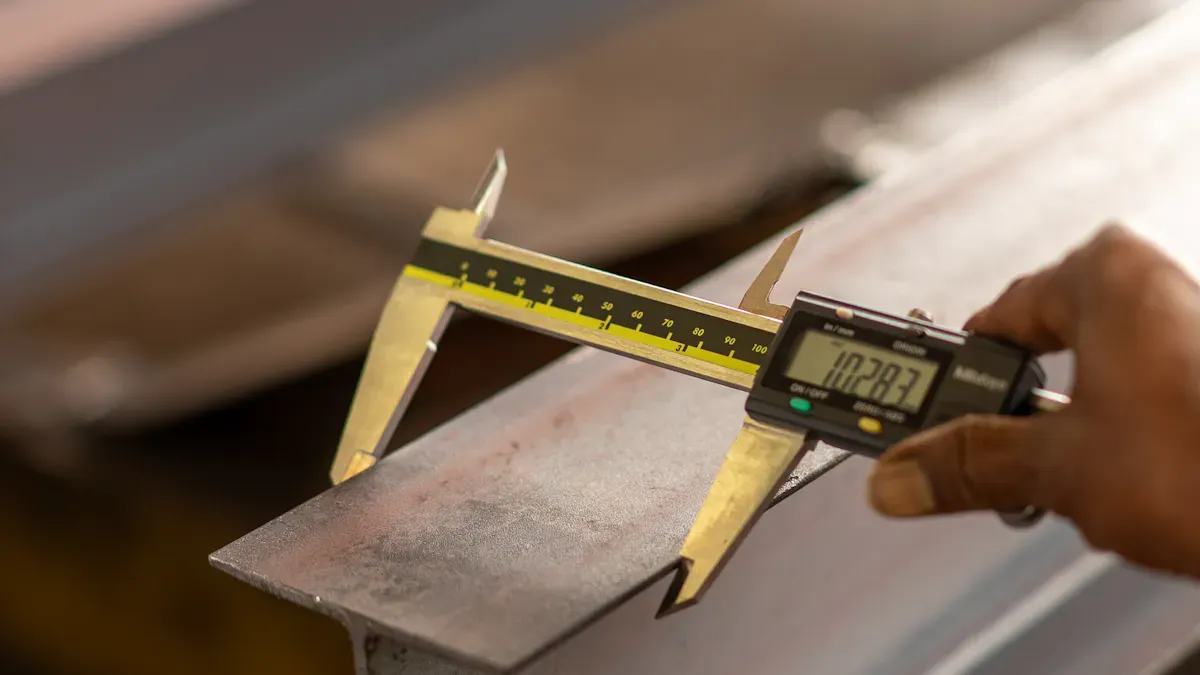
You want every steel part to have a strong and even zinc coating. This helps protect your products from rust and damage. You can check coating consistency by looking at three main indicators:
| Indicator | Description |
|---|---|
| Adherence to the Zinc Coating | The zinc must stick well to the steel. This stops flaking and keeps the coating strong. |
| Uniformity of the Zinc Coating | The zinc should cover the steel evenly. This gives the best protection against corrosion. |
| Rigidity of the Zinc Coating | The coating needs to be hard and tough. This helps it resist scratches and impacts. |
Tip: You should ask for coating test results from your supplier. This helps you see if the line can make consistent coatings.
Meeting Industry Standards
You must follow important rules when you buy a hot-dip galvanizing production line. These rules make sure your products meet safety and quality needs in your country and other markets. The most common standards are:
| Standard | Description |
|---|---|
| ISO 1461 | This rule covers galvanized coatings on iron and steel. It sets the lowest level of performance you must meet. It does not limit how thick the coating can be. |
| ASTM A153 | This rule is for hardware items. It allows special steps, like spinning, to make sure threads and small parts work well. |
You should check if your production line can meet these standards. This helps you avoid problems with customers and inspectors.
Quality Control Systems
You need strong quality control to keep your products safe and reliable. Each step in the pre-treatment line matters. If you skip good cleaning, the zinc will not stick well. If you do not rinse parts, you can ruin the next chemical bath. You should watch every step closely to keep the process smooth.
Modern galvanizing lines use special software for quality control. This software gives you digital records for each batch. You can find information fast and train workers with clear instructions. These tools help you keep the same high quality every time.
- The software gives you digital proof of quality.
- You can find records quickly.
- Workers learn with easy visual guides.
Note: Good quality control saves you money and builds trust with your customers.
Technology, Automation, and Customization
Automation Level
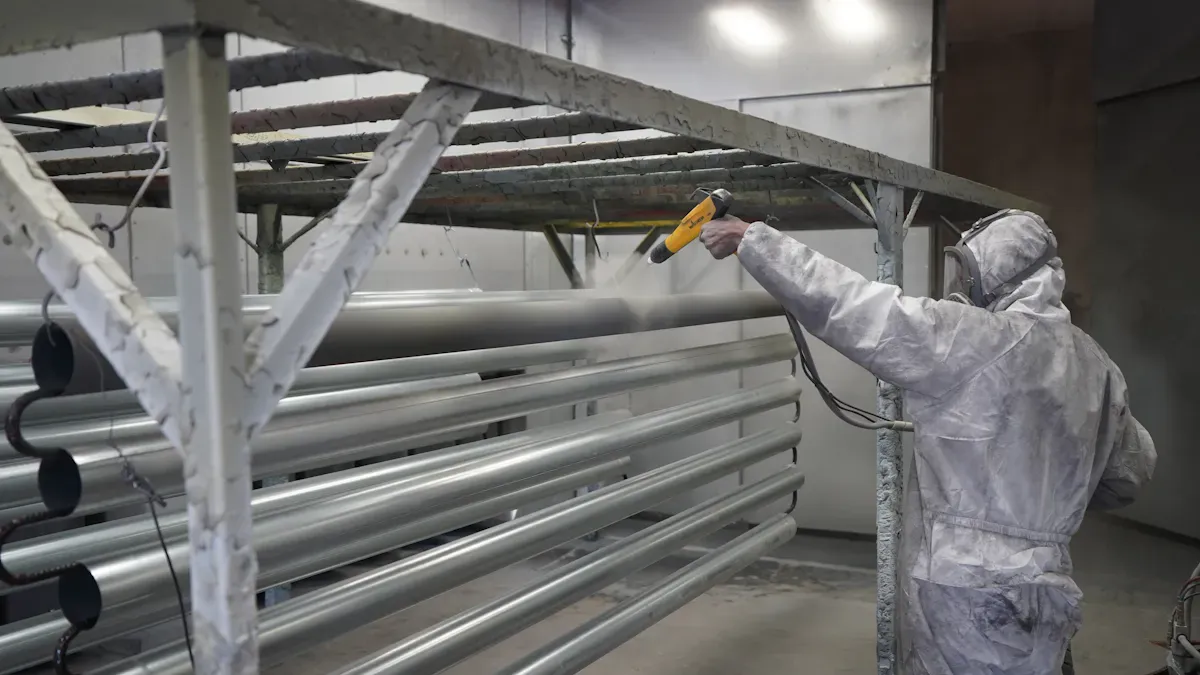
You can boost your production line with the right level of automation. Automation uses advanced tools like air knife systems and special cooling methods. These tools help you control the galvanizing process with great accuracy. For example, air knife systems with moving nozzles spread out imperfections. This reduces streaks and gives your steel a smooth, even coating. Controlled cooling stops defects when the zinc hardens. You get better product quality and fewer mistakes. Automation also speeds up your work and helps you use materials wisely. You can make more products in less time and keep quality high.
Tip: Automated systems help you track every step. You can spot problems early and fix them before they grow.
Customization Options
You need a production line that fits your unique needs. Customization lets you adjust the line for different products, sizes, and workspaces. You can choose features that match your goals and customer demands. The table below shows common ways you can customize your hot-dip galvanizing line:
| Customization Aspect | Description |
|---|---|
| Workpiece Size | Set up equipment for small or large steel parts. |
| Production Capacity | Pick a line that matches how much you want to make. |
| Workshop Layout | Arrange machines to fit your building and workflow. |
| Environmental Requirements | Adjust systems to meet local rules and standards. |
| Strip Dimensions | Change line settings for different widths and thicknesses. |
| Desired Coatings | Choose coating types based on what your clients need. |
You can work with suppliers to design a line that fits your business. This helps you stay flexible as your market changes.
Integration with Existing Systems
You may want to add a new production line to your current setup. This can bring both challenges and rewards. The table below shows what you might face and what you can gain:
| Challenges | Benefits |
|---|---|
| Logistical and operational complexities | Improved durability and corrosion resistance |
| High capital and operating costs | Cost efficiency over the product lifecycle |
| Strict environmental and safety regulations | Uniform and complete coating coverage |
| Material and process control challenges | High productivity and scalability |
| Need for skilled workers | Environmental benefits |
| Market and economic changes | Works with many types of steel products |
You may need to train your team and plan carefully. When you succeed, you get stronger products, save money over time, and meet more customer needs.
Environmental and Safety Considerations
Energy Efficiency
You can lower your energy costs by choosing the right technologies for your hot-dip galvanizing line. Many modern lines use smart energy-saving features. These features help you use less fuel and keep your furnace hot with less waste. The table below shows some of the best energy-saving technologies:
| Energy-Saving Technology | Description |
|---|---|
| Selection of Energy Materials | You can pick gas, blast furnace gas, electricity, or LPG to match your energy needs and save money. |
| Thermal Insulation Improvements | Special bricks and fiber materials keep heat inside the furnace and stop energy loss. |
| Reducing Industrial Exhaust Gas Temperature | High-efficiency burners and radiation tubes lower exhaust heat and recover waste energy. |
Tip: Good insulation and the right energy source can cut your bills and help the environment.
Emission Controls
You must follow strict rules to protect the air and water around your plant. Many countries require you to meet both international and national standards. You need to control chemicals and track pollution from your line. The table below lists key emission control measures:
| Emission Control Measure | Description |
|---|---|
| International Standards | You should follow ISO 14001 and ISO 50001 for managing the environment and energy use. |
| Chemical Management | Use safer chemicals and follow rules like the EU’s REACH regulation. |
| Pollution Control | Use the best available techniques as required by the Industrial Emissions Directive (IED). |
| Monitoring and Reporting | Check emissions often and keep good records with an environmental management system. |
| National Standards | Meet rules like NESHAP under the Clean Air Act for hazardous air pollutants. |
You can avoid fines and protect your workers by following these rules.
Workplace Safety
You must keep your workers safe when they handle hot metals and chemicals. The law sets clear safety standards for hot-dip galvanizing. You need to follow these rules to prevent accidents and injuries. The table below shows important safety standards:
| Standard Section | Description |
|---|---|
| 1926.57(i)(13)(i) | Covers dipping materials in liquids for cleaning or changing surfaces, including galvanizing. |
| 1926.57(i)(13)(ii) | Sets rules for handling molten materials like zinc in the galvanizing process. |
Note: You should train your team on these standards and check your safety equipment often. This keeps everyone safe and your plant running smoothly.
Cost, ROI, and After-Sales Support
Investment and Operating Costs
You need to look at both the money you spend at the start and the money you spend to keep your line running. The sale of hot-dip galvanizing production line often includes many costs. You pay for the machines, setup, and training. You also pay for things like materials, workers, and repairs. The table below shows the main operating costs you should consider:
| Cost Type | Description |
|---|---|
| Material Waste | Continuous galvanizing reduces waste and saves money. |
| Labor Costs | Automation lowers labor costs by needing fewer workers. |
| Maintenance Costs | A steady process means you spend less on repairs and upkeep. |
If you want to save money, choose a line that cuts waste and uses smart machines.
Calculating ROI
You want to know how fast you will get your money back after the sale of hot-dip galvanizing production line. You can use simple math or special formulas to check your return on investment (ROI). The table below lists common ways to measure ROI:
| Formula/Method | Description |
|---|---|
| CAPEX | Shows how much you spend to set up the line. |
| NPV | Tells you how much profit you will make over time. |
| DCFROR | Checks how much money you earn compared to what you spend. |
| DPBP | Shows how long it takes to earn back your first investment. |
You should use these tools to see if the sale of hot-dip galvanizing production line will help your business grow.
After-Sales Service and Maintenance
Good support after the sale of hot-dip galvanizing production line keeps your line working well. You should ask your supplier about these services:
- Installation supervision
- Commissioning services
- Operator training
- Spare parts supply
- Technical help
- Troubleshooting
- Maintenance contracts
Regular maintenance helps your line last longer and work better. You should check and clean your machines often. Fix problems quickly to keep your products strong and safe. This will help you avoid downtime and keep your costs low.
Sale of Hot-Dip Galvanizing Production Line: Supplier Selection
You need to pick the right partner for the sale of hot-dip galvanizing production line. Look for these things in a supplier:
| Criteria | Description |
|---|---|
| Product Quality | Make sure the supplier meets top standards and has certifications. |
| Supplier Reputation | Check reviews and choose a supplier with a good history. |
| Technical Expertise | Pick a supplier who can help with tough projects and give good advice. |
| Steel Chemistry Suitability | Make sure the supplier knows about steel types and how they affect galvanizing. |
| Logistics and Supply Chain | Choose a supplier who delivers on time and keeps products safe. |
You should also look for experience, strong equipment, and good support. The sale of hot-dip galvanizing production line works best when you have a trusted supplier.
Tip: Always ask for proof of quality and support before you decide on the sale of hot-dip galvanizing production line.
You need to check several key points before you buy a hot-dip galvanizing production line. Focus on capacity, quality, technology, compliance, cost, and after-sales support. Many buyers ask about corrosion protection, process steps, and coating durability. You can see the most common questions below:
- How does galvanizing protect steel from corrosion?
- What are the steps in the galvanizing process?
- How does the cost compare to other systems?
You should talk with industry experts. They can help you spot hidden costs, understand market trends, and choose the right supplier for your needs.
Post time: Apr-07-2026