
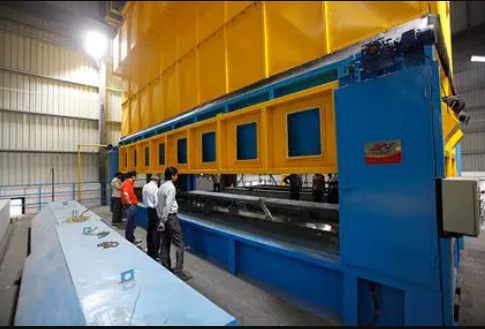
A flux recycling unit reduces metal smelting waste by recovering and regenerating flux materials from slag. This process cuts landfill volume and prevents the loss of valuable raw materials. You recover what would otherwise be discarded and return it to the production cycle.
The unit also captures waste heat from high-temperature flue gas and cooling water. This heat recovery adds an energy-saving dimension to waste reduction. You lower both material waste and energy waste at the same time.
Key Takeaways
- · A flux recycling unit recovers flux from slag. This cuts landfill waste and saves raw materials.
- · The unit captures waste heat from flue gas and cooling water. This lowers energy costs.
- · You save money on flux purchases and disposal fees. You also reduce your environmental footprint.
- · The system uses advanced controls for easy monitoring. You can operate it remotely.
- · Proper maintenance and ROI evaluation ensure long-term savings. You turn waste into value.
What Is a Flux Recycling Unit?
A Flux Recycling Unit is an advanced industrial system that transforms slag and waste materials from metal smelting into reusable fluxes. You feed waste byproducts into this system. It returns them to a form you can use again in your smelting operations. This closed-loop approach keeps valuable materials in production. You stop wasting flux materials that would otherwise become environmental liabilities.
Core Purpose and Components
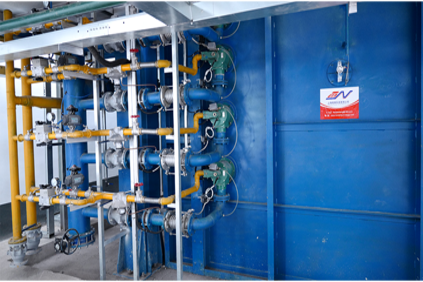
The unit serves one primary goal. It reduces production costs, minimizes waste emissions, and improves resource efficiency. You achieve these outcomes through a carefully engineered system of components. The equipment includes waste residue separation and collection systems, treatment and regeneration devices, and integrated control and monitoring equipment.
The control and monitoring equipment deserves special attention. Modern units include several advanced features:
- ·Real-time monitoring and detection systems track the condition of materials throughout the process.
- ·AI-based contamination detection systems identify unwanted substances automatically.
- ·Spectroscopic analysis examines materials for contamination markers such as chloride ions and carbonyl compounds.
- ·Automated closed-loop recovery systems adjust operations without manual intervention.
- ·Smart contamination isolation barriers prevent impurities from spreading through the system.
- ·Data integration capabilities support quality traceability and predictive maintenance.
These technologies give you full visibility into the recycling process. Remote management through a computer or mobile phone lets you oversee operations from anywhere. Touch-screen controls simplify daily adjustments.
Role in Smelting Operations
The Flux Recycling Unit fits directly into your smelting workflow. Molten metal extraction leaves slag behind. This slag contains flux materials and exits the furnace. The unit collects this slag through its separation systems. It then separates reusable flux from waste. It processes the material through drying, screening, heating, or chemical treatment. Each step restores the material to a quality suitable for smelting. The restored flux then returns to your furnace as a flux or deoxidizer.
You rely on regenerated material from your own operations with each cycle. You no longer purchase new flux for every batch. This change lowers your material costs. It also shrinks your environmental footprint. The unit captures waste heat from high-temperature flue gas. It converts this heat into usable energy for process heating or water heating. The entire system aligns with sustainable production practices. It keeps your operations efficient.
How the Unit Reduces Smelting Waste
You already know the unit recovers flux from slag. Now you need to understand the exact mechanisms. This section walks you through the recovery process and explains how regenerated material returns to your furnace.
Recovery from Slag
The recovery process starts the moment slag leaves your furnace. A Flux Recycling Unit captures this waste stream through dedicated separation and collection systems. You then move the slag through a series of treatment steps. Each step restores the material to a quality you can use again.
Here is the typical sequence:
1. Collect and separate slag from the smelting process using waste residue separation systems.
2. Process the slag through treatment and regeneration devices, including drying, screening, and heating.
3. Use control and monitoring equipment to keep the recycling process efficient and maintain quality standards.
4. Convert the processed slag into usable flux or auxiliary materials for further smelting.
The system also applies closed-circuit reprocessing. You mix membrane concentrate with the raw feed stream. You maintain steady flow rates for feed and permeate. This approach optimizes the separation of flux from contaminants. Chemical separation using hydrogen peroxide and ammonia breaks down impurities. This step separates flux from contaminants effectively.
| Main Step | Description |
|---|---|
| Continuous Treatment of Fluxing Bath | Removes pollutants and reduces zinc consumption |
| Acid-Base Reaction and Oxide Reduction | Corrects fluxing acidity and precipitates iron |
| Regular Tapping and Filtering of Collected Mud | Removes sludge and maintains flux quality |
| Addition of Suitable Reagents | Aids in continuous iron abatement |
| Use of Filter Press | Extracts oxidized iron without affecting essential components |
Regeneration and Reuse
After treatment, the recovered material becomes a usable flux or deoxidizer. You feed it back into your metal smelting process. The regenerated flux performs the same functions as virgin flux. It removes impurities. It protects molten metal from oxidation. It helps control the chemistry of your melt.
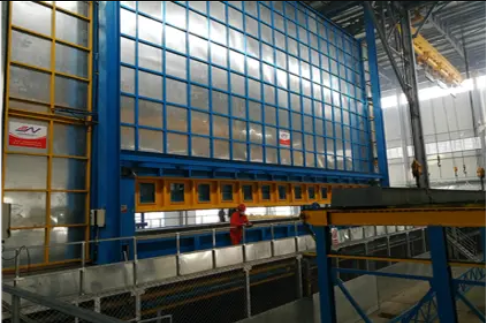
The environmental gains extend beyond waste reduction. You lower your disposal fees. You reduce the emissions tied to producing virgin flux. You also shrink the volume of material that leaves your site as waste. The unit captures waste heat from high-temperature flue gas and cooling water. This heat recovery adds another layer of efficiency. You convert captured thermal energy into hot water or process heating. You support cooling and drying operations without additional fuel.
Benefits of a Flux Recycling Unit
Cost and Resource Savings
You save money in three direct ways when you install a flux recycling system. First, you buy less virgin flux. The unit regenerates material from your own slag. You replace a portion of your raw material purchases with recovered flux. Second, you pay lower disposal fees. Slag that once went to a landfill now returns to your furnace. You shrink the volume of waste that leaves your site. Third, you recover waste heat. The system captures thermal energy from high-temperature flue gas and cooling water. You convert that energy into hot water or process heating. You avoid fuel costs you would otherwise pay to generate that heat.
Environmental and Operational Gains
The environmental benefits follow directly from the material loop. You send less slag to landfill. You reduce the emissions tied to producing virgin flux. You also lower the emissions from transporting waste off-site. Your operation moves toward sustainable production practices. You rely less on raw resources with every recycling cycle.
Operational efficiency improves through waste heat recovery. Consider a hot dip galvanizing furnace. Its flue gas can reach around 400°C. A heat pump captures that thermal energy. You use the recovered heat to generate hot water. You provide process heating for other stages. You support cooling and drying operations without burning additional fuel. This turns a waste stream into a working resource.
Implementation Considerations
Integration and Maintenance
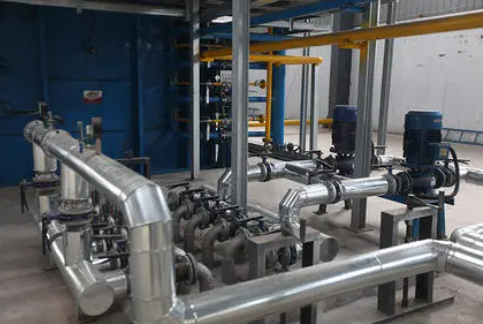
Proper system design starts with a clear picture of your operation. You need to understand three things before you install a flux recycling unit. First, identify your waste heat source. A hot dip galvanizing furnace produces flue gas that can reach around 400°C. Second, map your production conditions. You must know the volume and composition of your slag. Third, measure your energy demand. You need to know how much hot water, process heating, or cooling and drying capacity your plant requires. A thorough understanding of these factors ensures optimal performance and energy savings.
Evaluating ROI
You weigh the capital cost of the unit against three streams of annual savings. The first stream comes from flux reuse. You buy less virgin flux because you regenerate material from your own slag. The second stream comes from waste disposal reduction. You send less slag to landfill, so you pay lower disposal fees. The third stream comes from heat recovery. You capture thermal energy from high-temperature flue gas and cooling water. You convert that energy into hot water or process heating. You avoid fuel costs you would otherwise pay.
To evaluate your return on investment, you compare the total capital cost against the combined annual savings from these three areas. You also factor in operational gains. Remote management and touch-screen operation reduce the labor needed to oversee the recycling process. These features save time and lower your operating expenses. A well-designed system pays back its cost through lower raw material purchases, reduced disposal fees, and significant annual energy savings. You turn a waste stream into a working resource with each smelting batch.
A Flux Recycling Unit cuts smelting waste through three linked actions. It recovers flux material from slag. It regenerates that material into reusable flux. It keeps waste out of landfills. These actions lower your raw material purchases and your disposal fees. They also shrink your environmental footprint.
Waste heat recovery adds an energy-saving layer. You capture thermal energy from high-temperature flue gas, such as the roughly 400°C gas from a hot dip galvanizing furnace. You turn that heat into hot water or process heating. Your operation becomes cleaner and more efficient. Sustainable smelting depends on cycles like this one. You reuse what you already own. You rely less on raw resources with every batch.
FAQ
What types of waste can a flux recycling unit process?
The unit handles slag and waste materials from metal smelting operations. It also captures thermal energy from high-temperature flue gas, cooling water, and solid materials. You reprocess these byproducts into reusable fluxes or auxiliary materials.
How does the system handle contamination in recovered flux?
The unit uses AI-based contamination detection and spectroscopic analysis. These tools identify unwanted substances like chloride ions and carbonyl compounds. Smart contamination isolation barriers then prevent impurities from spreading through the system.
Can you operate the unit remotely?
Yes. The system includes touch-screen controls and remote management features. You monitor and adjust operations through a computer or mobile phone. This flexibility saves time and reduces the labor needed to oversee the recycling process.
What maintenance does the unit require?
You check separation and collection systems for blockages or wear. You inspect treatment and regeneration devices to confirm they restore flux quality. You also verify control and monitoring equipment. Remote management helps you spot issues early and schedule maintenance before problems become costly.
How does waste heat recovery work in this system?
The unit captures thermal energy from high-temperature flue gas and cooling water. A heat pump converts this energy into hot water or process heating. For example, flue gas from a hot dip galvanizing furnace can reach around 400°C. You support cooling and drying operations without additional fuel.
Post time: Oct-08-2026