
You want hot-dip galvanizing equipment that protects the planet. The best systems use natural materials like zinc and iron ore. These resources are easy to find and safe for the environment. Both zinc and steel can be recycled again and again without losing quality. You also need to look for equipment that reduces waste and limits harmful emissions. Top choices meet strict international certifications and come from suppliers who care about sustainability. Check the table below for important criteria:
| Criteria | Description |
|---|---|
| Natural Materials | Hot-dip galvanized steel uses zinc and iron ore, which are abundant in nature. |
| Recyclability | Zinc and steel are infinitely recyclable without losing their properties. |
| Life-Cycle Assessment | Hot-dip galvanized steel offers cradle-to-cradle benefits, cutting waste and impact. |
When you choose Heat-dip galvanizing environmental protection equipment, you make a smart decision for the earth and your business.
Key Takeaways
- Choose equipment made from natural materials like zinc and steel. These materials are abundant and safe for the environment.
- Look for systems that reduce waste and emissions. Features like heat recovery and automated controls can save energy and lower costs.
- Select suppliers who follow international environmental standards. Certifications like ISO 14001 ensure equipment meets strict sustainability guidelines.
- Prioritize equipment with high recyclability rates. Recycling zinc and steel supports a circular economy and reduces environmental impact.
- Use a checklist to evaluate equipment options. This helps you make informed decisions that benefit both your business and the planet.
Key Features of Heat-Dip Galvanizing Environmental Protection Equipment
Energy and Resource Efficiency
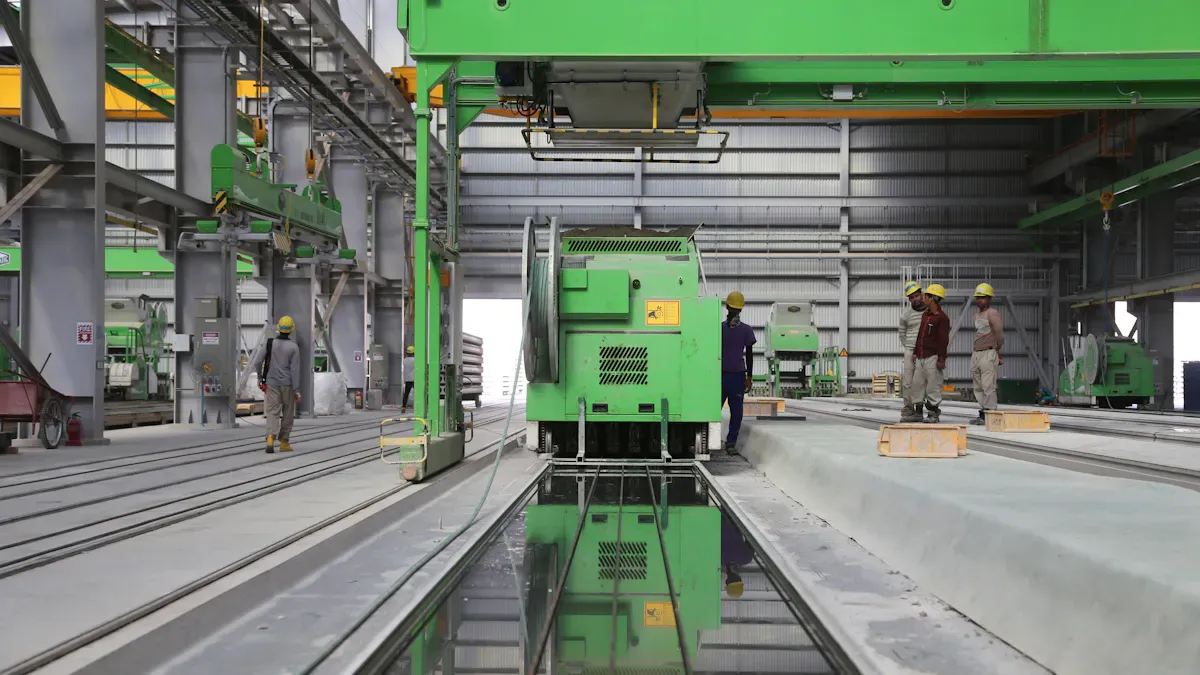
You want equipment that saves energy and uses resources wisely. Heat-dip galvanizing environmental protection equipment uses advanced technology to make the process more efficient. Optimized heating systems and insulation designs help keep thermal energy inside the equipment. Many facilities report energy savings of 10–15% after upgrading to modern systems. Automated machinery boosts productivity and lowers energy use. Digital temperature controls and automated pre-treatment lines reduce operational costs.
You can also find equipment with zinc bath monitoring systems. These systems track the process and help minimize waste. Improved process control means you get better quality with less energy. Some companies use heat recovery technologies. These systems capture leftover heat from galvanizing kettles and use it to preheat incoming steel or support other facility needs. This reduces greenhouse gas emissions and cuts costs.
Tip: Look for equipment with heat recovery and insulation features. These upgrades can save money and help the environment.
Emissions and Waste Reduction
Heat-dip galvanizing environmental protection equipment helps you limit pollution and manage waste. The main sources of emissions include the use of hydrochloric acid in pickling, hazardous waste from cleaning solutions, and emissions from the galvanizing process. Degreasing removes oil or grease, and acid pickling eliminates iron oxides. Fluxing activates the surface for zinc reaction.
Compared to other coating methods, hot-dip galvanizing creates less waste and pollution. Painting uses toxic chemicals and solvents that can harm the environment. Galvanizing uses molten zinc, which produces fewer volatile emissions.
Modern equipment includes several technologies to control emissions and treat waste:
| Technology Type | Description |
|---|---|
| Emission Control System | Minimizes air emissions and ensures compliance with environmental regulations. |
| Waste Water Treatment System | Treats and manages wastewater generated during the galvanizing process. |
| Waste Acid Treatment System | Treats waste acids to reduce environmental impact. |
| Bag Filter | Captures particulate emissions effectively. |
| White Fume Collection Unit | Collects and manages white fume emissions from the galvanizing process. |
| PP Scrubber | Reduces air pollutants and improves air quality. |
| Acid Mist Collection System | Captures and treats acid mists generated during galvanizing. |
You can choose equipment with these features to keep air and water clean. Waste management systems help you treat hazardous materials and reduce environmental risks.
Use of Recyclable Materials
Heat-dip galvanizing environmental protection equipment uses materials that you can recycle. Zinc and steel are the main materials in the process. Zinc has a reclamation rate of 80% and a recycling rate of 30%. Steel has a reclamation rate of 100% and a recycling rate of 70%.
| Material | Reclamation Rate | Recycling Rate |
|---|---|---|
| Zinc | 80% | 30% |
| Steel | 100% | 70% |
You help the planet when you recycle zinc and steel. Recycling zinc reduces waste and supports sustainability. Galvanized steel can be melted down and reused without losing quality. This promotes a waste-free production cycle. Recycling both materials creates a closed-loop system. You conserve resources and lower environmental impact. The long lifespan of galvanized products means you need fewer repairs and replacements. This leads to less resource consumption over time.
Note: Choosing equipment with high recycling rates supports a cleaner and greener future.
Heat-dip galvanizing environmental protection equipment gives you energy savings, cleaner air and water, and materials you can recycle. You make a smart choice for your business and the environment.
Evaluating Suppliers and Certifications
International Environmental Standards
You need to check if your equipment meets international environmental standards. These certifications show that the equipment follows strict rules for protecting the planet. The UL Environmental Product Declaration (EPD) uses a life-cycle assessment to measure the impact of hot-dip galvanized products. It follows ISO standards like 14025, 14040, and 14044. ISO 14001 is another important standard. It helps companies manage their environmental responsibilities. When suppliers follow ISO 14001, they improve energy efficiency and use cleaner technologies. Industry groups, such as the American Galvanizers Association, also set benchmarks for environmental performance.
| Certification Name | Description | Standards |
|---|---|---|
| UL Environmental Product Declaration (EPD) | Measures environmental impact using life-cycle assessment. | ISO 14025, 14040, 14044 |
Tip: Always ask suppliers for proof of certifications. This helps you make sure the equipment meets global standards.
Supplier Sustainability Practices
You should look for suppliers who use sustainable practices. Leading suppliers create less waste and pollution. They avoid toxic chemicals and solvents, making their process safer for workers and the environment. Hot-dip galvanizing supports green building by using durable materials that need fewer repairs. This lowers resource use and helps recycling. Suppliers often use energy-efficient methods and recycle zinc and steel. They also minimize waste and pollution.
| Sustainability Practice | Description |
|---|---|
| Longevity of Protective Coating | Durable structures need less maintenance, reducing waste. |
| Recycling of Zinc | Conserves resources and lowers environmental burden. |
| Minimizing Waste and Pollution | Uses fewer volatile emissions and generates less waste. |
| Energy Efficiency | Consumes less energy than other methods. |
Note: Ask suppliers about their life-cycle assessments and green building certifications.
After-Sales Support and Innovation
After-sales support keeps your equipment running well and helps protect the environment. Regular maintenance ensures safe operation and high-quality coatings. Good support means fewer replacements and less demand for raw materials. Suppliers who offer training and safety tips help you use Heat-dip galvanizing environmental protection equipment efficiently. New innovations, like closed-loop systems and zinc recovery, reduce waste and improve recycling.
- Proper maintenance keeps equipment efficient.
- Safety practices extend equipment life.
- New cleaning processes turn waste into useful products.
Callout: Choose suppliers who offer strong after-sales support and keep up with new environmental technologies.
Balancing Environmental Benefits and Costs
Total Cost of Ownership
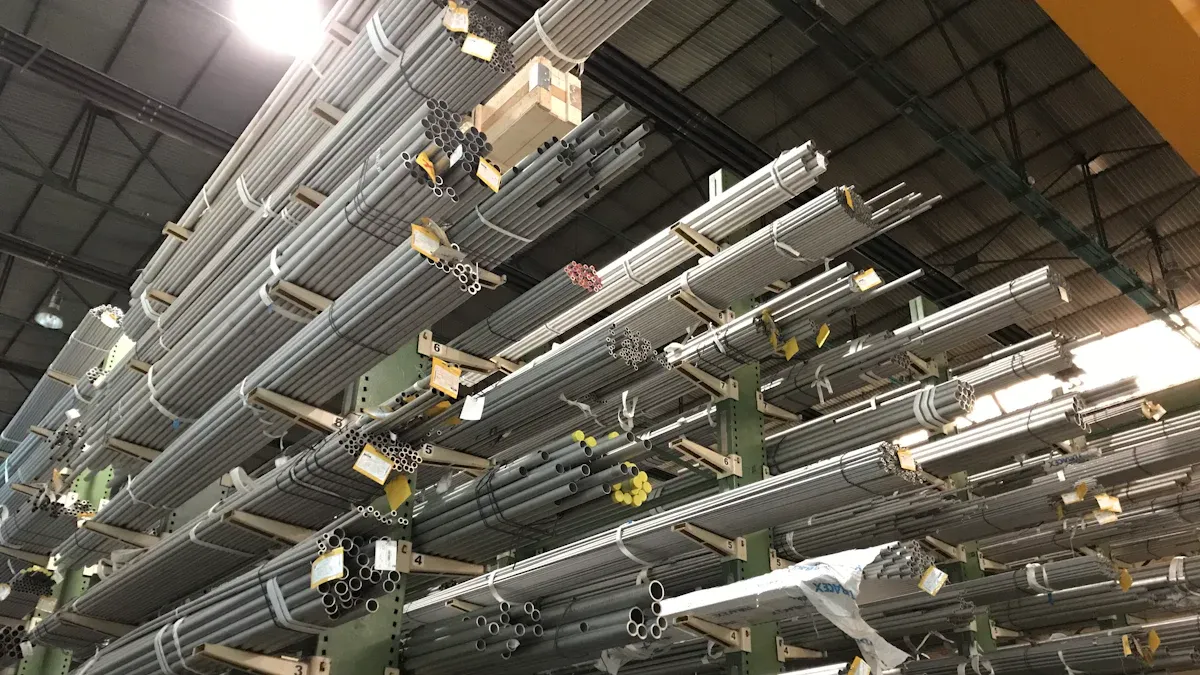
You need to look beyond the initial price when choosing hot-dip galvanizing equipment. The total cost of ownership includes purchase, operation, maintenance, and disposal. Some eco-friendly options, like EonCoat, cost about $2.00 per square foot for mid-to-heavy steel. This can be less expensive than traditional methods for certain applications. For light steel, traditional hot-dip galvanizing may cost less at first. The In-Line galvanizing process can save you over 70% per ton on zinc compared to older methods. It also lets you adjust coating weights quickly, which helps you meet different needs without wasting money.
- The initial cost of hot-dip galvanizing can be up to five times higher than electro-galvanizing for small items.
- Over time, you save money because galvanized steel needs less maintenance and fewer replacements.
- Government incentives, like tax credits and grants, can lower your investment by 15–30% in some regions.
Tip: Consider long-term savings, not just the upfront price. Eco-friendly equipment often pays for itself through lower energy and maintenance costs.
Durability and Lifecycle Impact
You want equipment that lasts a long time and protects the environment. Hot-dip galvanized equipment usually lasts 25–40 years, while pre-galvanized options last 10–20 years.
| Equipment Type | Lifespan |
|---|---|
| Hot-Dip Galvanized | 25–40 years |
| Pre-Galvanized | 10–20 years |
Sustainable galvanizing practices reduce chemical waste and energy use. Closed-loop systems recycle chemicals and water, which means less pollution. Galvanized steel is fully recyclable and needs little maintenance. This lowers your carbon footprint and keeps your operations cleaner.
- Eco-friendly plants use heat recovery and smart layouts to save power.
- You help the planet by choosing equipment that lasts longer and uses fewer resources.
Automation and Operational Efficiency
Modern hot-dip galvanizing equipment uses automation to boost efficiency and cut waste. You get features like programmable controls, automated zinc feeding, and real-time monitoring. These tools help you keep quality high and costs low.
| Feature | Description |
|---|---|
| Precise temperature and timing | Ensures consistent quality control without manual adjustments. |
| Automated hoists and monitoring | Reduces manual labor and enhances safety during the galvanizing process. |
| Safety systems | Includes emergency shutoffs and motion sensors to protect workers. |
Automation also helps you meet environmental rules. Smart systems control emissions and reduce waste. AI-driven solutions let you adjust quickly to customer needs, which means you use only what you need. This makes your plant safer, greener, and more productive.
Note: Automation not only saves money but also helps you protect the environment by reducing waste and emissions.
Practical Steps for Choosing Equipment
Evaluation Checklists
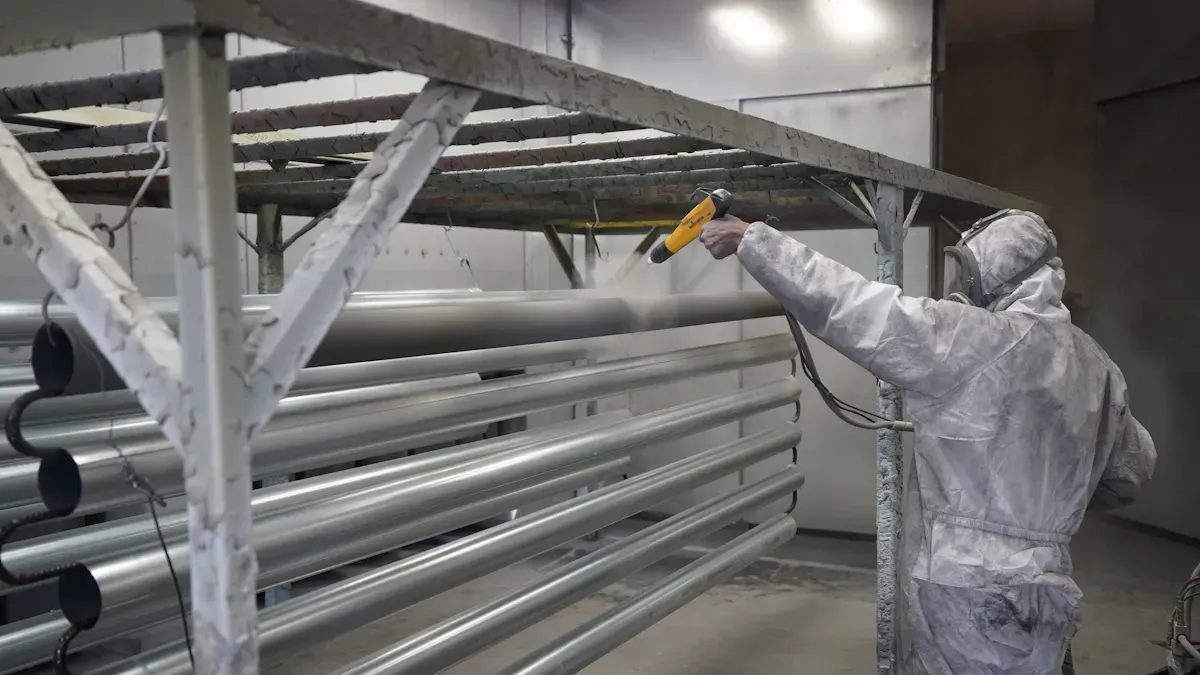
You can use a checklist to compare different hot-dip galvanizing systems. This helps you make a smart and environmentally friendly choice. The table below shows important items to include in your evaluation:
| Essential Item | Description |
|---|---|
| Sustainable option | Hot dip galvanizing protects steel with minimal waste. |
| Infinite recycling of zinc | Zinc can be recycled many times without losing quality. |
| Energy-efficient equipment | High-efficiency furnaces and heat recovery systems lower environmental impact. |
| Water treatment technologies | Systems that recycle and reuse wastewater reduce your carbon footprint. |
| Minimal waste generation | Hot dip galvanizing creates less waste than painting or other methods. |
You should check if each supplier meets these points. This will help you find the best Heat-dip galvanizing environmental protection equipment for your needs.
Questions for Suppliers
You need to ask the right questions to make sure your equipment is truly green. Here are some questions you can use:
- What systems do you use for fume extraction, acid recovery, and wastewater treatment?
- How does your plant design keep workers safe, especially with ventilation and insulation?
- Do you follow all environmental and worker safety rules?
- Can you provide third-party proof of your sustainability claims?
- How do you recycle zinc and manage waste?
You can also ask for training for your team. This helps you check green claims and avoid mistakes. You should set up guidelines for buying equipment that require suppliers to show real proof of their environmental practices.
Red Flags to Avoid
You should watch out for common mistakes when choosing equipment. The table below lists some red flags and how to avoid them:
| Common Pitfall | Error | Correction |
|---|---|---|
| Overgeneralizing Immersion Performance | Using hot-dip galvanizing for pool water immersion without checking | Use the right materials for immersion; do not rely only on atmospheric exposure results |
| Ignoring Chloride Exposure Variability | Using the same coating everywhere | Map exposure zones and match coatings to each area’s needs |
| Unrealistic Maintenance-Free Expectations | Thinking galvanizing never needs maintenance | Plan for regular rinsing and topcoat care, especially in splash zones |
| Neglecting Aesthetic Coordination | Not considering how the finish looks over time | Check if the natural look fits your design or if you need a duplex system for appearance |
Tip: Always ask for documentation and check for third-party verification. This protects you from greenwashing and costly mistakes.
By following these steps, you can choose equipment that supports your business and the environment.
You can make a smart choice by focusing on equipment with strong environmental features and trusted certifications. Always check if suppliers use sustainable practices. Use a checklist to compare options and ask clear questions before you buy. This approach helps you protect the planet and your business. Remember, careful research leads to confident decisions.
FAQ
What is Heat-dip galvanizing environmental protection equipment?
You use Heat-dip galvanizing environmental protection equipment to coat steel with zinc. This equipment helps protect steel from rust. It also reduces pollution and saves energy. You help the environment by choosing this type of equipment.
How does this equipment reduce environmental impact?
You lower emissions and waste with this equipment. It uses advanced filters and recycling systems. You also save energy with heat recovery features. Cleaner air and water result from these improvements.
Can you recycle materials used in the galvanizing process?
Yes, you can recycle both zinc and steel many times. Recycling helps you save resources and reduce waste. You support a circular economy when you choose equipment that uses recyclable materials.
What certifications should you look for?
You should look for ISO 14001 and UL Environmental Product Declaration certifications. These show that the equipment meets strict environmental standards. Always ask suppliers for proof of these certifications.
Why is supplier support important?
Supplier support helps you keep your equipment running well. Good support means you get training, maintenance, and updates. This keeps your process safe and efficient. You also reduce downtime and protect the environment.
Post time: Apr-28-2026