
Choosing the right Galvanizing Production Line Factory starts with knowing your business needs and checking factory capabilities. You should look for quality, compliance, and reliability. Many businesses make mistakes such as focusing only on initial costs, skipping site visits, or ignoring supplier history. Common errors also include poor planning for kettles, effluent treatment, and crane operations. You can avoid these pitfalls by evaluating layout, technology, and reputation before making your decision.
Key Takeaways
- Define your business needs clearly to avoid costly mistakes when selecting a galvanizing factory.
- Evaluate factory capabilities, focusing on equipment quality, technology, and layout for optimal production efficiency.
- Check for industry certifications and compliance to ensure product quality and safety standards are met.
- Consider factories that offer turn-key solutions for streamlined project execution and reduced downtime.
- Prioritize after-sales support to maintain equipment performance and ensure long-term success.
Define Your Business Needs

Before you start searching for a Galvanizing Production Line Factory, you need to define your business needs. This step helps you avoid costly mistakes and ensures you select a factory that matches your goals.
Production Volume & Product Specs
You should estimate your expected output and decide which products you want to galvanize. Production volume affects the type of line you need. Continuous galvanizing works best for high-volume production, such as automotive or construction parts. Batch galvanizing suits smaller, project-based orders but runs slower because of kettle size and handling.
Here are some important product specifications to consider:
- Steel chemistry determines coating quality and thickness.
- Production capacity influences efficiency and output.
- Energy efficiency lowers costs and supports sustainability.
- Coating quality improves durability and corrosion resistance.
- Certification requirements ensure products meet industry standards.
Tip: Each product type needs its own certification, especially for safety standards like NSF 61 for potable water applications.
You can use the following checklist to clarify your requirements:
| Requirement | Description |
|---|---|
| Building Size | At least 40,000 to 50,000 square feet with high ceilings. |
| Space for Operations | Multiple bays for pre-treatment, galvanizing, quenching, and inspection. |
| Utilities | Heavy-duty electrical supply, natural gas lines, wastewater treatment. |
| Future Expansion | Design should allow for more kettles and storage as output grows. |
Quality & Budget Priorities
You must decide how much you want to invest in quality and equipment. High-quality, durable equipment ensures reliable and efficient solutions. You need to balance your budget with the need for competitive pricing and value for money. Investing in better equipment often leads to fewer breakdowns and higher productivity.
- Quality and budget priorities guide your choice of equipment suppliers.
- Reliable equipment supports consistent production and reduces downtime.
- Competitive pricing helps you maximize your return on investment.
Note: Handling equipment, such as cranes and conveyors, must withstand high heat and chemical exposure. Proper ventilation and emissions control equipment are essential for worker safety and regulatory compliance.
When you define your business needs, you make it easier to align your goals with the selection criteria for a Galvanizing Production Line Factory.
Assess Galvanizing Production Line Factory Capabilities
Equipment Quality & Technology
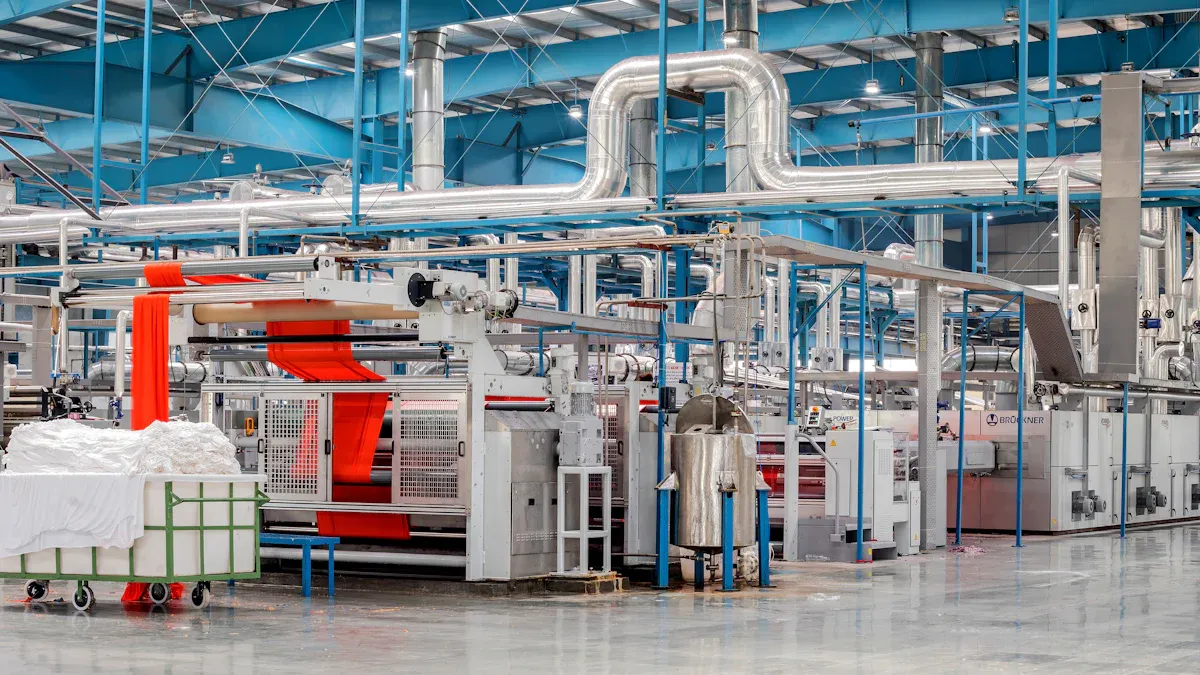
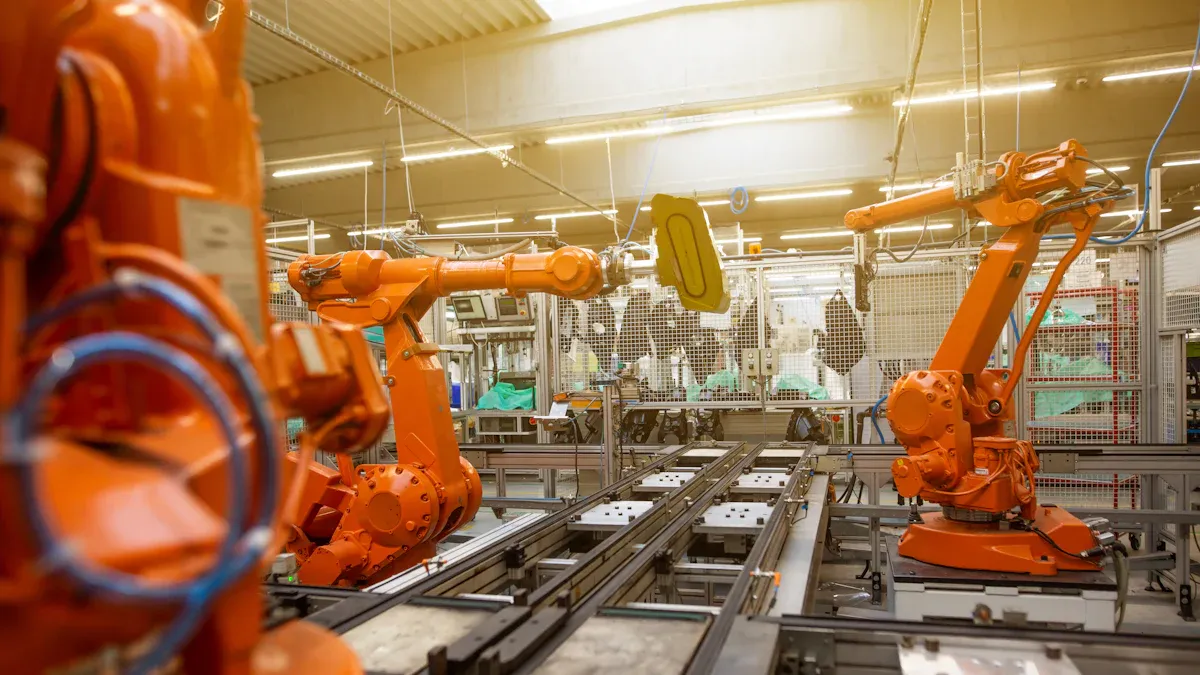
You need to check the quality of equipment and the technology used in each Galvanizing Production Line Factory. High-quality materials and advanced systems help you achieve better results. Modern factories use automation and robotics to improve productivity and product quality. Automated processes reduce mistakes and make sure the zinc coating is even. This gives you stronger and longer-lasting products.
Recent advancements focus on energy efficiency. Custom-engineered systems optimize the galvanizing process and lower energy use. Features like heat recovery and precise temperature controls help you save money and boost performance. Digitalization and data analytics let you spot problems and improve production schedules. Some factories use digital twins to simulate different scenarios. This helps you make better decisions and avoid downtime.
You must also pay attention to maintenance. Regular inspections, cleaning, and calibration keep the equipment running smoothly. This prevents breakdowns and keeps output high.
| Evidence | Explanation |
|---|---|
| High-quality equipment contributes to better maintenance practices. | This ensures the overall performance and quality of the galvanized products is enhanced, leading to increased efficiency in the production line. |
| Regular inspections, cleaning, and calibration are necessary. | These practices prevent downtime and ensure smooth operation, which is critical for maintaining high output levels. |
| Effective maintenance leads to improved productivity. | By prioritizing maintenance, companies can achieve higher quality coatings and increased profitability, directly impacting the efficiency of the galvanizing line. |
Tip: Choose a factory that uses advanced automation and energy-efficient practices. This will help you get the best results and save money.
Factory Layout & Size
You must look at the layout and size of the factory. A good layout helps you work faster and safer. Large buildings with high ceilings are important for handling big steel parts. You need space for kettles, cranes, and storage areas. Custom layouts make it easier to move materials through the production line.
A well-designed factory lets different stages of galvanizing work together smoothly. You need enough space for materials and finished products. This improves workflow and keeps everything organized. You should also think about future growth. Some layouts allow you to add more kettles or storage as your business expands.
| Aspect | Description |
|---|---|
| Layout Design | Essential for maximizing production efficiency and workplace safety. |
| Material Flow Optimization | Custom layouts optimize the flow of materials through the production line. |
| Process Integration | Ensures that different stages of galvanizing work seamlessly together. |
| Storage Areas | Adequate space for materials and finished products to enhance workflow. |
| Future Expansion | Layouts can be designed with potential growth in mind, allowing for scalability. |
- Proactive maintenance
- Advanced automation
- Optimized material handling
- Energy-efficient practices
- Performance monitoring
Note: A smart factory layout helps you avoid bottlenecks and keeps your production line running smoothly.
Turn-Key Solutions
You should consider factories that offer turn-key solutions. These factories handle everything from preparation to coating and finishing. Turn-key solutions give you complete project execution and advanced engineering. You get modern automation technologies that improve productivity and reduce costs.
Choosing a Galvanizing Production Line Factory with turn-key solutions means you get support from start to finish. You receive help with feasibility studies and technical assistance. This makes the setup process quick and easy. You can minimize downtime and lower operational costs. For example, a turn-key solution can increase production capacity by 30%. This boost can lead to higher annual revenue and better product quality. Costs from defects can drop by 25%, which makes customers happier.
- The implementation of the turnkey solution led to a 30% increase in production capacity.
- This increase translated to an annual revenue boost of over $1.5 million.
- Costs associated with component defects decreased by 25%, improving product quality and customer satisfaction.
The setup process becomes faster. You can reduce the time needed for galvanizing from 10 days to just 5 days. This efficiency helps you stay competitive and meet customer demands.
Callout: Turn-key solutions make it easier for you to start or upgrade your galvanizing line. You get expert support and modern technology, which leads to better results.
Check Compliance & Quality Standards
ISO 1461 & Industry Certifications
You should always check if a factory meets important industry standards. ISO 1461 sets the rules for hot-dip galvanized coatings. This standard tells you the minimum thickness for zinc coatings. When a factory follows ISO 1461, you get products that last longer. For example, galvanized fittings with coatings of 120–150 μm can last 35–50 years in harsh places like coastal refineries. ISO 1461 often appears with ISO 9001, which means the factory also has a strong quality management system. Other important certifications include ASTM A123 for structural steel, ASTM A653 for sheet steel, and EN 10346 for European markets.
You should also look for these certifications:
- RoHS for chemical safety, needed in the EU and other markets.
- UL for physical safety, often required in the US.
- EN ISO 12944 for corrosion protection.
Tip: Factories with these certifications show they care about quality and safety.
Environmental & Safety Compliance
You need to make sure the factory follows environmental and safety rules. Many countries have strict laws to protect the environment. China and the EU have tough rules on carbon emissions. The EU’s Carbon Border Adjustment Mechanism adds costs to imports from countries with weak rules. Good factories help you get the right licenses and follow pollution control laws. They also follow workplace safety and labor laws.
Factories use special systems to keep workers safe and protect the environment:
| Safety Systems and Practices |
|---|
| Acid mist extraction |
| Zinc fume filtration |
| Waste acid treatment systems |
| Effluent treatment plants |
| Worker safety equipment and protective gear |
Note: These systems help keep the air clean and workers safe.
Quality Control Processes
You should ask about the factory’s quality control steps. Top factories use a clear process to check every stage:
| Step Number | Quality Control Process |
|---|---|
| 1 | Entry & Cleaning |
| 2 | Annealing Furnace |
| 3 | Zinc Bath |
| 4 | Air Knife Wiping |
| 5 | Coating Gauge |
| 6 | Passivation & Oiling |
| 7 | Inspection & Coiling |
They check things like bath temperature, aluminum content, and iron levels often. This helps prevent problems like bare spots or dross inclusions. Careful control of zinc thickness and coating weight gives you strong, even coatings. Regular inspections and equipment checks stop defects before they happen. When you choose a Galvanizing Production Line Factory with strong quality control, you get better products that last longer.
Evaluate Reputation & Support
Experience & Past Projects
You should always check the experience of a factory before making a decision. A factory with many years in the industry knows how to handle different projects. This experience helps you get better results and avoid common mistakes. Factories that use continuous galvanizing technology can make your process more efficient and reduce waste. You save money because less material goes to waste. Lower production costs help you finish projects on time and stay within your budget. Consistent zinc coating means your products last longer and your customers stay happy.
When you look at past projects, focus on these important criteria:
| Criteria | Description |
|---|---|
| Production Needs | Check if the factory can handle your volume and material types. |
| Technology Used | Review the equipment and systems for quality and efficiency. |
| Manufacturer Reputation | Learn about the factory’s history and reliability. |
| Pricing Structures | Compare costs for equipment, installation, and maintenance. |
| After-Sales Support | Ask about training, spare parts, and ongoing service. |
| Location and Logistics | Think about shipping, setup, and future support needs. |
Client Testimonials
You should read what other customers say about the factory. Client testimonials give you real stories about product quality and service. Positive feedback shows the factory delivers on time and meets high standards. Many customers talk about the strength and flexibility of the products. They also value quick and helpful customer service. Reliable service helps you keep your operations running smoothly.
- Customers often mention strong and durable products.
- Many users highlight the importance of fast and friendly support.
- Good testimonials show the factory cares about quality and deadlines.
Tip: Look for patterns in reviews. Consistent praise for quality and service means you can trust the supplier.
After-Sales Service
You need strong after-sales support for long-term success. Good factories offer help during installation, training for your team, and quick access to spare parts. They also provide maintenance contracts to keep your equipment running well.
| After-Sales Service | Description |
|---|---|
| Installation Supervision | Guidance during setup of the production line. |
| Commissioning | Checks to make sure everything works right. |
| Operator Training | Teaches your staff to use the equipment. |
| Spare Parts Supply | Fast access to parts for repairs. |
| Maintenance Contracts | Ongoing support and regular service. |
After-sales support keeps your equipment in top shape. Regular maintenance and quick help with problems make your investment last longer. You feel more satisfied when you know help is always available.
Compare Costs & Logistics
Pricing & ROI
You need to understand the costs before you invest in a galvanizing line. The main expenses include equipment, labor, and raw materials. Here is a table to help you see the typical cost structure:
| Expense | Estimated Cost |
|---|---|
| Kettle & Furnace | $200K–$1M+ |
| Pretreatment Tanks | $50K–$200K |
| Waste Treatment | $100K–$500K |
| Labor (5–20 workers) | $50K–$200K/year |
| Zinc (Raw Material) | $2,500–$3,500/ton |
Equipment packages for a basic to semi-automatic plant start around ₹1 crore to 3 crore. A complete setup can cost ₹1.5 crore to ₹6 crore or more. Hot dip galvanizing costs range from $0.50 to $2.00 per pound, depending on project size and material thickness.
You should also look at return on investment (ROI). Many businesses see savings that cover their initial investment in less than a year. For example, using AI vision inspection can pay for itself in 8 to 14 months. Some companies report a 340% ROI over three years by tracking financial outcomes with digital tools. Galvanizing offers long-term durability, which lowers maintenance costs and boosts your ROI.
Location & Supply Chain
You need to think about where the factory is located. A good location helps you save on shipping and makes it easier to get raw materials. If your Galvanizing Production Line Factory is close to steel suppliers and customers, you can cut transport costs and speed up delivery. Reliable supply chains help you avoid delays and keep your production on schedule.
- Choose a site near major roads or ports.
- Check if local suppliers can provide zinc and other materials.
- Make sure you have easy access to skilled workers.
Tip: A strong supply chain keeps your operations running smoothly and helps you meet customer deadlines.
Scalability
You should plan for growth from the start. A scalable factory lets you increase production when demand rises. Here are some best practices for scalability:
| Best Practice | Description |
|---|---|
| Plan for Future Growth | Design your plant layout so you can expand easily. |
| Design for Increased Demand | Make sure your processes can handle higher production levels. |
| Develop Modular Plants | Use modular designs to add new lines or equipment as needed. |
If you build with scalability in mind, you can respond quickly to market changes. Modular plants make it easy to add new equipment without major changes. This flexibility helps your business grow and stay competitive.
You can choose the right Galvanizing Production Line Factory by matching your business needs with factory capabilities. Review your checklist before making a final decision. Visit factories or contact suppliers to learn more.
- Compare equipment and layout
- Check certifications and quality
- Ask about after-sales support
Tip: Site visits help you see real operations and ask questions.
FAQ
What is the most important factor when choosing a galvanizing production line factory?
You should focus on factory capabilities that match your business needs. Look for quality equipment, strong certifications, and reliable support. These factors help you get the best results and long-term value.
How can you check if a factory meets safety and environmental standards?
You can ask for copies of certifications and inspection reports. Visit the factory if possible. Look for systems like acid mist extraction and waste treatment. These show the factory cares about safety and the environment.
Why does factory location matter for your business?
A good location reduces shipping costs and delivery times. You get easier access to raw materials and skilled workers. This helps you keep your production on schedule and serve your customers better.
What support should you expect after buying a galvanizing line?
- Installation supervision
- Operator training
- Fast spare parts supply
- Maintenance contracts
Good after-sales support keeps your equipment running well and helps you solve problems quickly.
Post time: Jun-29-2026