
You need to choose screw and nut galvanizing equipment by first understanding your project requirements. Use a quick checklist to help you make fast decisions. Match your equipment to the materials and the environment where you will use it. Watch out for mistakes like ignoring thread tolerance or material compatibility. Focus on durability, corrosion resistance, and pairing the right nuts and bolts for the best results.
Key Takeaways
- Define your project needs by considering factors like environment, load requirements, and corrosion resistance to choose the right equipment.
- Match the galvanizing method, such as hot-dip or electro-galvanizing, to your materials and project environment for optimal durability and performance.
- Check equipment capacity and compatibility with materials and thread types to avoid delays and ensure proper fit and safety.
- Request demos or samples to test equipment performance and consult industry experts for informed decision-making.
- Ensure after-sales support, including maintenance and spare parts, to keep your equipment running efficiently and avoid project delays.
Quick Selection Checklist
Define Project Needs
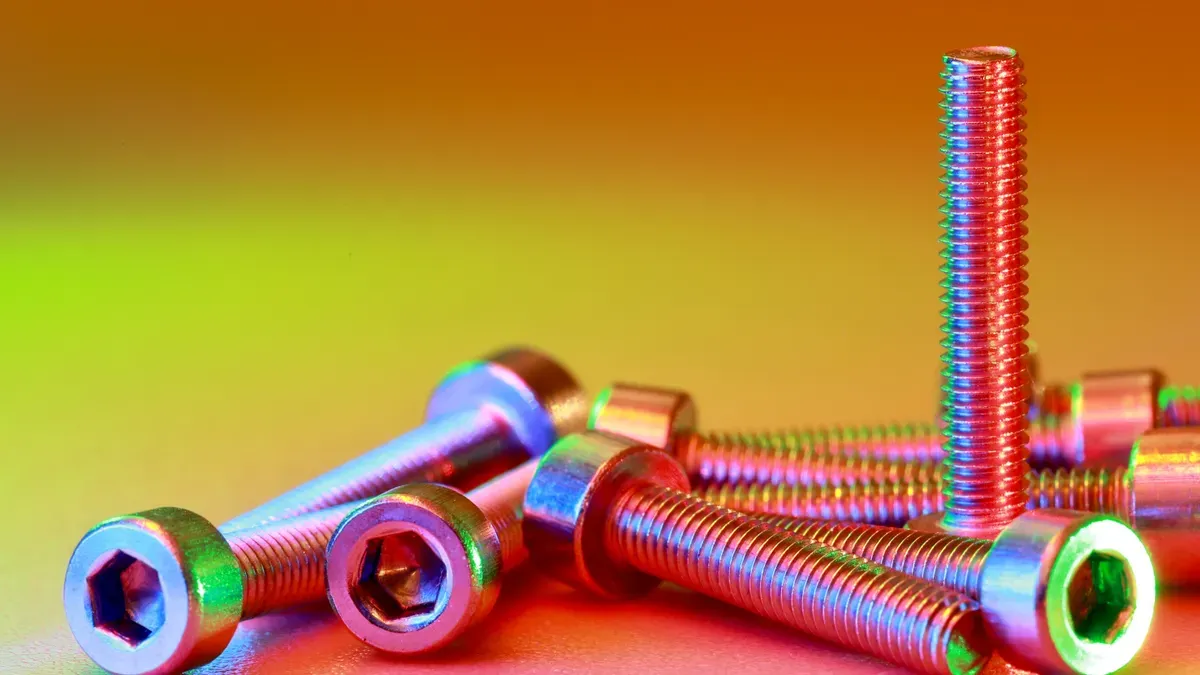
You should start by listing the main goals for your project. Ask yourself what you need the fasteners to do. Think about where you will use them. Will the screws and nuts face rain, snow, or saltwater? Will they need to hold heavy loads or resist corrosion? Write down the answers. This step helps you focus on the right equipment.
Tip: Always check the size and thread type you need. If you use the wrong size, the fasteners may not fit or hold properly.
Identify Key Equipment Features
Look for features that match your project needs. You want equipment that handles the right materials and sizes. Stainless steel and carbon steel offer different levels of strength and corrosion resistance. Make sure the equipment can coat the fasteners well. Check if it supports the thread specifications you need. Think about the load requirements. If your project needs strong fasteners, choose equipment that can handle heavy-duty jobs.
- Material durability matters for outdoor and tough jobs.
- Size and thread specifications help prevent loose connections.
- Load requirements keep your project safe and strong.
Compare Top Options
Now, compare the main coating types and their best uses. Use the table below to see which method fits your environment and project.
| Coating Type | Best For | Pros | Cons |
|---|---|---|---|
| Hot-Dip Galvanizing | Outdoor structures, bridges, marine use | Highly durable, resists weather | Thicker coating may cause fit issues |
| Zinc Plating | Aerospace, vintage machinery | High corrosion resistance | Toxicity concerns |
| Chemical Treatment | Military, automotive, industrial | Good lubrication, reduces friction | Moderate corrosion resistance |
Choose the Screw and Nut Galvanizing Equipment that matches your material, environment, and coating needs. This checklist helps you avoid common mistakes and ensures your fasteners last longer.
Key Factors for Screw and Nut Galvanizing Equipment
Equipment Type & Coating Methods
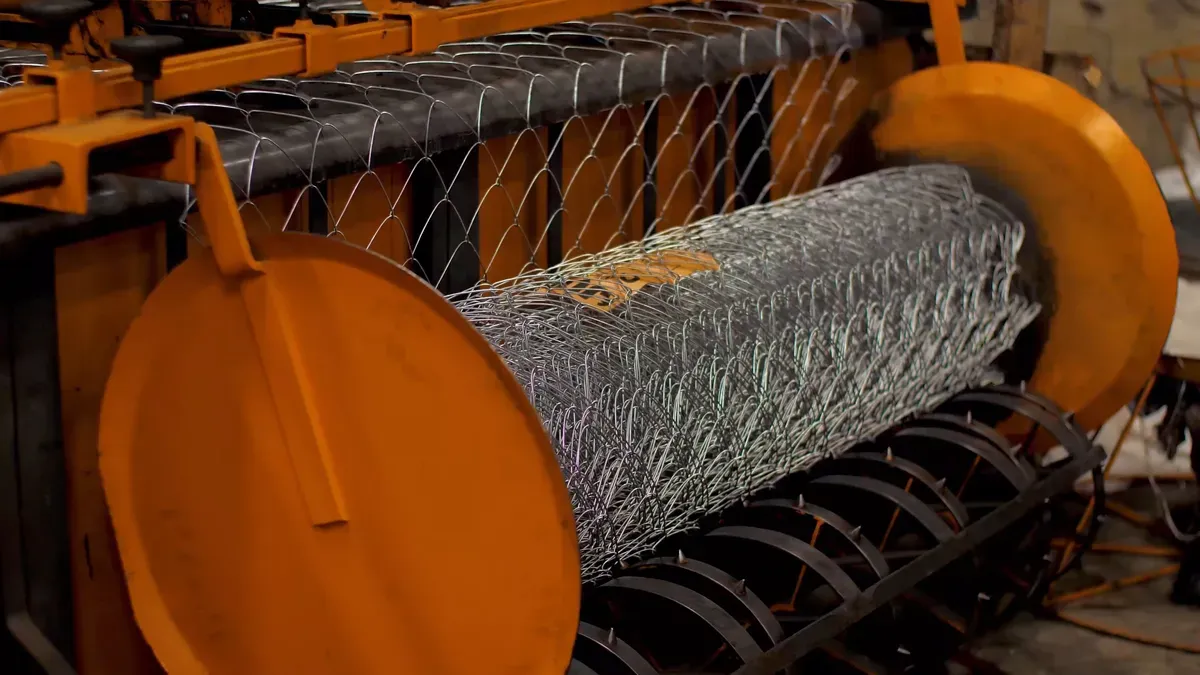
You need to understand the differences between coating methods before you select Screw and Nut Galvanizing Equipment. Hot-dip galvanizing and electro-galvanizing are the most common choices. Each method affects the fasteners in unique ways.
| Feature | Electro Zinc Plated | Hot-Dip Galvanized |
|---|---|---|
| Coating process | Electrolytic | Molten zinc immersion |
| Zinc thickness | 5–12 μm | 45–85 μm |
| Corrosion resistance | Low | Very high |
| Surface appearance | Bright and smooth | Dull gray, rough |
| Service life | Short | Long (up to 30 years) |
| Cost | Low | Medium |
| Outdoor suitability | ❌ No | ✅ Yes |
Hot-dip galvanizing gives you a thick, durable coating. This method works best for outdoor projects and places with harsh weather. Electro-galvanizing creates a thin, shiny layer. You can use it for indoor jobs or small fasteners. The coating thickness changes how the threads fit together. If you choose hot-dip galvanizing, you must adjust the thread size to avoid fit problems.
The triangular thread profile means the coating thickness impacts the pitch diameter about four times more than the actual thickness. You must adjust the pitch diameter for different coating methods.
Capacity & Throughput
You should check the capacity and throughput of the equipment. If you have a large project, you need equipment that can handle many fasteners at once. Small machines work well for low-volume jobs. High-capacity machines save time and reduce labor costs. You must match the equipment size to your project needs. If you choose equipment that is too small, you may face delays. If you pick equipment that is too large, you may waste resources.
Material & Thread Compatibility
You must select equipment that works with the materials and thread types in your project. Different galvanizing methods suit different materials and thread sizes.
| Galvanizing Method | Suitable Materials | Thread Types Considered |
|---|---|---|
| Hot-Dip Galvanizing | Structural steel | Various sizes and strengths |
| Mechanical Galvanizing | Anchor bolts | Specific thread geometries |
| Electroplating | Small fasteners | Limited to smaller threads |
- Hot-Dip Galvanizing fits structural steel and larger parts.
- Mechanical Galvanizing works best for anchor bolts and special thread shapes.
- Electroplating is ideal for small fasteners and limited thread types.
You must pair galvanized nuts and bolts for the best performance. If you use mismatched fasteners, you may face corrosion or fit issues. After plating, nuts are tapped with a larger tap size. This step ensures the nuts fit the bolts after coating. Sometimes, you use bolts with reduced thread size before plating. This practice helps maintain proper fit after the coating process.
Efficiency & Maintenance
You need to consider efficiency and maintenance when you choose Screw and Nut Galvanizing Equipment. Efficient machines use less energy and finish jobs faster. You save money and reduce downtime. Easy maintenance keeps your equipment running longer. You must check if the equipment has simple cleaning steps and easy-to-replace parts.
Material compatibility affects durability and safety. If you use zinc-plated screws with treated wood, you risk early rust and weak joints. Stainless steel fasteners work better with treated lumber. Hot-dip galvanized nails reduce corrosion risk in treated wood. When you attach metal panels to treated wood, you should use a moisture barrier to prevent reactions.
| Material Combination | Compatibility Issue |
|---|---|
| Treated wood (ACQ) | Can lead to rust and structural weakening of fasteners. |
| Concrete | Chemical reactions can weaken the bond with galvanized rebar. |
| Zinc plated screws | Not compatible with treated lumber, leading to early rust. |
| Stainless steel fasteners | Recommended for treated lumber for better compatibility. |
| Hot dip galvanized nails | Work best with treated lumber, reducing corrosion risk. |
| Moisture barrier | Prevents reactions when attaching metal panels to treated wood. |
Tip: Always check the material and thread compatibility before you start your project. This step helps you avoid safety risks and ensures your fasteners last longer.
Assessing Equipment Options
Quality & Reliability
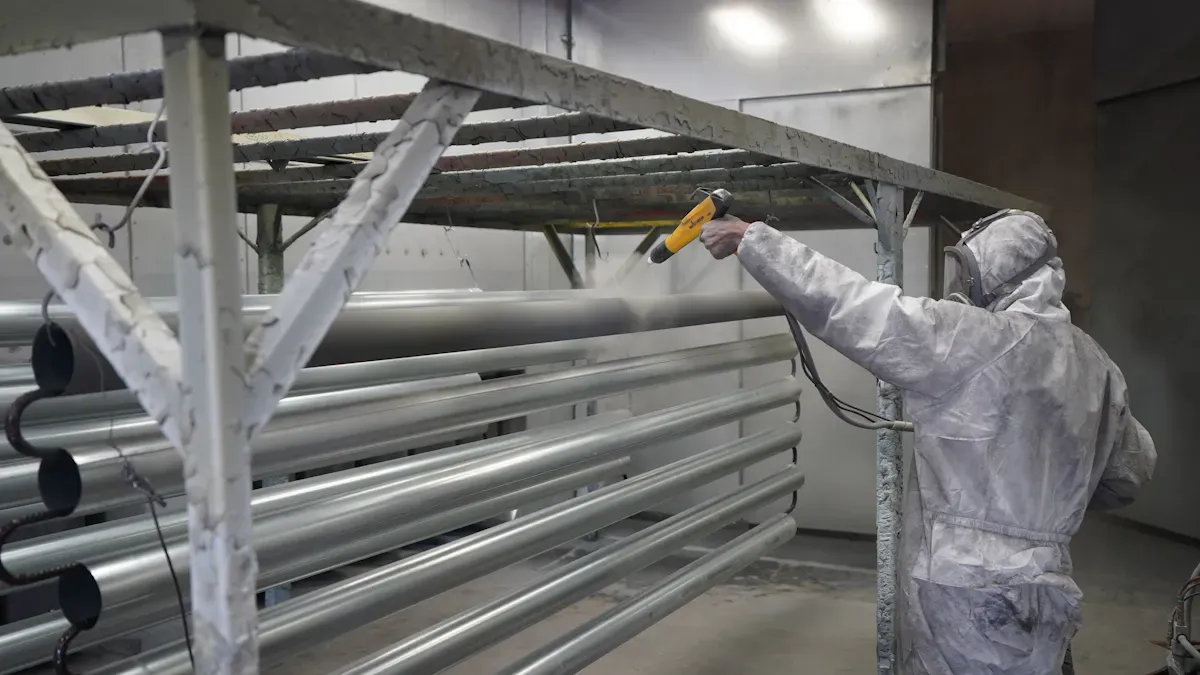
You need to check the quality and reliability of each equipment option before making a decision. Start with a visual inspection. Look for surfaces that are clean and free from oil or dirt. The coating should not be loose or peeling. You want a uniform appearance across all fasteners. If you see heavy stains or thick rust, you should reject those items. Cleaning with solvents removes oil and grease. Light wire brushing helps with white rust. When you install bolts, make sure the threads are clean and the bolts are tight. This step improves slip resistance and keeps your project safe.
- Surfaces must be free from contaminants.
- Coating should not exfoliate or appear loose.
- Uniform appearance signals good quality.
- Reject fasteners with heavy contamination or stains.
- Clean threads and proper bolt tension are important for reliability.
Certifications & Standards
Certifications and standards help you choose equipment that meets industry requirements. You can use the table below to compare the most recognized certifications and organizations.
| Certification/Standard | Description/Organization |
|---|---|
| ISO 9001:2008 Certified | International standard for quality management systems |
| Chicago Metal Finishers Institute (CMFI) | Industry-specific organization for metal finishing professionals |
| National Association for Surface Finishing (NASF) | Association promoting surface finishing technologies and standards |
| American Society for Testing and Materials (ASTM) | Organization developing international standards for materials, products, and systems |
| Department of Transportation (DOT) | U.S. government agency setting standards for transportation-related materials and processes |
Certifications impact performance and safety. For example, the Fastener Quality Act sets strict quality rules for fasteners used in critical jobs. ISO 9001 gives automatic exemption from the Act, making compliance easier. ASTM A153 requires better sampling and quality control, which improves safety.
| Certification | Impact on Performance and Safety |
|---|---|
| Fastener Quality Act (FQA) | Sets strict quality assurance for reliable fasteners. |
| ISO 9001 | Simplifies compliance and maintains quality standards. |
| ASTM A153 | Requires enhanced sampling for higher quality control. |
Tip: Always check for certifications when you select Screw and Nut Galvanizing Equipment. Certified equipment gives you better performance and safety.
User Feedback & Case Studies
You can learn a lot from real-world case studies and user feedback. Up to 30% of fastener failures in factories happen because of corrosion. Advanced coatings like zinc plating and hot-dip galvanizing can increase the life of nuts by 20-30% in tough environments. Nuts treated with special resins resist wear and chemical damage, lasting up to 50% longer than regular nuts.
Real-world testing shows how equipment performs under harsh conditions. For example, nuts tested in places with big temperature changes and corrosive air show different results than lab tests. These findings help you pick the right materials and designs for your project.
Note: User feedback and case studies help you see how equipment works in real life. This information guides you to make better choices.
Verifying Equipment Suitability
Request Demos or Samples
You should always ask for demos or samples before you buy equipment. Testing samples helps you spot problems early. You can check if the fasteners meet your strength and corrosion needs. Manufacturers often provide sample fasteners for testing. Use the table below to see how different tests reveal important details:
| Test Type | Purpose |
|---|---|
| Tensile Testing | Determines the maximum load that fasteners can bear before breaking. |
| Corrosion Resistance Testing | Ensures screws and bolts can withstand harsh conditions and moisture. |
Sample testing gives you real results. You can see if the equipment produces fasteners that last in your project environment.
Consult Industry Experts
You should talk to industry experts when you select equipment. Experts share technical advice that helps you make better choices. They know which machines work best for certain materials and environments. Their insights help you avoid mistakes and choose equipment that fits your needs. Engineers and designers often rely on expert opinions to pick the right tools. You gain confidence when you use advice from people with experience.
Confirm After-Sales Support
You need to check the after-sales support offered by the manufacturer. Good support keeps your equipment running and helps you solve problems quickly. Look for these services:
- Annual Maintenance Contracts
- Spare Parts Supply
- After Sales Service
- Training and Development
- Post Commissioning Support
- Zinc Kettle Replacement
- Plant Upgrading
- Breakdown Emergencies Handling System
After-sales support gives you peace of mind. You know help is available if something goes wrong. You can keep your project on track and avoid long delays.
Tip: Always ask about after-sales support before you buy. Reliable support makes your equipment last longer and keeps your project safe.
You can choose the right Screw and Nut Galvanizing Equipment by following clear steps. First, define your project needs. Next, compare equipment features and check material compatibility. Matching equipment to your project and environment improves durability, lowers costs, and boosts performance.
- Selecting the right materials creates strong, lasting joints.
- Choosing equipment that fits your application and environment leads to better results.
Use the checklist and technical tips for confident decisions. Before you buy, research options, consult experts, and verify equipment.
| Call to Action | Description |
|---|---|
| Primary CTA | Engage with brands or content to guide your next step. |
| Secondary CTA | Take smaller steps if you are not ready to commit. |
Set a clear goal and use prompts that inspire action.
FAQ
What is the difference between hot-dip and electro-galvanizing?
Hot-dip galvanizing dips fasteners in molten zinc. Electro-galvanizing uses electricity to coat them. Hot-dip gives thicker, stronger protection. Electro-galvanizing creates a smoother, thinner layer.
How do I know which coating is best for my project?
You should check your environment. Use hot-dip for outdoor or wet areas. Choose electro-galvanizing for indoor or light-duty jobs. Ask an expert if you are unsure.
Can I use galvanized nuts with non-galvanized bolts?
No, you should always pair galvanized nuts with galvanized bolts. This prevents rust and fit problems. Mixing them can cause early failure.
How do I maintain galvanizing equipment?
Clean your equipment often. Check for worn parts. Replace damaged pieces quickly. Follow the manufacturer’s instructions for best results.
Post time: Jun-15-2026