
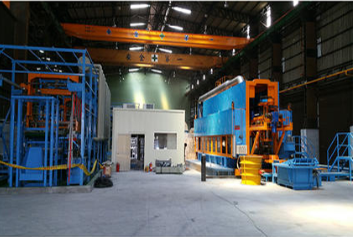
Small parts galvanizing lines stand out because you get advanced automation, smart control systems, and impressive energy-saving features. In industries like automotive and construction, you rely on these lines for durable, corrosion-resistant results.
- The hot dip galvanizing market expects a 5.2% annual growth rate from 2025 to 2035, driven by strong demand in vehicle manufacturing and urban infrastructure projects.
- You benefit from optimized manufacturing processes that minimize environmental impact and support recycling.
| Metric | Baseline (MJ/tonne) | Improved (MJ/tonne) | Reduction (%) |
|---|---|---|---|
| Energy Requirement | 399.3 | 307 | 23 |
These features help you achieve high efficiency and quality with every batch.
Key Takeaways
- Advanced automation in galvanizing lines boosts efficiency and reduces labor costs, allowing for faster production.
- Proper surface preparation is crucial; cleaning techniques like degreasing and pickling prevent coating failures.
- Using automated material handling systems enhances safety and minimizes damage to small parts during the galvanizing process.
- A well-designed zinc bath ensures strong, uniform coatings, while monitoring temperature and composition is key to quality.
- Post-treatment processes like drying and cooling improve the durability of galvanized parts, ensuring long-lasting protection.
Surface Preparation
Cleaning Techniques
You need to start with proper cleaning when preparing small parts for galvanizing lines. Cleaning removes oil, grease, rust, and other contaminants from metal surfaces. If you skip this step or do it poorly, you risk coating failures. In fact, about 75% of all coating failures in galvanizing come from improper surface preparation. You can use several cleaning techniques to get the best results:
- Degreasing helps remove oils and lubricants.
- Pickling uses acid to clean away rust and mill scale.
- Fluxing prepares the surface for zinc coating and improves adhesion.
You should always match your cleaning method to the type of metal and the condition of the parts. Mechanical cleaning, like brushing or blasting, works well for tough contaminants. Chemical cleaning is better for fine particles and residues. You want to make sure every part is clean before moving to the next step.
Tip: Always check the concentration and temperature of your cleaning solutions. This helps you keep your process consistent and effective.
Pretreatment Efficiency
Efficient pretreatment makes a big difference in the quality of your galvanizing lines. You can use advanced equipment to handle and process small parts quickly and safely. The hexagonal drum and gantry traveling trolley structure boost pretreatment efficiency by improving how you move and treat each batch.
| Structure Type | Impact on Efficiency |
|---|---|
| Hexagonal Drum and Gantry Trolley | Enhances handling and processing of small parts, crucial for high-quality galvanization. |
You face challenges like surface contamination, poor adhesion, and inconsistent cleaning. You can solve these problems by:
- Removing contaminants before galvanizing.
- Adjusting cleaning methods for different materials.
- Keeping your cleaning solutions fresh and at the right temperature.
Industry standards help guide your process. You can follow ISO 1461 for specifications on hot-dip galvanized coatings. ASTM D6386/D6386M gives you advice on preparing zinc-coated surfaces for painting. ASTM A780/A780M covers repairs, and AMPP Guide 21550 helps with fire protection coatings.
You get better results when you follow these standards and use efficient equipment. Your small parts will have strong, long-lasting zinc coatings that protect them in tough environments.
Material Handling in Galvanizing Lines
Automated Systems
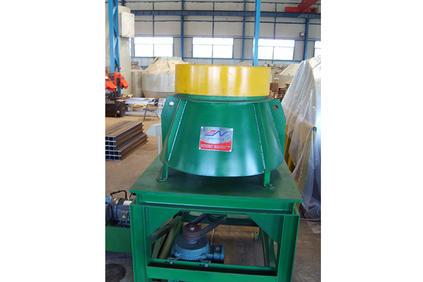
You can boost the efficiency of your galvanizing lines by using automated material handling systems. These systems help you move small parts safely and quickly through each stage of the process. Common types include:
- Overhead cranes
- Hoists
- Conveyor systems
Automation gives you precise control and monitoring. You can see the benefits in the table below:
| Evidence Type | Description |
|---|---|
| Automation Systems Integration | Advanced automation systems provide precise control and monitoring. |
| Material Handling Upgrades | Upgrades lead to faster, safer, and smoother operations. |
When you use automation, you reduce labor costs and improve safety. Automated systems also increase throughput, so you can process more parts in less time. You keep your workers safe by limiting their exposure to hazardous conditions.
| Impact | Description |
|---|---|
| Labor Costs | Automation reduces labor costs by streamlining processes and improving efficiency. |
| Throughput | Enhanced throughput is achieved through greater consistency and safety in operations. |
| Safety | Automation minimizes worker exposure to hazardous conditions, improving overall safety. |
You will notice that efficient material handling increases your production output and helps you stay competitive in the market.
Damage Prevention
Handling small parts can be tricky. You want to avoid damage and loss during the galvanizing process. Specialized equipment helps you protect sensitive items and keep everything in top condition. Some solutions include:
- Special protection for sensitive items
- Use of cushioning and bracing
- Compliance with industry regulations
You can use automated guided vehicles (AGVs) and industrial robots for precise handling. These tools reduce the risk of damage and improve accuracy. Packaging solutions, such as cushioning and bracing, protect your parts during storage and transport.
| Equipment Type | Description |
|---|---|
| AGVs | Automated vehicles that transport materials without human assistance, reducing potential injuries and efficiency loss. |
| Industrial Robots | Used for precise handling of small parts, enhancing accuracy and reducing damage during operations. |
| Packaging Solutions | Includes cushioning and bracing to protect sensitive items during storage and transit. |
By using these methods, you improve operational efficiency and reduce waste. You also lower your operating costs and help create a cleaner, greener process. When you invest in advanced material handling, your galvanizing lines deliver better results and longer-lasting products.
Zinc Bath and Rotary Device
Bath Design
You rely on a well-designed zinc bath to achieve strong, uniform coatings on small metal parts. The bath keeps zinc at a temperature of about 450°C, which helps the zinc bond tightly to the steel. You need to make sure the steel surface is clean before dipping, because dirt or oil can block the zinc from sticking. The bath’s composition, including purity and additives, affects the final coating’s strength and appearance. You also control the flux concentration to prepare the steel for zinc adhesion.
Modern zinc baths use advanced features to boost efficiency. You see improvements in coating quality and energy savings. Automation and digital monitoring systems help you keep the zinc thickness consistent and lower your costs. You can check the table below to see how bath design features contribute to process efficiency:
| Feature | Contribution to Process Efficiency |
|---|---|
| Uniform Coating | Ensures complete coverage, enhancing corrosion protection. |
| Total Immersion | Guarantees consistent coating thickness, improving durability. |
You notice that moderate coating thickness uses less energy. For example, average LPG consumption drops by almost 39% compared to excessive thickness.
| Coating Thickness Level | Average LPG Consumption (kg/shift) | Energy Reduction (%) |
|---|---|---|
| Excessive | 325 | N/A |
| Moderate | 199.33 | 38.67 |
Centrifugation Process
You use a rotary galvanizing device to spin the drum after dipping the parts in zinc. This step removes extra zinc and creates a smooth, even coating. The rotary device also helps reduce heat loss and lowers zinc ash production, making your process cleaner and more efficient. You can run this device at traditional hot-dip galvanizing temperatures, so you get reliable results every time.
Recent advancements in galvanizing lines include better batch and continuous processes. These innovations help you meet the demand for high-strength steels and prevent problems like coating overgrowth. You also see new pre-coating techniques that protect against liquid metal embrittlement. By using these technologies, you improve product quality and keep your operation running smoothly.
Tip: Always monitor your bath temperature and drum speed. This helps you maintain coating quality and save energy.
Post-Treatment Processes
Drying and Cooling
You need to protect small metal parts after they leave the zinc bath. The post-treatment device dries and cools each batch, making sure the zinc coating stays strong and smooth. Rapid cooling, like quenching, helps improve the coating’s properties. Air cooling gives you a controlled environment, which reduces defects and keeps the coating uniform. Passivation adds another layer of protection, lowering the risk of corrosion and boosting durability.
| Post-Treatment Process | Advantages |
|---|---|
| Quenching | Rapid cooling enhances coating properties. |
| Air Cooling | Controlled cooling minimizes defects. |
| Passivation | Reduces corrosion risk and increases durability. |
| Coating Thickness Measurement | Ensures quality control and compliance with standards. |
You can also use chemical conversion coatings to prevent wet storage stains. Powder coating adds extra protection and improves the look of your parts. Epoxy-based sealants and polyurethane top coats extend the lifespan of galvanized small parts. Chromate passivation can cut corrosion rates by more than half in tests.
Quality Assurance
You want every batch to meet strict standards. Inspection starts with checking the surface for any flaws. You use electronic tests to measure the thickness and purity of the zinc coating. The quality of protection depends on how thick, pure, and complete the zinc layer is. You track key metrics like corrosion rate and coating thickness to make sure your process works well.
| Measurement Technique | Description |
|---|---|
| Air Knife Systems | Regulate zinc coating thickness. |
| Mechanical Wiping | Control coating weight for consistent quality. |
| X-ray Fluorescence | Provide real-time feedback for accurate monitoring. |
| Magnetic Methods | Measure coating weight precisely. |
| Gravimetric Analysis | Determine exact coating weight and ensure compliance. |
| Statistical Process Control | Monitor measurement stability and accuracy. |
You follow standards from ASTM, ISO, and JIS to meet market and regulatory needs. Regular calibration and verification keep your measurements accurate. If you spot defects like black spots, you take action by improving cleaning, adjusting chemistry, and removing excess dross. These steps help you deliver long-lasting protection and reliable results from your galvanizing lines.
You set your operation apart when you choose galvanizing lines with advanced automation, efficient material handling, and innovative bath design. These features help you lower costs, boost productivity, and extend the life of your products.
Hot-dipped galvanizing helps steel resist rust, preserve its appearance, and extend its lifespan in harsh environments, improving the durability of parts and products.
| Feature | Benefit |
|---|---|
| Corrosion resistance | Extends service life of products, reducing replacement costs. |
| High thermal insulation | Enhances operational efficiency, leading to lower energy costs. |
| Structural integrity | Reduces the need for repairs, contributing to overall cost savings. |
| Maintenance-friendly features | Lowers maintenance costs and downtime, improving productivity. |
| Longevity | Ensures long-lasting performance, minimizing the frequency of replacements. |
When you select a galvanizing line, consider these factors:
- Quality of equipment
- Reputation of the manufacturer
- Customization options
- Technical support and service
- Cost considerations
You make a smart investment when you focus on these features for your small parts production.
FAQ
What types of small parts can you galvanize with these lines?
You can galvanize nuts, bolts, screws, washers, and other small metal components. These lines work well for parts used in automotive, construction, and manufacturing industries.
How does automation improve your galvanizing process?
Automation helps you control each step with precision. You get consistent coating quality, faster production, and lower labor costs. Automated systems also improve safety for your workers.
What temperature should you maintain in the zinc bath?
You should keep the zinc bath at around 450°C. This temperature ensures strong bonding between zinc and steel, giving you a durable and uniform coating.
How do you prevent damage to small parts during handling?
You use specialized equipment like hexagonal drums and gantry trolleys. Automated robots and protective packaging help you avoid scratches, dents, and loss of parts.
Why is post-treatment important for galvanized small parts?
Post-treatment, such as drying and cooling, protects the zinc coating. You get better corrosion resistance and longer-lasting parts. Quality checks during this stage ensure reliable results.
Post time: Jan-27-2026