
A galvanizing furnace is an industrial enclosure that heats steel to very high temperatures so you can coat it with zinc. When you dip steel into molten zinc inside this furnace, you create a strong barrier that protects the metal from rust and damage. Galvanizing makes a big difference in how long steel lasts. For example, galvanized steel can last up to four times longer than untreated cold-rolled steel, as shown below:
| Steel Type | Lifespan Increase (times) |
|---|---|
| Galvanized Steel | 2.5 – 4 |
| Untreated Cold-Rolled Steel | 1 (baseline) |
You will find that a Galvanizing Furnace Factory plays a key role in making sure steel products stay strong and reliable for many years.
Key Takeaways
- A galvanizing furnace coats steel with zinc, creating a protective layer that prevents rust and extends the steel’s lifespan significantly.
- The hot-dip galvanizing method ensures complete coverage of steel, protecting even hard-to-reach areas from corrosion.
- Modern galvanizing furnaces use advanced temperature control systems to maintain optimal conditions, ensuring high-quality zinc coatings.
- Galvanized steel is cost-effective and environmentally friendly, requiring less maintenance and offering long-term durability.
- Safety features in galvanizing furnaces protect workers from heat and fumes, making the workplace safer and more efficient.
Galvanizing Furnace Overview
What Is a Galvanizing Furnace
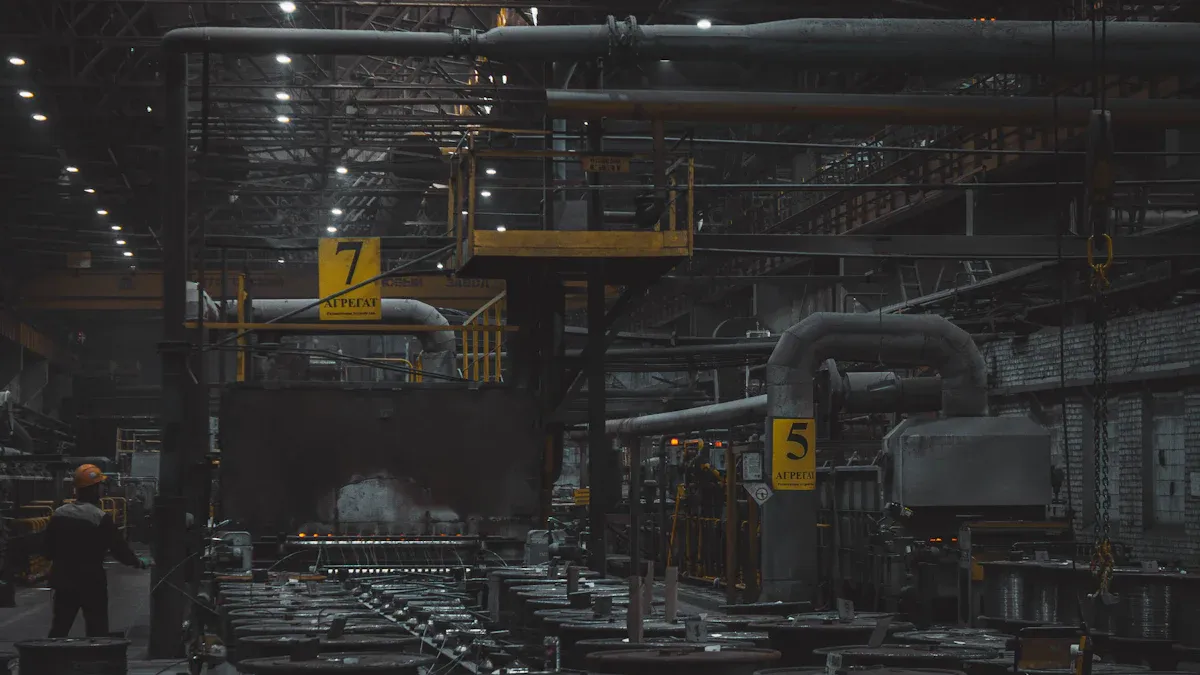
You use a galvanizing furnace to heat steel and coat it with zinc. This process creates a strong layer that protects steel from rust and damage. The furnace is a large, industrial enclosure designed to reach very high temperatures. You will find several types of galvanizing furnaces in factories. Each type uses a different heating technology and serves specific purposes. Here is a table that shows the main types:
| Furnace Type | Heating Technology | Temperature Range (°C) | Applications |
|---|---|---|---|
| ANDRITZ Direct Fired Furnace | Direct Fired | 680-750 | High Strength Steel preparation, strip cleaning, galvanizing, and galvannealing processes. |
| Radiant Tube Heating | Radiant Tube | 900-920 | Annealing processes using ON/OFF recuperative or regenerative burners. |
| Induction Heating | Induction | N/A | Temperature boosting in specific atmospheres (H2 and N2) with patented coil protection technology. |
The furnace uses a zinc kettle made from special steel with low carbon and silicon. This material gives the kettle strength to handle high temperatures and collisions with molten zinc. You can rely on the furnace to keep the zinc at the right temperature for the coating process.
Tip: The design of the furnace impacts how well the zinc sticks to the steel. If you control the temperature and immersion time, you get a uniform coating that lasts longer.
Main Functions and Benefits
The main function of a galvanizing furnace is to protect steel from corrosion. You achieve this by dipping steel into molten zinc, which forms a tough, thick layer. This layer shields the steel from moisture and oxygen. You also get several other benefits:
- Higher Corrosion Protection: The zinc coating keeps steel safe from rust and extends its life.
- Self-Healing Protection: Zinc covers scratches and exposed edges, so the steel stays protected.
- Uniform Coverage: You get a complete coating, even on hard-to-reach areas.
- Cost-Effectiveness: Galvanizing costs less over time because you do not need much maintenance.
- Durability: The coating can last up to 50 years or more.
- Maintenance-Free: You spend less time and money on repairs.
- Environmentally Friendly: Zinc is recyclable, and the process does not use harmful materials.
- Long-Term Cost Efficiency: You pay more at first, but you save money because the steel lasts longer.
Galvanized steel lasts for decades, much longer than uncoated steel. You can see that hot-dip galvanizing is more effective and economical than paint systems, which need regular maintenance and repainting. By using a galvanizing furnace, you make steel stronger, safer, and more reliable for many years.
Operation Process
Key Components
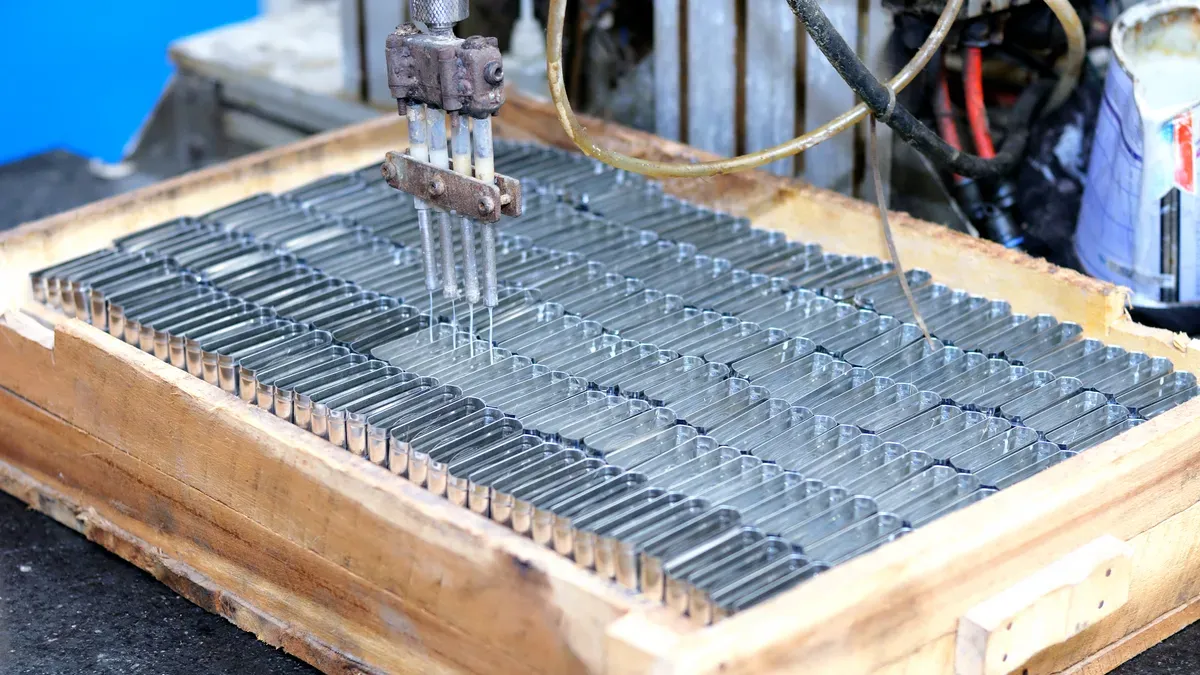
You will find that a modern galvanizing furnace uses several essential components to prepare and coat steel. Each part plays a specific role in making sure the zinc coating is strong and even. Here is a table that shows the main components and their functions:
| Component | Description |
|---|---|
| Degreasing Tanks | Remove oils, dirt, or paint from steel before galvanizing. |
| Pickling Tanks | Strip away oxide, mill scale, and rust using acid to expose a clean steel surface. |
| Rinse Tanks | Wash away any remaining acid or contaminants after pickling to ensure a clean surface for coating. |
| Fluxing System | Prepare the steel surface for better zinc adhesion and prevent oxidation before galvanizing. |
| Galvanizing Kettle | Hold molten zinc where steel is immersed to form a durable, corrosion-resistant coating. |
| Quenching and Cooling | Rapidly cool the galvanized steel to stabilize the coating and prepare it for inspection. |
You also use other important parts in the process:
- The zinc bath lets you immerse steel in molten zinc for an even coating.
- The drying oven removes extra moisture from the coated steel.
- The tension leveling unit straightens the steel, so the coating stays uniform.
- The kettle needs regular care to prevent buildup of unwanted materials.
- The flux tank removes oxides, making sure the zinc sticks well.
Note: Each component works together to give you a high-quality, long-lasting zinc coating.
Heating and Zinc Melting
You need to heat and melt zinc before you can coat steel. The process starts with a preheating unit that uses electric heating materials. This warms the zinc ingots before they move to the melting device. In the melting device, you control the depth and temperature of a floating zinc basket inside a melting groove. This setup lets you manage how fast the zinc melts and keeps the zinc liquid level steady.
The melting point of zinc affects how you run the furnace. Zinc melts at a temperature much lower than its boiling point. This gives you several advantages:
| Advantage | Explanation |
|---|---|
| Controlled Casting Range | The large gap between melting and boiling points lets you melt zinc safely without vaporizing it. |
| Energy Efficiency | You can run the process at lower temperatures, which saves energy and reduces wear on the furnace. |
| Safe Handling | Working below the boiling point keeps zinc fumes low, making the workplace safer. |
Tip: Keeping the zinc at the right temperature helps you get a smooth, even coating and keeps your workplace safe.
Hot-Dip Galvanizing Method
You use the hot-dip galvanizing method to coat steel with zinc. This process has several clear steps:
- Clean the steel with a caustic solution to remove oil, grease, dirt, and paint.
- Rinse off the cleaning solution.
- Pickle the steel in an acidic solution to remove mill scale.
- Rinse off the pickling solution.
- Apply a flux, usually zinc ammonium chloride, to stop oxidation and help the zinc stick.
- Dip the steel into the molten zinc bath until it reaches the same temperature as the bath.
- Cool the steel in a quench tank to lower its temperature.
This method gives you a uniform zinc coating. You dip the entire steel piece into molten zinc, so every part gets the same level of protection. The flux coating stops oxidation and helps the zinc bond to the steel. When you immerse the steel in molten zinc at about 840°F, you create strong zinc-iron alloy layers. These layers protect the steel from rust and damage.
- Hot-dip galvanizing covers both the inside and outside of steel, so you get complete protection.
- Other methods, like painting, may leave edges or corners with less coverage.
Callout: Hot-dip galvanizing stands out because it gives you full, even coverage and long-lasting protection for your steel products.
Temperature Control and Safety
Temperature Management Systems
You need precise temperature control to get a strong and even zinc coating. If you keep the zinc bath between 438°C and 460°C, you help the coating form correctly. When the temperature rises too high, the kettle wears out faster. For example, at 480°C, the kettle may last about six years. At 500°C, it can fail in just 20 days. You must also avoid hot spots, which can damage the equipment and lower the quality of the coating.
Modern galvanizing furnaces use advanced systems to manage temperature. These systems monitor and adjust the heat to keep the zinc at the right level. You can see the main technologies in the table below:
| Technology Type | Description | Benefits |
|---|---|---|
| Electric Heating | Uses electric energy for heating. | Superior control, even heat, high efficiency, low maintenance, less CO2. |
| Gas Heating | Burns gas to heat the furnace. | Maintains high temperatures, common in traditional setups. |
| Dual-Chamber | Uses two chambers for better combustion management. | Improves energy efficiency and sustainability. |
You can choose immersion-heated, electric, or gas-fired furnaces. Some can handle up to 40 tonnes of steel at once.
Safety Features
You must protect workers from heat, fumes, and accidents. Galvanizing furnaces include many safety features:
| Safety Feature | Description |
|---|---|
| Personal Protective Equipment | Heat-resistant gloves, safety goggles, protective clothing, respirators, and ear protection. |
| Engineering Controls | Furnace covers, ventilation systems, and noise control to reduce risks. |
| Emergency Preparedness | First aid kits, emergency showers, fire extinguishers, and regular safety drills. |
Tip: Always use the right safety gear and follow safety rules to keep everyone safe.
Hybrid Heating Technology
Some galvanizing furnaces use hybrid heating. This system combines gas and electric heating for better efficiency and flexibility. You can switch between gas and electric power or use both together. Hybrid systems save energy, lower gas use, and reduce CO2 emissions. They also work well with renewable energy sources like solar or wind.
| Feature/Advantage | Description |
|---|---|
| Optimized gas-electric | Combines both for high efficiency |
| Backup power supply | Keeps furnace running during idle times |
| Lower stress on equipment | Extends kettle and furnace life |
| Energy saving | Uses less energy and produces fewer exhausts |
| Flexible operation | Adapts to different needs and energy sources |
You get a safer, greener, and more reliable galvanizing process with hybrid technology.
Galvanizing Furnace Factory Insights
Industrial Applications
You see that a Galvanizing Furnace Factory supports many industries. These factories help protect steel products used in construction, automotive, and power transmission. You rely on galvanized steel for bridges, towers, and fasteners. The zinc coating keeps these products strong and rust-free. Here is a table showing the main sectors that depend on galvanizing furnaces:
| Industry Sector |
|---|
| Steel Fabrication |
| Fasteners |
| Power Transmission |
| Automotive Structures |
| Construction Materials |
A Galvanizing Furnace Factory uses hot-dip methods like Sendzimir and Cook Northman. These methods clean, reheat, and dip steel into molten zinc. You get efficient and cost-effective protection for large batches of steel. The zinc layer improves corrosion resistance and extends the life of steel parts.
Tip: You can trust a Galvanizing Furnace Factory to deliver steel products that meet strict quality standards for many industries.
Factory Operations and Efficiency
You notice that a Galvanizing Furnace Factory uses advanced practices to maximize efficiency. Automation systems improve productivity and safety. Energy-efficient furnace technologies reduce fuel use and keep temperatures steady. Effective plant layouts optimize material flow and support future expansion. Here is a table showing key operational practices:
| Practice | Benefits |
|---|---|
| Advanced automation systems | Improves productivity, reduces labor requirements, enhances process consistency, increases safety |
| Energy-efficient furnace technologies | Reduces fuel consumption, improves energy efficiency, ensures uniform temperature control |
| Effective plant layout design | Optimizes material flow, enhances workplace safety, supports future expansion opportunities |
You see that quality control is a top priority in every Galvanizing Furnace Factory. Workers evaluate materials, analyze steel surfaces, and use advanced cleaning methods. They rinse, pickle, and apply flux coatings to prevent oxidation. Steel gets dipped in molten zinc at 840°F, forming strong zinc-iron alloy layers. Controlled cooling prevents stress and keeps the coating intact. Factories test coating thickness, adhesion, and appearance to meet ASTM standards.
You find that continuous galvanizing furnace lines achieve high automation and efficiency. Precise temperature and speed controls ensure each steel coil receives an even coating. Advanced temperature control systems increase production output by up to 25%. They extend zinc pot life, reduce maintenance costs, and keep product quality consistent. Eco-friendly operations lower pollution and make the workplace safer.
Note: A Galvanizing Furnace Factory faces challenges like maintaining temperature, preventing defects, and ensuring worker safety. Robust quality protocols and efficient equipment help overcome these issues.
You rely on galvanizing furnaces to keep steel strong and rust-free. These furnaces create a barrier that protects steel from water, wind, and debris. The zinc coating covers every inch and resists scratches, so your steel lasts longer.
| Benefit | Description |
|---|---|
| Barrier Protection | Blocks water, wind, salt, and debris from reaching steel. |
| Abrasion Resistance | Keeps protecting steel even if the surface gets scratched. |
| Complete Coverage | Coats every part of the steel for full protection. |
| Long Lifespan | Needs no maintenance and lasts for years. |
Modern furnaces use precise temperature controls and safety systems. You get better quality, safer work, and higher efficiency. Automation and real-time monitoring help you keep production steady and reliable.
You can appreciate how advanced technology in galvanizing furnaces helps industries build safer, longer-lasting steel products.
FAQ
What is the main purpose of a galvanizing furnace?
You use a galvanizing furnace to coat steel with zinc. This process protects steel from rust and damage. The furnace heats zinc until it melts, then you dip steel into the molten zinc.
How hot does a galvanizing furnace get?
You can expect a galvanizing furnace to reach temperatures between 438°C and 460°C. This range keeps zinc molten and helps form a strong, even coating on steel.
Is galvanized steel safe for outdoor use?
You can trust galvanized steel for outdoor projects. The zinc coating shields steel from rain, wind, and moisture. This protection helps steel last longer outside.
What safety equipment should you use near a galvanizing furnace?
You need heat-resistant gloves, safety goggles, and protective clothing. You should also use respirators and ear protection. These items keep you safe from heat, fumes, and noise.
Post time: Jun-22-2026