
A Galvanizing Line is a place where you give steel or iron a protective zinc coating. This process helps stop rust and keeps your metal products strong for years. Did you know that every year, about 35 to 40 percent of all steel worldwide gets this zinc treatment?
Key Takeaways
- A Galvanizing Line protects steel by applying a zinc coating, which prevents rust and extends the metal’s lifespan.
- The process involves several steps: cleaning the steel, dipping it in molten zinc, cooling it, and conducting quality checks to ensure a strong bond.
- Galvanized steel can last 25 to 50 years, making it a cost-effective choice for various industries, including automotive and construction.
Galvanizing Line Overview
What Is a Galvanizing Line
When you walk into a Galvanizing Line, you see a series of machines working together to protect steel. This place is like a team, where each part has a special job. You start with the entry section, where steel rolls in and gets cut to the right size. Next, the cleaning section removes dirt and rust. After that, the steel moves into a bath of molten zinc. This is where the magic happens—the zinc sticks to the steel and forms a shield. The steel then cools down and gets checked before it leaves the line.
Here’s a quick look at the main parts you’ll find in a typical Galvanizing Line:
| Component | Description |
|---|---|
| Entry Section | Feeds the metal and cuts it to the correct length. |
| Cleaning Section | Removes rust and dirt, then dries the steel. |
| Galvanizing Bath | Coats the metal with molten zinc for protection and a shiny look. |
| Cooling Section | Cools the steel so the zinc sticks well and looks smooth. |
| Exit Section | Checks the finished steel and rolls it up for shipping. |
Tip: Each section plays a big role in making sure the steel gets a strong, even coating.
Types of Galvanizing Lines
You might wonder if all Galvanizing Lines work the same way. The answer is no! There are a few main types, and each one has its own style:
| Type of Galvanizing | Description |
|---|---|
| Hot-Dip Galvanizing | Dips steel in molten zinc for a tough, bonded coating. |
| Galvannealing | Adds heat after dipping to make a matte finish. |
| Pre-galvanizing | Cleans and coats steel early in production for a smooth layer. |
| Electrogalvanizing | Uses electricity to stick zinc onto steel instead of dipping it. |
You can see that each type gives steel a different look and level of protection. When you choose a Galvanizing Line, you pick the one that fits your needs best.
Galvanizing Line Process
Cleaning and Preparation
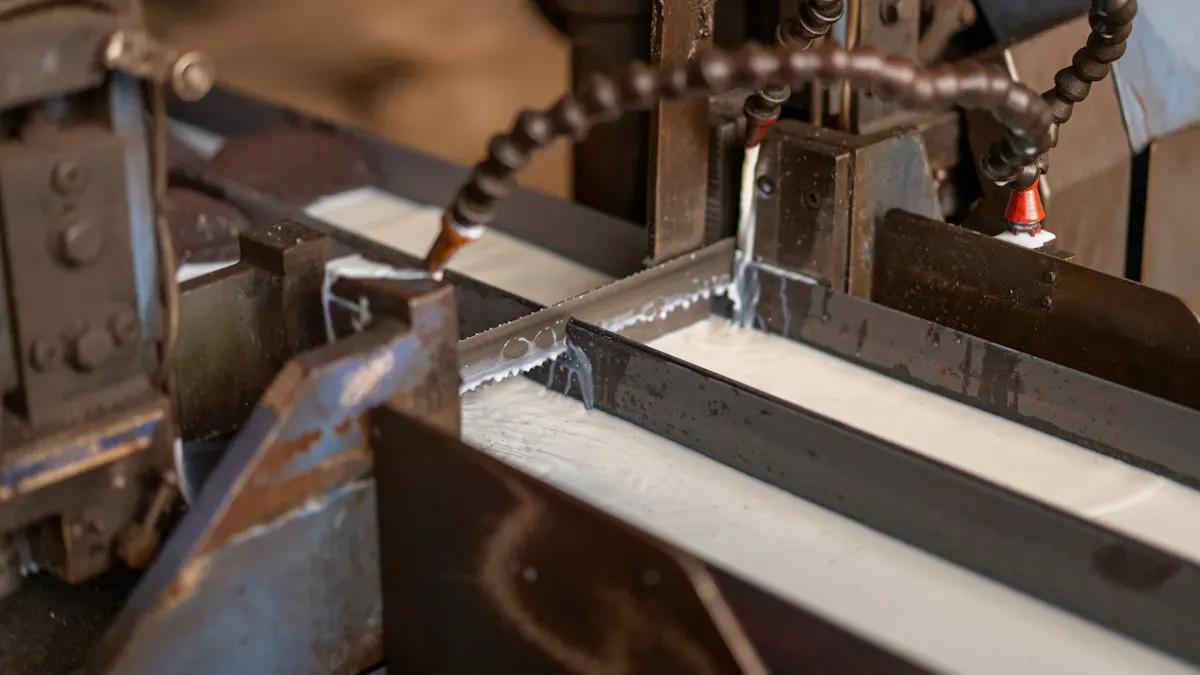
You start the journey with cleaning and preparation. Steel rolls into the Galvanizing Line looking tough, but it needs a fresh start. First, you wash the steel in a caustic solution. This step removes oil, grease, dirt, and even old paint. Next, you dip the steel into an acidic bath. This process, called pickling, strips away mill scale and any leftover rust. Clean steel is the secret to a strong zinc bond. If you skip this step or rush it, the coating won’t stick well, and rust can sneak in later.
Note: Clean steel means a better shield against corrosion. You want every inch ready for zinc!
Hot-Dip Zinc Coating
Now, you move to the heart of the Galvanizing Line. Here, steel takes a dip in a bath of molten zinc. The temperature sits around 450°C (840°F). Check out this quick table:
| HDG Line Temperature | Description |
|---|---|
| ~450°C | Steel gets immersed in molten zinc for coating. |
The time the steel spends in the zinc bath matters a lot. If you leave it too long, the coating gets thick and might turn brittle. If you rush it, the layer stays thin and weak. The zinc bonds with the steel, creating a tough shield. Air knives and rollers help control how much zinc stays on the surface. These tools make sure the coating looks good and lasts long. The steel’s chemistry and bath additives, like aluminum, also shape the final layer.
- Air knives and rollers adjust zinc thickness.
- They keep the coating uniform and strong.
Cooling and Finishing
After the zinc bath, you need to cool the steel. Cooling is not just about temperature—it locks the zinc in place. Air cooling works best because it avoids cracks that water quenching can cause. For big or thick pieces, you let them cool longer. The Galvanizing Line uses drying ovens, cooling towers, and air systems to get the job done. Once cooled, the steel looks shiny and feels smooth. This step makes sure the zinc sticks well and gives the steel a nice finish.
Tip: Cooling helps the zinc coating stay tough and prevents damage.
Quality Control
You finish with quality control. Inspectors check every piece for bare spots, rough patches, or drainage issues. They measure coating thickness with magnetic gauges. You might see them use a hammer or bend test to check how well the zinc sticks. If the coating flakes off, the steel fails the test. The Galvanizing Line follows strict standards, like ASTM A123 for structural steel and ISO 1461 for coating thickness. Here’s a quick look at some common tests:
| Test Type | Description |
|---|---|
| Visual Inspection | Look for bare spots, rough areas, drainage issues. |
| Coating Thickness | Use magnetic gauges to check thickness meets standards. |
| Adhesion Tests | Hammer or bend tests to verify zinc bond. |
| Compliance with Standards | ASTM A123 for steel, ASTM A153 for fasteners, ISO 1461 for thickness. |
- Adhesion gets tested by cutting or prying at the zinc with a knife.
- If the coating peels off, the steel does not pass.
You want every piece to meet the standards. This way, the steel stays protected and ready for use.
Galvanizing Line Equipment & Benefits
Main Equipment
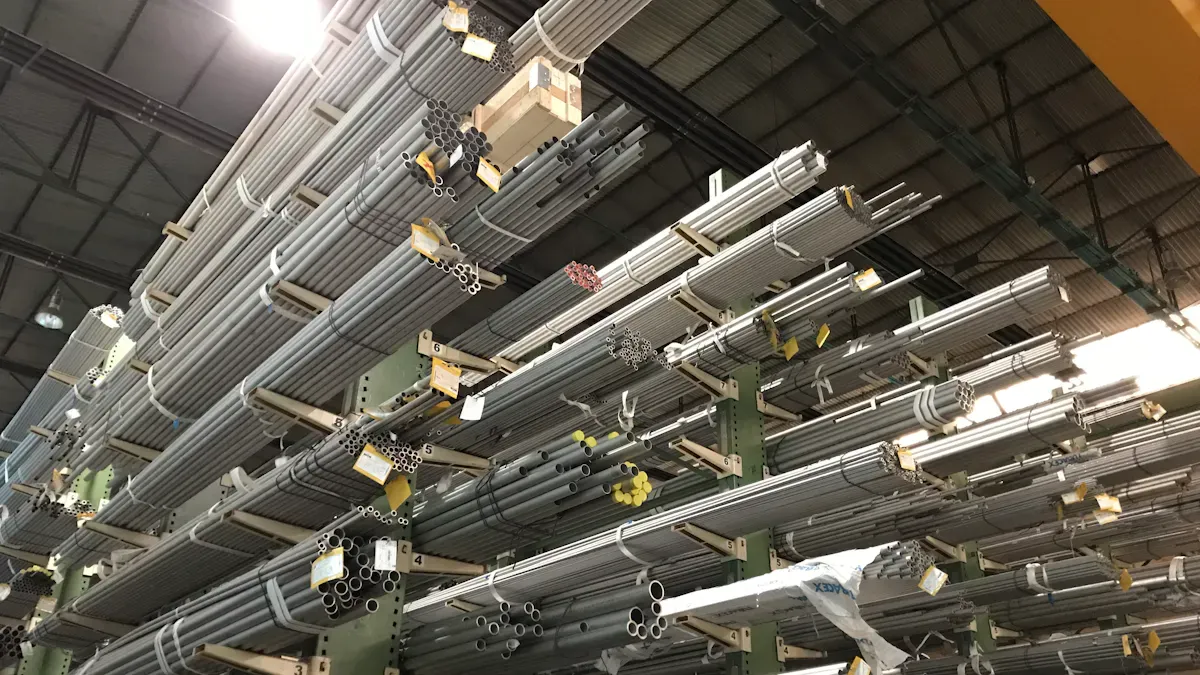
When you look at a Galvanizing Line, you see a lot of machines working together. Each one has a special job to make sure your steel gets the best protection. Here’s a quick list of the main equipment you’ll find:
- Galvanizing Furnace: Heats up the zinc until it melts.
- Zinc Kettle: Holds the molten zinc for dipping the steel.
- Pickling Tanks: Clean the steel surface before coating.
- Chemical Pretreatment Tanks: Help the zinc stick better.
- Flux Tanks: Stop the steel from oxidizing before dipping.
- Drying Ovens: Remove moisture from the steel.
- Cooling Towers: Cool down the steel after it gets coated.
- Air Circulation Systems: Make sure drying and cooling happen evenly.
- Quench Tanks: Quickly cool the steel to lock in the coating.
Modern lines use automation to keep everything running smoothly. Automated systems help you avoid mistakes, keep the coating even, and let you check things in real time. This means less downtime and better quality every time.
Advantages of Galvanizing Lines
You get a lot of benefits when you use a Galvanizing Line. The zinc coating gives your steel amazing corrosion resistance. It acts like a shield, so your steel lasts much longer—even in tough places like near the ocean or in big cities. Galvanized steel can last over 50 years in the countryside and up to 25 years in harsher environments.
You’ll see galvanized steel everywhere: in cars, buildings, appliances, farm equipment, and even power towers. In fact, about a quarter of all automotive steel uses this process. Galvanizing also helps the planet. It saves resources by making steel last longer and supports recycling when products reach the end of their life.
Tip: Galvanizing Lines make steel stronger, safer, and better for the environment.
You now know how a galvanizing line works and why it matters. Galvanized steel lasts decades with little upkeep, saving you money and hassle. Industries keep improving these lines for better quality and eco-friendly results. Next time you see a sturdy bridge or shiny appliance, remember the power of zinc!
FAQ
How long does galvanized steel last?
You can expect galvanized steel to last 25 to 50 years. The environment and exposure to moisture can change how long it stays rust-free.
Can you paint over galvanized steel?
Yes, you can paint it. Just clean the surface first. Use a primer made for zinc coatings. Paint sticks better this way.
Is galvanized steel safe for drinking water?
Yes, it is safe for most water pipes. Zinc does not harm drinking water. Many homes use it for plumbing.
Post time: May-11-2026