
You can eliminate zinc waste and energy loss by deploying automated enclosures, precise nitrogen purging, integrated rotary dipping and centrifugation, and thermal bath covers. Air creates zinc ash when it contacts molten zinc, while surface convection and high operating temperatures cause severe radiant heat loss. Traditional operations allow zinc ash loss between 0.2% to 1.5% of steel weight. An automated galvanizing line controls your critical process parameters, maintains a stable 450°C bath temperature, and reduces direct human exposure to hazardous kettle zones. Upgrading your industrial production line lowers overall energy costs by 20% while delivering consistent coating quality on every workpiece.
Key Takeaways
- · Automated enclosures use nitrogen gas to block oxygen and stop zinc ash formation.
- · Integrated rotary spinners fling excess liquid zinc directly back into the molten bath.
- · Automated kettle covers trap radiant heat and lower furnace energy costs by 20 percent.
- · Keeping bath temperatures at 450°C extends kettle lifespans and protects workers from hazardous heat.
Reducing Zinc Ash with Automated Galvanizing Lines
Oxygen damages molten zinc quickly during hot-dip operations. Oxygen reacts with the top layer of the liquid zinc bath whenever ambient air hits the exposed molten surface. This continuous chemical reaction creates unwanted zinc ash, which increases raw material waste and creates unnecessary cost for your facility. You can stop this aggressive oxidation process by installing a modern automated galvanizing line equipped with dedicated atmosphere controls.
Nitrogen Purging and Oxygen Isolation
Nitrogen purging creates a protective gas blanket directly above the liquid metal surface inside the enclosure. The automated control system forces pure nitrogen gas into the sealed chamber, effectively driving out atmospheric oxygen. This oxygen-free barrier stops surface oxidation instantly before dross or ash can form on your bath surface.
Proper surface isolation lowers overall material losses significantly during daily production runs. Industry research measures exact metal loss values across different equipment configurations:
| Galvanizing Setup | Zinc Ash (as % of Production) |
| Without an ash box |
0.8% |
| With a manual ash box |
0.4% |
| With a motor-driven (automated) ash box |
0.2% |
Automated systems provide superior surface protection when you compare them against traditional manual dipping methods. Leading industry consultants confirm these documented performance improvements:
Dr. Thomas H. Cook, Galvanizing Consultant – Hot Springs, South Dakota, USA, reports that motor-driven ash boxes achieve superior emission reduction and maintain low ash formation rates during continuous galvanizing.
Integrated Rotary Centrifugation Methods
Small metal components like nuts, bolts, screws, malleable steel parts, steel caps, and power fittings require specialized handling to maintain precise coating thickness. Advanced production setups utilize an integrated rotary galvanizing machine to handle these high-volume parts efficiently. This system combines dipping and high-speed centrifugation into a single streamlined operational step at the standard operating temperature of 450°C.
You manage these automated spin cycles through a reliable four-step sequence:
1. The molten metal recirculates through the centrifuge bowl for a set time.
2. The furnace lowers to separate the spinner from the melt.
3. The spin-dry cycle begins as the speed of rotation increases to a chosen value for a specific duration.
4. This action separates the solid purified zinc cake from residual liquid, facilitating its return to the pot.
Centrifuging excess molten zinc directly back into the annular zinc pot prevents air exposure and eliminates extra transfers. This immediate closed-loop recovery reduces zinc ash buildup while keeping thermal energy inside the main pot.
Adjusting equipment rotation speeds directly alters your liquid metal separation and total zinc recovery rates:
| Centrifugation Speed (rpm) | Effect on Recovery (Zinc Returned to Pot) | Purity Outcome | Test Reference |
| 575 rpm | Baseline recovery | Maintained | Test 4 Baseline |
| 875 rpm | Increased recovery | No sacrifice | Test 4 Increase |
| 1000 rpm | Increased recovery (further) | Not specified | Test 5 |
| 875 or 1000 rpm | Used in spin-dry cycle for solid-liquid separation | Part of the process | General Description |
High-efficiency pretreatment equipment utilizes a durable hexagonal drum paired with a gantry traveling trolley structure to prepare raw steel surfaces uniformly. Specially engineered post-treatment equipment handles finished components gently after centrifugation. This smooth mechanical transfer prevents coating damage caused by violent collisions between workpieces, delivering exceptional corrosion resistance across every operational cycle.
Heat Loss Prevention in an Automated Galvanizing Line
Uncontrolled thermal loss consumes significant energy during industrial metal processing. Radiant heat continuously escapes through exposed liquid bath surfaces. Convective air currents carry additional thermal energy away from your equipment. You can eliminate these massive energy leaks by integrating complete thermal management systems across your factory floor.
Automated Bath Enclosures and Covers
Modern production setups install heavy insulated covers over the entire metal pot. Automated control systems close these thermal barriers during idle shifts and active production pauses. Heavy ceramic insulation lining the interior walls traps heat inside the working chamber.
Automated kettle covers block convective airflow across the surface of the molten metal. This continuous protective seal lowers furnace burner loads significantly. Automated systems deploy these covers quickly, removing human delays and keeping thermal energy inside your bath.
Temperature Optimization at 450°C
Traditional small parts operations often used high-temperature dipping cycles to maintain coating fluidity. However, excessive thermal levels damage equipment and waste expensive fuel. High operating temperatures cause aggressive iron-zinc reactions inside your kettle walls.
As discussed above, the usual temperature of a zinc bath is about 450 °C.
An automated galvanizing line stabilizes your process at the standard operating temperature of 450°C. Pure zinc melts at 419°C. Operating at 450°C provides enough heat to warm incoming steel parts quickly while maintaining low metal viscosity. This standard thermal level keeps zinc fluid enough for smooth coating application and clear component withdrawal.
Maintaining exact bath temperatures preserves your equipment infrastructure for long-term production runs:
| Temperature | Kettle Life Expectancy | Key Consequence |
| 450°C | ~12 years or 120,000 tonnes | Optimal balance for energy efficiency and kettle longevity. |
| 470°C | Life halved (vs. 450°C) | Excessive alloying significantly reduces operational lifespan. |
| 500°C | A few weeks | Extremely rapid, destructive alloying; process becomes energy-inefficient and costly. |
| 440-460°C | Practical operating range | Provides sufficient heat for fluidity (above 419°C melting point) while minimizing destructive reactivity. |
Operating within the practical range of 440-460°C protects your capital investments. Increasing operating temperatures to 470°C halves the working lifespan of your steel pot. Thermal spikes reaching 500°C cause destructive alloying reactions that destroy steel kettles within a few weeks.
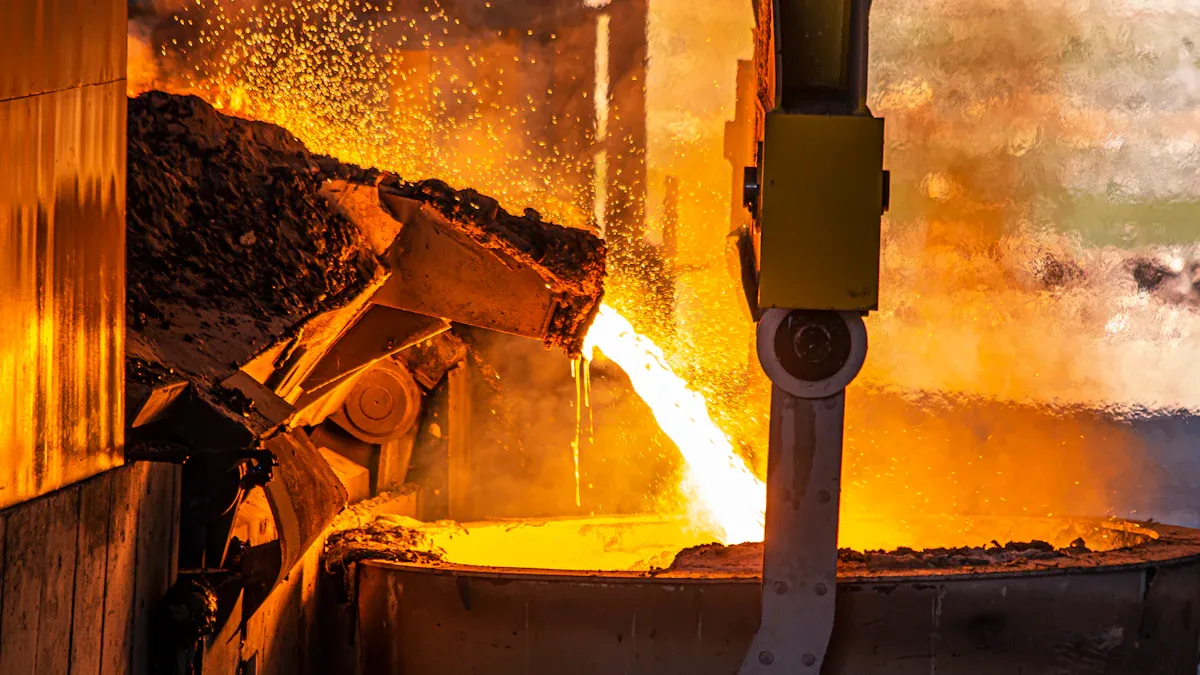
Dynamic thermal sensors monitor bath conditions continuously across every square meter of liquid metal. These digital sensors feed direct temperature readings to high-efficiency regenerative burners. The automated burner controls adjust fuel flow instantly to prevent localized overheating or unexpected cooling.
Regenerative combustion systems capture hot exhaust gases from furnace flues. The burners route this waste heat back into incoming combustion air. Preheating fresh intake air reduces total natural gas consumption dramatically during daily operations.
Automated control systems balance heat input against workpiece mass automatically. The smart line calculates exact thermal loads when immersion cycles begin. The combustion controls supply additional heat energy precisely as heavy cold steel parts enter the molten zinc. This dynamic heat management eliminates temperature fluctuations, lowers fuel consumption, and protects your steel kettle from thermal stress.
Operational and Safety Benefits
Upgrading your plant equipment improves material utilization and boosts daily production output across every shift. An automated galvanizing line delivers measurable financial savings by controlling chemical consumption, maintaining constant bath conditions, preventing raw material waste, and stabilizing overall zinc usage.
Material Efficiency and ROI
Automating your zinc bath operation cuts raw material waste dramatically during continuous processing runs. Real-world operational data from high-capacity industrial facilities demonstrates these immediate financial returns and long-term cost benefits:
| Operational Metric | Documented Performance Benchmark | Industrial Context |
| Zinc Savings per Ton | ~$1.86 per ton | $780,000 annual savings across 420,000 tons processed |
| Rapid ROI Frame | Under 3 months | California Steel Industries (CSI) high-speed line upgrade |
| Comprehensive System ROI | 20 months | Includes €25,000 annual energy savings from drying systems |
Replacing labor-intensive manual dipping methods lowers your direct operational costs significantly. Traditional hot-dip galvanizing relies on intensive, time-consuming manual labor to move workpieces between chemical tanks. Fully automated transfer equipment moves raw steel components smoothly through every pretreatment stage, eliminating repetitive handling steps and reducing overall labor expenses over time.
Reduced Manual Bath Exposure
Modern robotic equipment isolates your workforce from hazardous process environments. Manual galvanizing exposes workers directly to dangerous chemical splashes, radiant kettle heat, and concentrated acid fumes inside dipping areas. Integrated overhead cranes and automated conveyors perform these heavy material handling tasks precisely, keeping your team at a completely safe distance from open molten zinc.
- · Lower Accident Risks: Automated transfer equipment minimizes human presence near hot zinc baths, reducing workplace injury hazards significantly.
- · Controlled Fume Capture: Enclosed dipping stations capture acid mists and zinc emissions before air escapes into working zones.
Your facility achieves strict international quality and workplace safety benchmarks by deploying these dedicated engineering controls. Modern automated production systems ensure full compliance with ASTM A123/A123M and BS EN ISO 1461 coating standards. Integrated fume filtration systems, acid scrubbers, and enclosed pickling areas capture hazardous air emissions reliably. These protective features help your plant earn ISO 9001, ISO 14001, and CE certification while maintaining a safe operational environment.
An automated galvanizing line eliminates zinc ash buildup and cuts furnace heat loss simultaneously. Enclosed bath systems, precise nitrogen purging, and dynamic temperature controls maintain optimal operating conditions at 450°C. Centrifuging excess zinc back into the pot recovers valuable raw material instantly. Gentle component handling stops coating damage, while lower fuel consumption drives rapid return on investment. Replacing manual dipping and skimming with robotic operations protects your workforce from hazardous mists, high heat, and chemical splashes. Plant engineers should evaluate automated line upgrades today to maximize process efficiency, lower operational costs, and boost overall safety across small parts and structural galvanizing facilities.
FAQ
How does an automated galvanizing line reduce zinc ash formation?
An automated galvanizing line uses nitrogen purging inside an enclosed chamber to create an oxygen-free barrier above the molten zinc. Isolating the liquid metal surface from atmospheric oxygen prevents oxidation. This process stops zinc ash and dross formation before raw material waste occurs.
What is the standard operating temperature for automated hot-dip galvanizing?
Automated galvanizing lines maintain a stable operating bath temperature of 450°C. Operating at 450°C ensures optimal zinc fluidity and proper coating application. This standard temperature protects your steel kettle from rapid alloying damage and prevents high energy loss.
How does integrated rotary centrifugation return excess molten zinc to the bath?
The integrated rotary galvanizing machine spins small parts directly above the annular zinc pot immediately after dipping. High-speed centrifugation forces excess liquid zinc  off workpieces. The molten zinc drops directly back into the bath, recovering raw material and trapping thermal energy inside the pot.
What equipment components help minimize radiant heat loss during production?
Automated kettle covers lined with heavy ceramic insulation close over the zinc bath during idle times and processing pauses. These automated thermal enclosures block convective airflow across the molten surface, keeping heat inside the pot and lowering furnace burner fuel consumption.
Post time: Aug-20-2026