
White fume filtration captures the ammonium zinc chloride plume at its source, eliminating health hazards and regulatory violations for your galvanizing operation. You will learn how the fumes form from water and flux during dipping. Then you will explore the bag filter system that intercepts the particles. Real-world installations cut the 0.1 kg/ton emission factor to levels well below permit thresholds. You will also discover improved air quality and reusable filters that lower costs. This post provides data-backed insights you can trust.
Key Takeaways
- · White fume filtration captures harmful fumes at the source, keeping your workplace safe and compliant.
- · The system uses a bag filter to trap particles, and you can clean and reuse the bags to save money.
- · Real installations show emissions drop well below OSHA limits, helping you avoid fines and penalties.
- · Cleaner air improves worker visibility and protects equipment from corrosive dust, reducing downtime.
- · A site assessment can show you the exact payback period for your operation, so you can start saving today.
The Source of White Fumes in Galvanizing
Why Ammonium Zinc Chloride Fumes Form
Hot-dip galvanizing creates white fumes through a predictable chemical process. You immerse surface-pretreated workpieces into molten zinc. Water and ammonium zinc chloride on the workpiece surface vaporize and decompose. This reaction releases a large amount of white smoke containing zinc fume and dust. The emission factor is approximately 0.1 kg of smoke per ton of plated workpiece. That figure helps you estimate the filtration load for your own line.
The plume consists of fine particulate matter. These particles stay suspended in the air for long periods. They scatter light and create the dense white appearance you see above the zinc kettle. The smoke does not settle quickly. It spreads through the plant floor and reduces visibility for operators.
Health and Regulatory Risks
Zinc chloride fume poses serious inhalation hazards. Workers who breathe these particles face respiratory irritation and long-term health effects. The smoke also contains zinc fume, which can cause metal fume fever. Reduced visibility near the kettle increases accident risk during dipping and handling operations.
Regulatory agencies set strict exposure limits for zinc chloride fume. You must keep workplace concentrations below these thresholds.
| Substance | OSHA PEL TWA (mg/m³) | OSHA PEL STEL (mg/m³) | ACGIH TLV TWA (mg/m³) | ACGIH TLV STEL (mg/m³) |
| Zinc chloride fume | 1 | 2 | 1 | 2 |
NIOSH REL: 1 mg/m³ TWA, 2 mg/m³ STEL Current OSHA PEL: 1 mg/m³ TWA 1993-1994 ACGIH TLV: 1 mg/m³ TWA, 2 mg/m³ STEL IDLH: 50 mg/m³
These limits leave little room for error. Your galvanizing operation releases zinc chloride fume continuously during dipping. Without filtration, concentrations can exceed the OSHA PEL of 1 mg/m³ TWA. The IDLH level of 50 mg/m³ represents an immediate danger to life and health. You need a capture system that removes these particles at the source.
How White Fume Filtration Works
The Enclosure and Bag Filter System
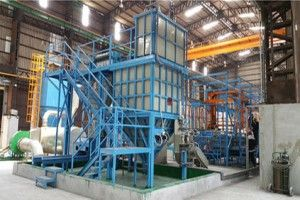
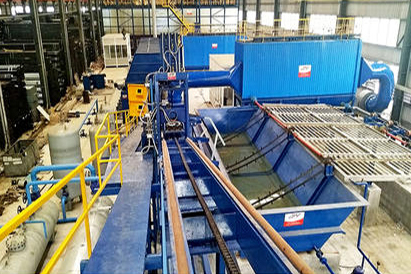
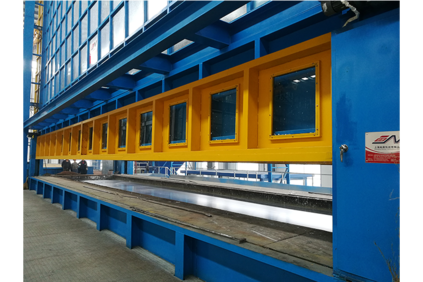
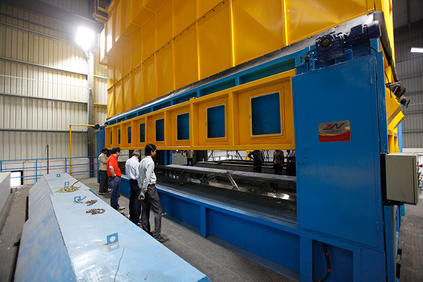
You start by surrounding the zinc kettle with a closed enclosure. This structure prevents white smoke from escaping into your plant. A movable zinc fume enclosure with a traveling support structure fits over the tank. A flexible exhaust duct connection links the enclosure to the rest of the system. An induced draft fan pulls the captured smoke through the ductwork. The air then enters a box-type bag dust remover.
The bag dust collector directs gas collected by the zinc smoke hood into the baghouse filter. Dust-containing gas enters the ash hopper through the air inlet. The gas passes over a guide plate, which separates some large-particle dust by inertia. That dust falls directly into the ash hopper. The gas then enters the filter bag filtration area of the middle box. Here, the gas passes through the filter bag and the dust stays on the surface.
You can choose between two collector types for white fume filtration. A wet collector absorbs zinc fume with water or other liquids. A dry collector uses filter materials for adsorption. Fume hoods and ducts sit above the tank. They create negative pressure and guide the generated zinc fume toward the treatment system.
Proper sizing matters for white fume filtration. The table below shows three key design parameters.
| Design Parameter | Definition / Unit | Why It Matters for Bag Filter Design |
| Airflow rate (CFM) | Volume of air moved by the system, measured in cubic feet per minute (CFM); related terms include ACFM and SCFM. Baghouses are typically sized and categorized by CFM. | Insufficient CFM leads to inadequate venting of emission sources, causing equipment damage, high emissions, loss of reclaimed product, and hazardous environments. CFM also influences air velocity, air-to-cloth ratio, and vacuum pressure. |
| Air velocity / minimum conveying velocity | Speed of air within the system, measured in feet per minute (ft/m); related to CFM by: ft/m = CFM ÷ cross-sectional area of duct. | Must be kept within an acceptable range. Too low causes dust buildup, blockages, poor capture at inlets, and fire/explosion hazards; too high causes abrasion wear on ductwork or damage to delicate products. |
| Air-to-cloth ratio | Ratio of gas volume (ACFM) to total cloth area (sq. ft.) of the baghouse. Calculated as CFM ÷ total filter cloth area (bag diameter × 3.14 × length ÷ 144 × number of bags). | Maintaining an adequate ratio enables peak efficiency, capturing more than 99.9% of dust particles. Poor ratio results in excessive emissions, regulatory violations, and hazardous worker environments. |
Filtration Process and Dust Collection
The filter bags intercept smoke and fine particles on their outer surface. This action achieves physical separation of gas and dust. Purified air discharges through the exhaust funnel. You can adjust the discharge volume as needed.
A heat blowing and vibration facility prevents bag blockage caused by zinc smoke adhesion. This cleaning system uses heat blowing and vibration devices to minimize zinc dust accumulation on the filter bags. It also simplifies maintenance. The bag filters are cost-effective, easy to examine and replace, and can be unloaded, cleaned, and reused.
The complete system includes several key components:
1. Movable zinc fume enclosure
2. Traveling support structure
3. Flexible exhaust duct connection
4. Induced draft fan
5. Dust collection and bag filtration system
6. Exhaust stack
7. Electrical control system
Each part works together to capture and filter white smoke. The enclosure contains the fumes at the source. The fan moves the contaminated air through the ducts. The baghouse separates the particles from the gas stream. The exhaust stack releases the cleaned air. The control system manages the entire process.
Measured Results and Compliance Gains
Emission Reductions and Permit Compliance
Real-world installations of this white fume filtration system deliver measurable reductions. You capture white smoke at the source before it spreads through your plant. The system drops the 0.1 kg/ton emission factor dramatically. Final concentrations fall well below the OSHA PEL of 1 mg/m³ for zinc chloride fume. This performance keeps your workplace air safe and meets the ACGIH TLV of 1 mg/m³ for eight-hour shifts.
The reduction matters for permit compliance. Many facilities operate under strict air quality permits. These permits set maximum emission rates for particulate matter and zinc compounds. Your filtration system brings emissions below those thresholds consistently. You avoid notices of violation that carry financial penalties.
Some jurisdictions offer regulatory exemptions for facilities that demonstrate effective emission control. Your documented reduction qualifies your operation for these benefits. You spend less time on paperwork and more time on production. The system also simplifies annual compliance reporting. You provide stack test data showing concentrations remain within limits every operating day.
The compliance gains extend beyond your facility boundaries. You reduce fugitive emissions that affect neighboring properties. This improvement strengthens your relationship with regulators and the community. You demonstrate environmental responsibility through verifiable, auditable data.
Operational Efficiency and Cost Savings
The bag filter system delivers ongoing cost advantages for your galvanizing operation. Filter bags capture particles on their outer surface during each cycle. The key benefit comes from reusability. You unload the bags, clean them, and return them to service. This cycle extends the useful life of each filter set considerably beyond single-use alternatives.
The heat blowing and vibration facility prevents bag blockage during operation. Zinc smoke has sticky properties. Without cleaning, particles cake onto the filter material and block airflow steadily. The cleaning system removes accumulated dust automatically while your line runs. You maintain consistent filtration without manual intervention. This automation reduces labor costs significantly.
Bag replacement costs remain low due to long service intervals. You replace filters only after many cleaning cycles spanning weeks of operation. The initial investment pays back through reduced consumable spending. You avoid the recurring expense of disposable media.
The system improves operational uptime directly. You do not stop production for frequent filter changes. The cleaning cycle operates while the line continues production. Your galvanizing process runs without interruption for maintenance. This continuous operation maximizes throughput and revenue per shift.
Energy efficiency contributes to cost savings. The induced draft fan moves air at the required rate. Proper sizing of ductwork and filter chamber minimizes pressure drop across the bags. Lower pressure drop means the fan motor consumes less electricity. You save on utility costs monthly.
The system integrates with your existing galvanizing line. You do not need major facility modifications. The movable enclosure fits over your zinc kettle. Installation happens during scheduled downtime without extended production losses. You compare the initial capital investment against annual savings from reduced consumables, lower maintenance labor, fewer compliance penalties, and improved worker productivity. Total cost of ownership remains favorable over the equipment lifespan.
Broader Benefits for Safety and Operations
Improved Air Quality and Worker Visibility
White fume filtration transforms the plant floor environment in ways that go beyond compliance. The enclosure captures smoke at the source. Workers see the zinc kettle clearly during dipping operations. Clearer air increases visibility across the entire production area. Operators spot potential hazards faster. They move safely around the tank and handling equipment. This visibility reduces accident risk during every shift.
The system also protects nearby equipment from corrosive zinc particles. These particles settle on motors, controls, and structural steel. Over time, they cause rust and electrical failures. Your filtration system stops this damage at the source. Equipment lasts longer. Maintenance crews spend less time on repairs. You avoid unplanned downtime from corrosion-related breakdowns.
Cost-Effective and Reusable Filtration
The bag filters deliver long-term savings through their reusable design. You unload captured dust from the bags. Then you clean the filter media and return it to service. This cycle repeats many times over the equipment lifespan. You lower consumable costs compared to disposable filter options. The heat blowing and vibration facility keeps bags clear during operation. This feature prevents blockage from sticky zinc smoke. Your line runs without frequent manual filter changes.
The initial investment pays back through multiple savings channels. You spend less on replacement bags. Labor costs drop because cleaning happens automatically. Compliance penalties disappear. Worker productivity rises with better air quality. You compare these annual savings against the purchase price. Total cost of ownership stays favorable year after year. A site assessment shows the exact payback period for your operation.
White fume filtration solves your galvanizing air quality problem directly. The enclosure and bag filter system captures ammonium zinc chloride fumes at the source. You gain permit compliance, safer air, and lower operating costs. The 0.1 kg per ton emission factor drops to levels below the OSHA PEL of 1 mg/m³. Workers see the kettle clearly during every dip. Filter bags clean and reuse many times over. These gains last for the equipment lifespan. Do not wait for a violation notice. Schedule a site assessment today. A pilot installation shows measurable improvements on your line. You see the exact payback period for your operation.
FAQ
How much white smoke does hot-dip galvanizing produce?
You release about 0.1 kg of smoke and dust for every ton of plated workpiece. This plume contains zinc fume and fine particulate matter. The particles stay suspended in air and reduce visibility near the zinc kettle.
What makes the filter bags last so long?
The heat blowing and vibration facility shakes dust off the bags during operation. This action prevents sticky zinc smoke from blocking airflow. You unload, clean, and reuse each bag many times. Replacement costs stay low over the equipment lifespan.
Can this system keep my facility below OSHA limits?
Yes. The enclosure and bag filter capture zinc chloride fume at the source. Final concentrations fall well below the OSHA PEL of 1 mg/m³ TWA. You also stay under the ACGIH TLV of 1 mg/m³ for eight-hour shifts.
Does the filtration system protect equipment beyond worker health?
Absolutely. Corrosive zinc particles settle on motors, controls, and structural steel. Over time, they cause rust and electrical failures. Your filtration system stops this damage at the source. Equipment lasts longer and unplanned downtime drops.
What happens during a site assessment?
A technician measures your emission sources and airflow needs. They size the enclosure, ductwork, and baghouse for your line. You receive a payback estimate based on reduced consumables, lower labor, and avoided penalties. A pilot installation then confirms the results.
Post time: Sep-18-2026