
In 2026, robotic automation transforms Small Parts Galvanizing into a safe, sustainable operation. You no longer need to expose workers to hazardous environments. Automated handling lines and robotic arms immediately eliminate direct human contact with molten zinc at 450°C. These systems also keep your operators away from dangerous acid pre-treatment baths.
Robotic precision replaces extreme physical fatigue and severe workplace hazards. You improve plant safety while boosting overall efficiency. Integrated rotary technology captures toxic fumes and zinc ash right at the source. This advanced Small Parts Galvanizing equipment protects your workforce and creates a cleaner, highly productive manufacturing facility for your business.
Key Takeaways
- · Robotic automation removes workers from dangerous 450°C heat and toxic acid vats.
- · Enclosed hood systems capture chemical fumes and toxic zinc ash at the source.
- · Integrated rotary spinning returns excess molten zinc directly to the pot to save material.
- · Smooth automated conveyors protect delicate threads and parts from impact damage during cooling.
Hazards in Traditional Small Parts Galvanizing
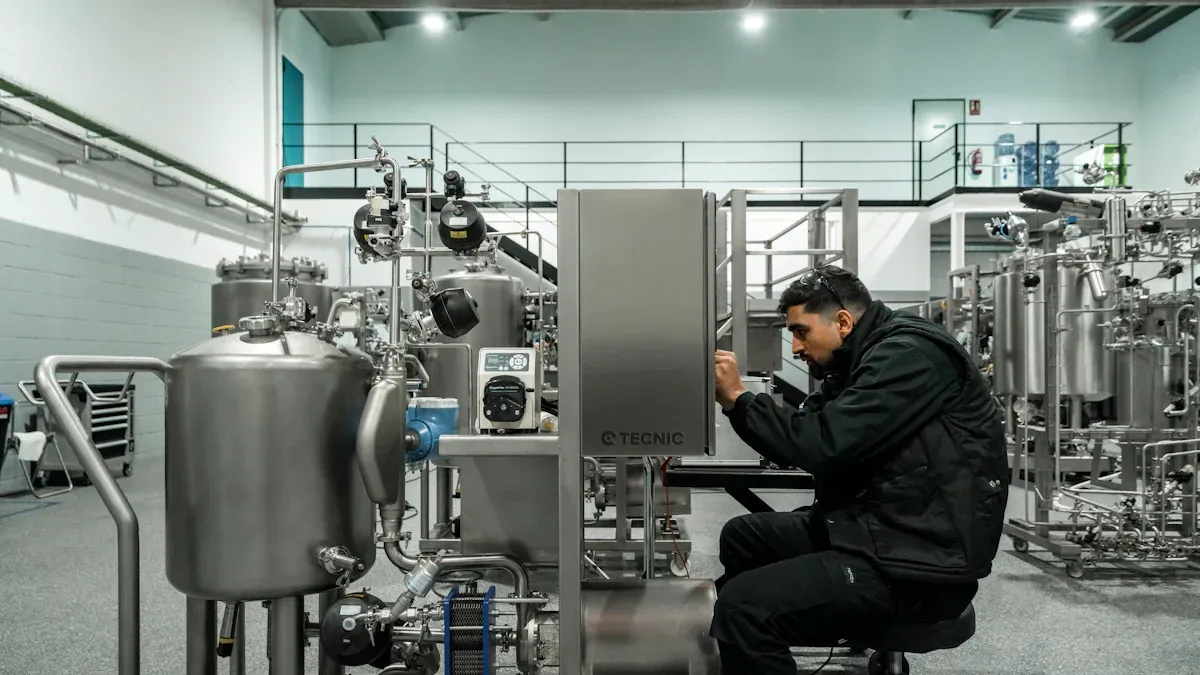
Severe Thermal Stress and Physical Exhaustion
Manual Small Parts Galvanizing forces your operators to work directly beside open zinc pots reaching temperatures of 450°C. Workers repeatedly lift heavy steel baskets filled with dense metal hardware. This continuous exposure to high radiant heat causes severe physical exhaustion, rapid body dehydration, and extreme operator fatigue during every single work shift.
Your workforce encounters severe ergonomic strain and chemical hazards during traditional pre-treatment steps. Operators manually transport component baskets over open pickling vats containing corrosive acid solutions. Acid mist rises continuously into your workers’ breathing space, causing painful skin irritation, eye burning, severe respiratory discomfort, and constant chemical splash risks.
Toxic Chemical Exposure and Ash Particulates
Traditional open-pot dipping creates hostile working conditions inside your manufacturing facility. Molten zinc reacts aggressively with ambient oxygen and chemical fluxes during manual immersion. This reaction releases dense clouds of toxic smoke, subjecting your floor technicians to airborne chemical contaminants that reduce shop floor visibility and harm health.
Manual dipping operations produce high volumes of toxic zinc ash during daily component processing. Standard hot-dip methods generate substantial ash waste by weight depending on your plant hardware and ash recovery setups.
| Condition | Ash as % of production | Ash weight per ton of galvanized parts |
| Manual hot-dip galvanizing with manual ash box | 0.4% | 4 kg/ton |
| Manual hot-dip galvanizing without ash box | 0.8% | 8 kg/ton |
| Galvanizing without ash recovery | 1–2% | 10–20 kg/ton |
| Galvanizing with ash recovery | 0.5–1% | 5–10 kg/ton |
| Galvanizing with MZR recovery | 0.1% | 1 kg/ton |
Heavy ash accumulation creates continuous health and safety hazards for your maintenance staff. Uncaptured zinc ash settles over nearby shop floors and machinery. Your workers must manually scoop, scrape, and dispose of these toxic metallic residues, creating repeated direct exposure to dangerous heavy metal particulates.
Robotic Small Parts Galvanizing System Innovations
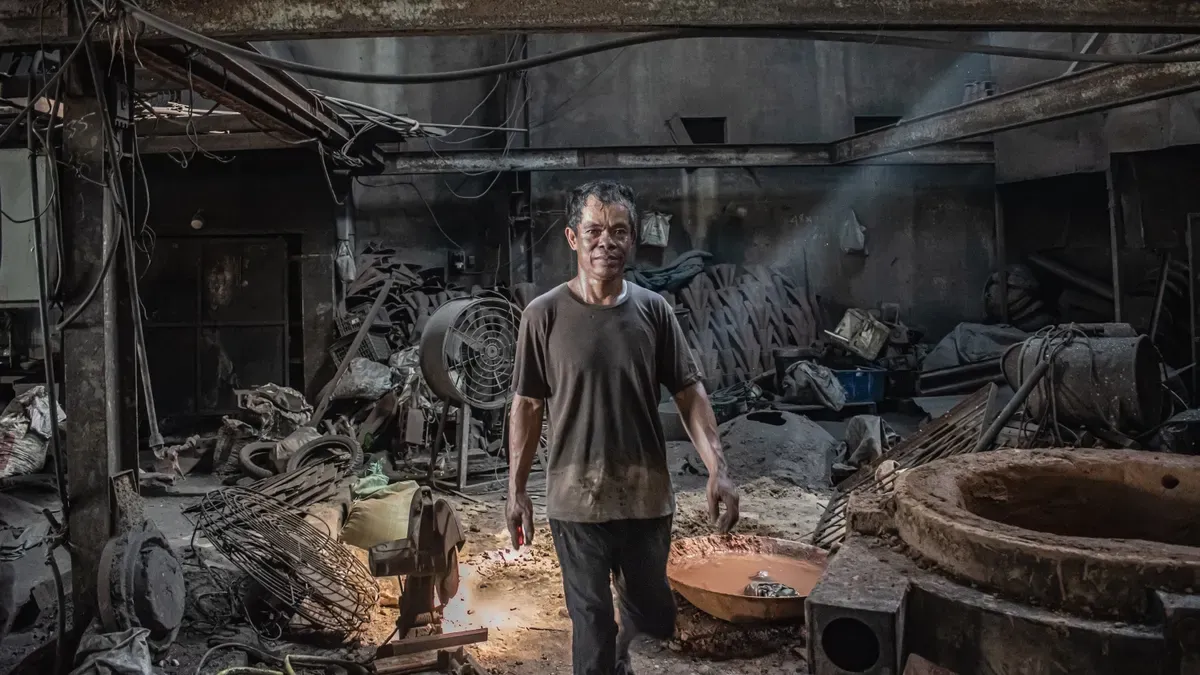
Modern automation solves the safety and efficiency problems of traditional dip lines. Automated Small Parts Galvanizing systems combine advanced robotics with closed-loop engineering. These equipment innovations replace dangerous manual tasks with smooth machine operations. You upgrade your overall plant throughput while keeping your industrial workforce completely safe.
Hexagonal Drum and Gantry Pre-Treatment
Chemical pre-treatment prepares raw metal components for hot-dip zinc immersion. Legacy methods rely on manual basket handling over open chemical vats. In contrast, modern robotic systems utilize specialized hexagonal drums paired with a robust gantry traveling trolley structure.
The automated gantry traveling trolley lifts, moves, and lowers component baskets across your chemical line. It transfers hardware smoothly between degreasing, acid pickling, and rinsing tanks. The system eliminates human error and removes manual lifting completely. Your operators control the entire sequence from a safe control panel.
Inside the chemical baths, the unique hexagonal drum geometry enhances processing performance:
- · Constant component tumbling exposes all metal surfaces to acid solutions.
- · Angled drum walls prevent flat parts from sticking together.
- · Perforated sides maximize liquid movement and continuous chemical flow.
- · Automated rotation ensures complete pickling action across every batch.
This mechanical tumbling action thoroughly cleans complex items like nuts, bolts, screws, malleable steel parts, steel caps, and power fittings. The automated gantry trolley moves each load according to precise digital timers. Every component receives uniform chemical prep without over-pickling or under-treating. Fluid drainage occurs automatically before the gantry trolley shifts components to the next station. This process reduces chemical drag-out, saves raw pre-treatment fluids, and maintains high workplace cleanliness.
Integrated Rotary Spinning and Annular Pots
After chemical pre-treatment, your clean steel components move directly into the automated rotary galvanizing module. Advanced robotic systems feature a single-step rotary galvanizing device integrated directly above an annular zinc pot. This clever layout revolutionizes how you apply uniform protective coatings to small hardware.
Traditional operations dip parts, lift heavy baskets, and transport them to separate spin centrifuges. That manual movement cools molten metal rapidly and creates heavy zinc ash. The robotic system merges the immersion and centrifugal spinning processes into one continuous step. The robotic mechanism lowers the components into molten zinc maintained at a precise hot-dip temperature of 450°C.
Once the zinc coats the hardware completely, the machine spins the basket centrifugally right inside the enclosed chamber over the annular zinc pot. Centrifugal force instantly separates liquid zinc from component threads and tight corners. The excess liquid zinc spins off component surfaces and falls directly back into the molten bath below.
This single-step rotary spinning design delivers critical operational advantages:
Direct return of molten zinc to the 450°C annular pot minimizes thermal heat loss, prevents zinc ash generation, conserves raw zinc material, and optimizes overall production efficiency.
Your plant saves valuable zinc material because zero molten zinc drips onto shop floors or external pans. The enclosed design traps air currents during the high-speed spin cycle. Ambient oxygen cannot react aggressively with the liquid metal spray. This containment prevents zinc ash formation right at the point of origin. You achieve pristine surface quality on fasteners, threads, and critical surfaces while maintaining a completely clean work environment.
Reducing Ergonomic Strain and Zinc Emissions
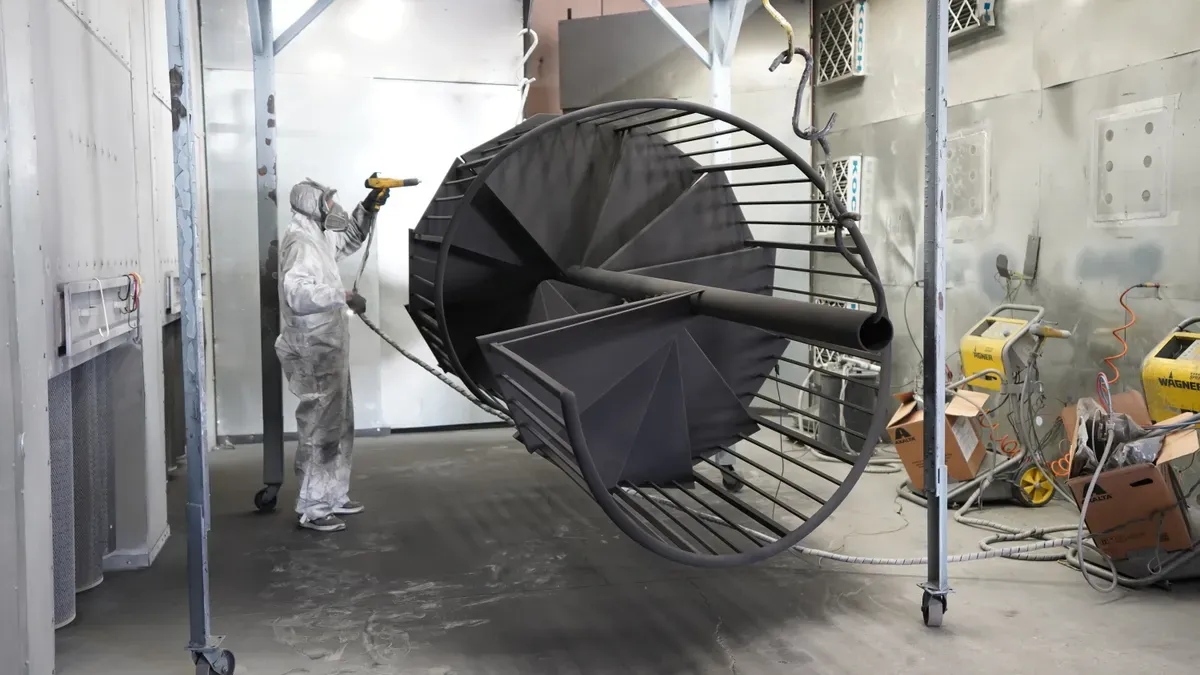
Automated Workstations for Zero Direct Contact
Automated workstations transform your daily shop floor activities completely. You protect your human operators from severe physical exhaustion and direct exposure to intense thermal hazards. Legacy manual handling forces workers to lift heavy steel baskets loaded with dense metal hardware continuously. In contrast, modern robotic lines handle all heavy lifting through automated loading docks and robotic transfer mechanisms. Your operators monitor production safely from digital control consoles located outside active hazards.
Automated feeding systems transfer raw components into hexagonal pre-treatment drums smoothly. You eliminate physical bending, reaching, and heavy manual lifting during component loading. Advanced sensors guide every batch movement precisely along the line. High-precision robotic arms transfer filled baskets between acid vats, water rinse tanks, and molten zinc kettles without direct operator intervention. This fully automated layout prevents accidental chemical splashes, severe thermal burns, and chronic back injuries. Your manufacturing plant maintains steady processing speeds because physical operator fatigue no longer slows down daily production cycles.
Enclosed workstations establish a physical barrier between your workforce and hazardous chemical zones. Automated doors seal off pre-treatment tanks during active agitation and pickling stages. Light curtains and pressure-sensitive safety mats surround robotic working areas. These safety controls stop mechanical movement instantly if a technician enters a designated hazard perimeter. You eliminate workplace injuries and provide a comfortable, clean working environment for your team. These automated safety barriers ensure full industrial compliance while maximizing active production uptime.
Enclosed Capture of Fumes and Zinc Ash
Closed-loop hood structures cover pre-treatment chemical tanks and hot-dip galvanizing pots completely. These specialized engineering enclosures capture acid mists, toxic smoke, and zinc ash right at the point of origin. Continuous negative pressure ventilation pulls chemical fumes directly into wet scrubbing systems before airborne pollutants reach your factory air. You keep indoor air exceptionally clean and maintain clear visibility across all shop floor areas. Your technicians breathe clean air throughout every shift.
Integrated collection devices prevent fine zinc ash particulates from escaping into your broader facility environment. Enclosed centrifugal spinning keeps tiny molten droplets contained inside the heated furnace chamber directly above the zinc pot. Your maintenance crews no longer spend grueling hours scraping toxic heavy metal residues off shop floors, overhead crane rails, and structural beams. You reduce hazardous waste disposal duties while maintaining a pristine facility that satisfies rigorous health and safety standards.
Closed-loop fume capture and waste-heat recovery technologies deliver substantial economic savings for your facility:
| System | Initial investment | Annual savings | Typical payback period | Influencing factors |
| Flue gas heat economizer | $40,000–$60,000 | $8,000–$10,000 | 2–5 years | Furnace size, fuel cost, operating hours |
Installing closed-loop capture systems shields your workers while reducing operating costs significantly. Flue gas heat economizers collect thermal energy from furnace exhaust to heat pre-treatment baths and drying ovens. These energy savings offset system purchase costs rapidly. Modern Small Parts Galvanizing equipment converts environmental management into strong operational profit for your business. You build a resilient production line that protects worker welfare and increases long-term company profitability.
Operational Benefits and Coating Integrity in 2026
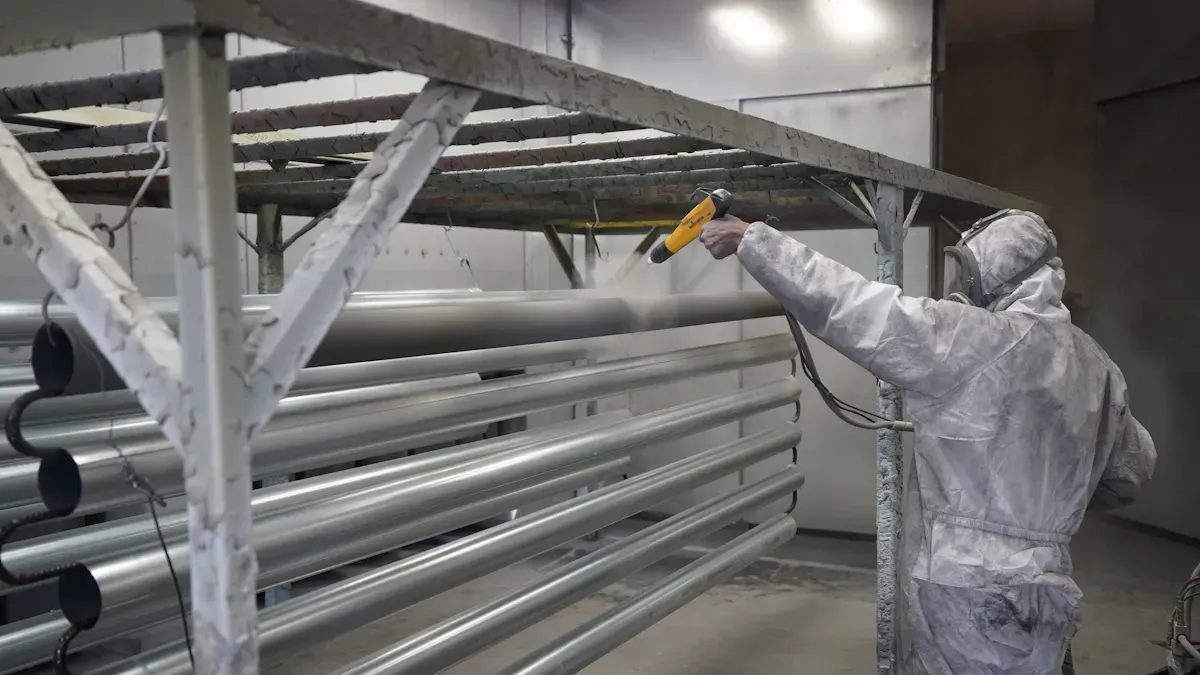
Surface Protection and Collision Avoidance
Modern automated lines feature specialized post-treatment drying and cooling equipment. Traditional processing methods drop delicate parts forcefully into cooling baths or storage bins. That rough drop causes severe collisions between items. Violent impacts dent soft zinc coatings, damage external threads, and ruin structural fittings. Automated systems prevent these heavy impacts completely. Controlled transfer mechanisms move components smoothly through each cooling stage.
The protective post-treatment machinery regulates temperature drops step by step. Dedicated conveyors carry your items through gentle air-drying and cooling chambers. Components never collide or scrape against each other during handling. This careful movement protects key surfaces on fasteners, steel caps, malleable parts, and threaded power fittings. You deliver smooth, defect-free coatings that meet strict quality standards every time.
ESG Compliance and Long-Term Line Efficiency
Modern hardware plants achieve rapid return on investment by upgrading legacy dip lines. Automotive, construction, and hardware manufacturing facilities gain strong competitive advantages from robotic automation. These clean-line operations lower daily labor costs while reducing raw zinc consumption. Automated rotary mechanisms return excess liquid metal straight to the pot, cutting material waste significantly. You boost total output while spending less money on energy and raw materials.
Facilities that adopt clean-line robotic automation in 2026 secure clean-line certifications, lower environmental liability, and achieve long-term line efficiency.
Automated equipment helps your facility satisfy strict global ESG standards. Integrated hoods capture toxic airborne mists and zinc ash right at the source. This complete containment creates a pristine factory environment for your operators. Your business avoids expensive environmental fines and satisfies local workplace safety rules. Upgrading your production facility transforms compliance requirements into reliable long-term profits.
Upgrading to robotic Small Parts Galvanizing marks an essential operational pivot for your plant in 2026. This modern automation builds a truly sustainable manufacturing facility. Integrated rotary galvanizing keeps your workers completely safe from intense 450°C heat, acid mists, and dangerous zinc ash. The closed-loop process spins excess molten metal straight back into the pot. You conserve valuable raw zinc and save significant heating energy on every shift.
Modernizing legacy dip lines with automated, closed-loop solutions transforms daily shop floor operations into clean, highly profitable production systems.
You can replace dangerous manual dipping today. Contact our engineering specialists now to upgrade your legacy facility with automated, closed-loop technology.
FAQ
What types of small parts can you process with this automated line?
You can process various small metal components with high coating quality. The system efficiently handles nuts, bolts, screws, malleable steel parts, steel caps, and power fittings. Automated handling protects delicate component surfaces and tight threads across every production batch.
How does the system reduce zinc ash and heat loss?
The single-step rotary device spins components directly over the annular zinc pot at 450°C. Centrifugal force returns excess molten zinc immediately to the pot below. This integrated design minimizes thermal heat loss, prevents zinc ash generation, and saves valuable raw zinc.
How does the pre-treatment system ensure uniform chemical cleaning?
The system pairs a hexagonal drum with a robust gantry traveling trolley structure. Constant drum tumbling prevents flat components from sticking together inside chemical vats. Perforated sides maximize liquid movement, giving your hardware uniform chemical preparation without over-pickling.
How does automated post-treatment protect critical component threads?
Specialized post-treatment drying and cooling equipment carries items smoothly through controlled cooling stages. Gentle mechanical handling eliminates violent collisions between components. This precise transfer preserves delicate fastener threads and maintains smooth, defect-free protective coatings.
Post time: Aug-25-2026