Zinc Plating Solutions For Infrastructure Projects
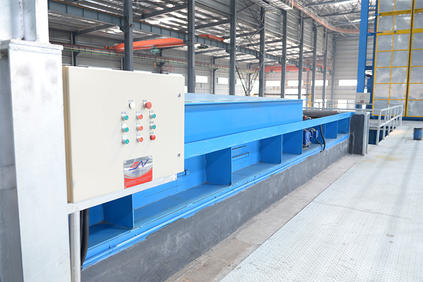
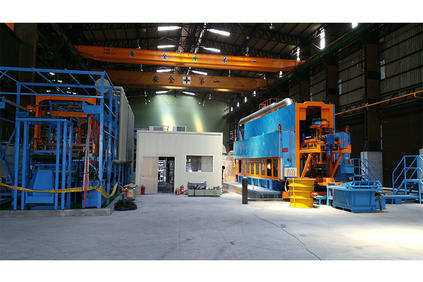
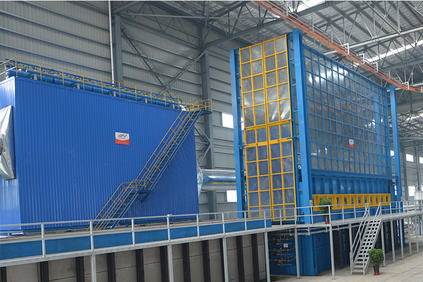
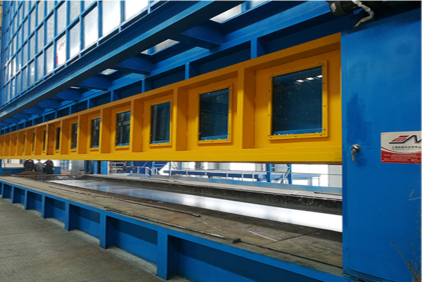
Our core equipment lines engineered specifically for large-scale infrastructure galvanizing — from pretreatment to final zinc coating, every stage is precision-controlled.
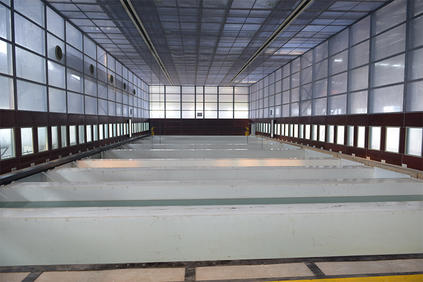
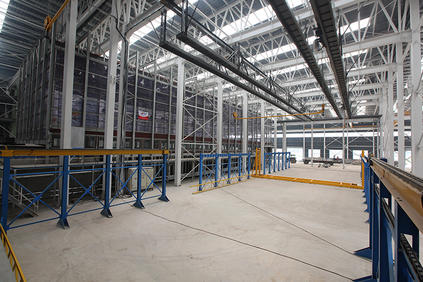
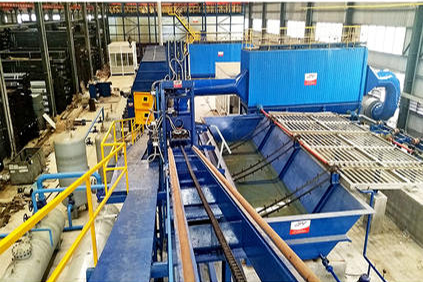
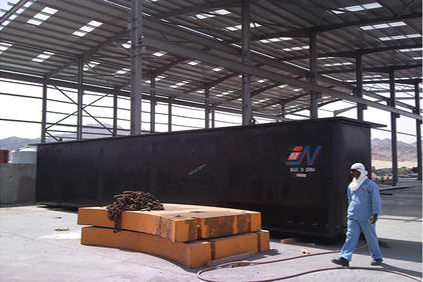
Zinc Plating Lines: Global Industrial & Commercial Landscape
The global hot-dip galvanizing industry is experiencing accelerated growth, driven by massive infrastructure investment programs across developed and emerging economies.
Global Market Expansion
The global hot-dip galvanizing market surpassed USD 18 billion in 2023 and is projected to grow at a CAGR of 6.2% through 2030, fueled by government-backed infrastructure programs across Asia, Africa, the Middle East, and Latin America. Nations are increasingly mandating corrosion-resistant coatings for public infrastructure assets.
Infrastructure Investment Surge
Trillions of dollars in infrastructure spending under programs such as the US Infrastructure Investment Act, the EU Green Deal, and China's Belt & Road Initiative are creating unprecedented demand for galvanized structural steel — from bridge girders and highway guardrails to power transmission towers and water pipeline systems.
Energy Sector Demand
Rapid expansion of renewable energy infrastructure — including wind turbine towers, solar panel mounting structures, and high-voltage transmission pylons — has become one of the fastest-growing segments for zinc plating lines. The corrosion protection offered by hot-dip galvanizing is irreplaceable in outdoor, high-humidity, and marine environments.
Complete Zinc Plating Line Process For Infrastructure Steel
Our integrated production line covers every stage of the hot-dip galvanizing process, ensuring uniform, durable zinc coatings that meet international standards for infrastructure applications.
Degreasing
Remove oil, grease and surface contaminants from structural steel components
Pickling
Acid bath treatment to eliminate rust and mill scale for a clean base surface
Fluxing
Zinc ammonium chloride flux applied to prevent re-oxidation before immersion
Drying & Preheating
Controlled drying pit removes moisture to prevent zinc splash and ensure safety
Hot-Dip Galvanizing
Immersion into molten zinc at 450°C forms a metallurgically bonded coating
Inspection & QC
Coating thickness and adhesion tested to meet ASTM, ISO and EN standards
Development Trends Shaping The Zinc Plating Line Industry
Technology innovation and sustainability imperatives are reshaping how zinc plating lines are designed, operated, and integrated into modern industrial facilities.
🤖 Automation & Robotics
Smart robotic handling systems, PLC-controlled bath management, and automated material transport are replacing manual operations — dramatically improving throughput, consistency, and worker safety on galvanizing lines for infrastructure-scale production volumes.
♻️ Green & Low-Emission Technology
Modern zinc plating lines incorporate closed-loop flux regeneration systems, white fume enclosure with advanced filtering, and zinc dross recovery units. These innovations reduce hazardous emissions, cut zinc consumption by up to 15%, and help facilities achieve ISO 14001 environmental certification.
💡 Energy Efficiency
Next-generation induction heating and heat recovery systems for zinc kettles and drying pits significantly reduce natural gas and electricity consumption. Energy-optimized lines can achieve a 20–30% reduction in operational energy costs compared to conventional designs.
📊 Digital & IoT Integration
Real-time monitoring of bath temperature, zinc composition, and line throughput via IoT-connected sensors and cloud-based dashboards enables predictive maintenance and remote diagnostics — reducing downtime and extending equipment service life for infrastructure operators.
🌐 Modular Line Design
Modular and scalable galvanizing line architectures allow customers to start with core infrastructure and expand production capacity progressively. This flexibility is critical for emerging markets entering the infrastructure development phase with growing but evolving steel processing demands.
In-Depth Application Scenarios: Zinc Plating Lines For Infrastructure
From urban transportation networks to offshore energy platforms, zinc plating lines serve as a critical enabler of durable, long-life infrastructure assets across every major sector.
Bridge & Highway Structures
Steel guardrails, bridge girders, expansion joints, and overhead sign gantries all rely on hot-dip galvanizing for 50+ year service life. Our jobbing galvanizing lines process large structural members up to 13 meters in length, meeting AASHTO and EN 1461 standards.
Urban Construction & Building
Steel frameworks, curtain wall anchors, roofing systems, floor grating, and staircase railings in high-rise buildings and public facilities require reliable corrosion protection. Galvanized small parts lines handle bolts, nuts, connectors, and bracket components at high throughput.
Power Transmission Towers
High-voltage electricity transmission pylons and lattice towers represent one of the largest single applications for structural galvanizing. Our lines are specifically designed to process angular steel members and complex tower sections that form the backbone of national power grid infrastructure.
Water & Pipeline Infrastructure
Municipal water distribution systems, irrigation pipelines, and industrial fluid transport networks depend on galvanized steel tubes for internal and external corrosion resistance. Our pipe galvanizing lines handle diameters from ½" to 8" with uniform, high-build zinc coatings.
Renewable Energy Structures
Solar panel mounting frames, wind turbine support structures, and offshore platform components in marine environments demand the most robust corrosion protection available. Hot-dip galvanizing provides a self-healing, sacrifice-anode mechanism that outperforms paint and thermal spray coatings in long-term outdoor exposure.
Traffic & Lighting Systems
Street lighting poles, traffic signal masts, highway lighting columns, and road safety hardware constitute a high-volume market for galvanizing. Our continuous-process lines are optimized for the dimensional requirements of tubular lighting and signage structures used in urban infrastructure development.
About Bonan Technology Co., Ltd.
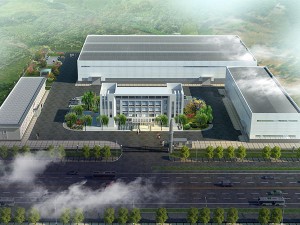
Bonan Technology Co., Ltd. is a Chinese galvanizing equipment manufacturing company with its origins as the representative of some European equipment manufacturers in China. The company is now fully engaged in the design, manufacture, installation, commissioning and training around the world. The company's headquarters is located in the Shanghai Jiading Commercial District whilst the factory is situated in Zhangjiakou City, Hebei Province in north China. The factory covers an area of 32.8 acres.
The company has designed and manufactured 280 galvanizing plants/lines in China, Holland, Australia, Turkey, Russia, India, Jordan, Saudi Arabia, South Africa, the United States, Egypt, Syria, Azerbaijan, Romania, Albania and Pakistan.
This experience is supplemented by monitoring developments in other parts of the world – to gain the most advanced techniques and latest market trends. This knowledge has resulted in technologies that result in lower zinc consumption, lower energy consumption, as well as excellent quality.
Our Business: Zinc Plating Line Solutions For Every Infrastructure Need
From heavy structural galvanizing for construction projects to precision small-parts lines for fasteners and connectors — plus comprehensive on-site technical training programs.
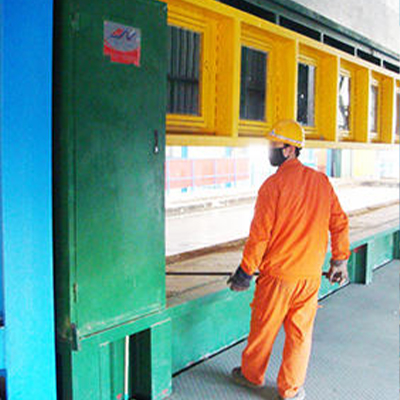
Jobbing Galvanizing Line for Infrastructure Construction Parts
Engineered for large structural components such as steel towers, tube tower parts, highway guardrails and lighting poles used in major infrastructure development projects.
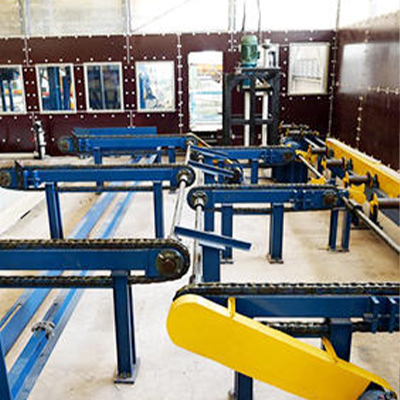
Galvanizing Lines for Infrastructure Steel Tubes
High-throughput pipe galvanizing lines suitable for 1/2" to 8" steel tubes used in water supply, gas distribution, and construction scaffolding infrastructure.
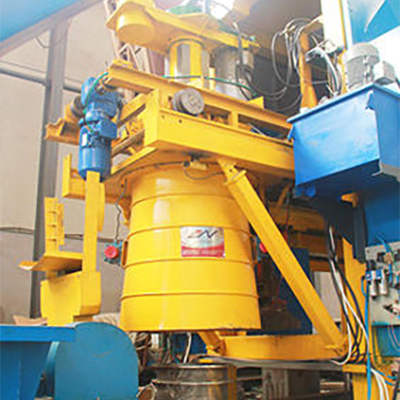
Galvanizing Lines for Infrastructure Small Parts
Automated centrifuge-based lines designed for high-volume processing of bolts, nuts, washers, and other fastener components essential to structural assembly in infrastructure projects.
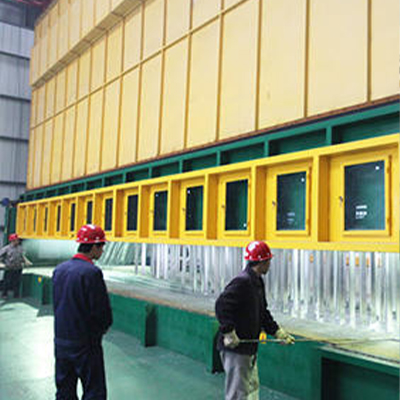
Technical Training for Zinc Plating Line Operations
Comprehensive on-site galvanizing technique training programs delivered at the customer's facility — equipping operators, technicians, and plant managers with the skills to maximize line performance and product quality.
From Design to Installation — We're Responsible For Your Success
Bonan Technology provides end-to-end zinc plating line solutions for infrastructure developers, galvanizing contractors, and steel processing facilities worldwide. Our team handles everything from initial process design and equipment manufacturing to on-site installation, commissioning, and long-term technical support.
Contact Us NowComplete Equipment Range: Zinc Plating Line Components For Infrastructure
Every component in our zinc plating line portfolio is engineered to work seamlessly as an integrated system — maximizing coating quality, production efficiency, and environmental compliance for infrastructure galvanizing operations.